
Technology
Rosboxar: Revolutionizing the Way We Think About Solutions


In today’s fast paced world, finding innovative solutions has become a cornerstone for success. Rosboxar is leading the charge by revolutionizing the way we think about solutions, providing a comprehensive platform that combines cutting edge technology with practical strategies. Unlike traditional approaches that often focus on short term fixes, Rosboxar emphasizes sustainable, scalable, and impactful solutions.
Rosboxar’s approach is rooted in deep research and extensive industry experience. The platform caters to businesses, entrepreneurs, and individuals seeking to optimize their operations and achieve long-term results. By reimagining problem-solving, Rosboxar transforms the way solutions are conceived, implemented, and measured.
The Core Philosophy Behind Rosboxar
At its core, Rosboxar is not just about offering solutions it’s about redefining the concept of solutions themselves. Traditional models often rely on rigid frameworks that fail to adapt to evolving challenges. Rosboxar, however, leverages a flexible, dynamic approach that prioritizes adaptability, creativity, and efficiency.
The philosophy emphasizes three main pillars:
-
Innovation: Constantly evolving strategies that anticipate future challenges.
-
Integration: Seamlessly combining technology, processes, and human expertise.
-
Impact: Solutions designed for measurable, long-term outcomes.
This philosophy positions Rosboxar as a transformative platform, enabling users to approach challenges with confidence and clarity.
Key Features That Make Rosboxar Stand Out
Several features distinguish Rosboxar from conventional solution platforms. These features not only enhance efficiency but also redefine user experience.
Intuitive Interface for Seamless Use
Rosboxar offers an intuitive interface that allows users to navigate complex solutions effortlessly. With a focus on user-centric design, the platform ensures that even individuals without technical expertise can maximize its potential.
AI-Powered Analytics for Smart Decision-Making
One of the standout features of Rosboxar is its AI-driven analytics. By analyzing data patterns and trends, the platform provides actionable insights that empower users to make informed decisions.
Collaborative Tools for Team Integration
In modern work environments, collaboration is key. Rosboxar offers tools that allow teams to work together efficiently, share insights, and coordinate strategies in real-time.
Customizable Solutions for Diverse Needs
No two challenges are identical, which is why Rosboxar emphasizes customizable solutions. Users can tailor the platform’s tools to meet specific business objectives, industry requirements, or personal goals.
Rosboxar’s Impact Across Industries
The versatility of Rosboxar allows it to serve a wide range of industries. Below is a table highlighting its applications:
| Industry | Application | Key Benefits |
|---|---|---|
| Technology | Software development & process optimization | Faster delivery, efficient workflows |
| Healthcare | Patient management & resource planning | Improved patient outcomes, cost reduction |
| Education | Curriculum design & performance tracking | Enhanced learning experiences |
| Finance | Risk analysis & portfolio management | Data-driven decisions, reduced errors |
| Manufacturing | Production planning & supply chain analytics | Increased efficiency, reduced waste |
By catering to diverse sectors, Rosboxar demonstrates its adaptability and the universal relevance of its solution-centric philosophy.
How Rosboxar Redefines Problem-Solving
Unlike conventional platforms, Rosboxar doesn’t just fix problems—it redefines the problem-solving process. By combining strategic planning, innovative technology, and data-driven insights, Rosboxar ensures solutions are effective and sustainable.
Proactive Approach Instead of Reactive Fixes
Traditional solutions often react to problems after they occur. Rosboxar takes a proactive approach, anticipating challenges and creating preventive measures. This forward-thinking mindset reduces risks and enhances operational stability.
Integration of Technology and Human Expertise
While AI and automation play a significant role, Rosboxar recognizes the irreplaceable value of human judgment. By integrating human expertise with advanced technology, the platform creates solutions that are not only efficient but also intuitive and ethical.
Continuous Improvement and Scalability
Rosboxar is designed for continuous improvement. Users can monitor outcomes, analyze effectiveness, and adjust strategies as needed. Its scalable design ensures that solutions remain effective even as challenges evolve.
User Testimonials and Success Stories
Many businesses and individuals have benefited from Rosboxar’s revolutionary approach. For instance, a tech startup reported a 40% increase in operational efficiency after integrating Rosboxar’s AI-powered tools. Similarly, an educational institution improved student performance tracking, leading to more personalized learning strategies.
These testimonials highlight the platform’s versatility and transformative potential. The combination of technology, strategy, and practical insights allows users to achieve measurable results across different scenarios.
The Science Behind Rosboxar
Rosboxar is grounded in rigorous scientific principles. Its development team employs advanced algorithms, predictive modeling, and behavioral analytics to ensure the platform’s solutions are precise and impactful.
Data-Driven Decision-Making
One of Rosboxar’s key strengths lies in its reliance on data-driven insights. The platform collects and analyzes vast amounts of information, allowing users to base their decisions on empirical evidence rather than intuition alone.
Behavioral and Psychological Insights
Understanding human behavior is crucial in effective problem-solving. Rosboxar incorporates psychological principles to design solutions that align with human tendencies, increasing the likelihood of adoption and success.
Continuous Learning Algorithms
Rosboxar’s AI constantly learns from user interactions and outcomes. This continuous learning ensures that the platform becomes smarter over time, offering increasingly refined solutions tailored to specific needs.
Advantages of Implementing Rosboxar
Using Rosboxar offers numerous advantages that set it apart from other platforms.
| Advantage | Description |
|---|---|
| Enhanced Efficiency | Automates routine tasks, allowing teams to focus on strategic priorities |
| Cost-Effective Solutions | Reduces waste and optimizes resources for maximum ROI |
| Increased Collaboration | Facilitates seamless communication and teamwork across departments |
| Real-Time Analytics | Provides instant insights for agile decision-making |
| Scalable Architecture | Supports growth without compromising performance or solution quality |
These advantages collectively enhance productivity, profitability, and overall operational excellence.
Future Innovations with Rosboxar
Rosboxar is not content with its current achievements. The platform continually explores new technologies, such as machine learning enhancements, blockchain integration, and advanced predictive analytics. These innovations promise to expand the scope of solutions and further solidify Rosboxar’s position as an industry leader.
Emerging Technologies
By embracing emerging technologies, Rosboxar ensures that its solutions remain relevant and cutting-edge. This proactive approach allows users to stay ahead of competitors and anticipate market shifts.
Global Expansion
Rosboxar’s philosophy of universal applicability positions it for global adoption. Businesses and individuals worldwide can benefit from its transformative problem-solving approach, irrespective of industry or geography.
Sustainable and Ethical Practices
Future innovations at also focus on sustainability and ethics. The platform prioritizes environmentally friendly processes and ensures solutions respect privacy, security, and social responsibility.
How to Get Started with Rosboxar
Getting started with Rosboxar is straightforward. Users can sign up on the official platform, select their industry or focus area, and explore tailored solutions. The platform offers guided tutorials, expert consultations, and 24/7 support to ensure seamless onboarding.
Step-by-Step Onboarding
-
Sign Up – Create an account on the Rosboxar platform.
-
Define Goals – Input your objectives, challenges, and desired outcomes.
-
Customize Solutions – Tailor the platform’s tools to your specific needs.
-
Implement Strategies – Apply the recommended solutions in your operations.
-
Monitor and Adjust – Track outcomes and optimize for continuous improvement.
This structured onboarding ensures that users can quickly realize the full potential of Rosboxar.
Integrating Rosboxar Into Your Daily Workflow
For maximum impact, Rosboxar should be integrated into daily operations. By doing so, businesses can continuously leverage insights, optimize workflows, and maintain a competitive edge.
Task Automation
Rosboxar’s automation tools streamline repetitive tasks, freeing up time for strategic initiatives.
Performance Tracking
The platform’s analytics allow for continuous monitoring of key performance indicators (KPIs), ensuring accountability and measurable progress.
Decision Support
By providing real-time insights and predictive modeling, Rosboxar serves as a valuable decision-support system for executives and teams alike. By embracing this revolutionary platform, users are not only solving problems are redefining what it means to find effective, sustainable, and impactful solutions.
Conclusion
Rosboxar is more than just a platform it’s a movement that is revolutionizing the way we think about solutions. By combining innovative technology, data-driven insights, and practical expertise, empowers users to achieve lasting results.
Whether you are a business aiming to enhance operational efficiency or an individual seeking smarter approaches to challenges, offers the tools, strategies, and guidance needed to succeed. The future of problem solving is here, and it’s powered by Rosboxar.

In the fast-paced world of mobile apps, staying connected with friends and sharing moments has never been easier than through platforms like Fesbuka. Yet, when the app suddenly fails to load or freezes right after opening, users often feel frustrated and unsure of the next move. These disruptions can interrupt your scroll sessions, delay photo uploads, or even affect private messages, turning a simple social experience into a hassle. Understanding the reasons behind such issues and following targeted solutions can restore smooth operation within minutes. This comprehensive guide explores every aspect of Fesbuka functionality, common pitfalls, and proven recovery techniques so you regain control quickly and confidently. Whether you face intermittent freezes, full crashes, or loading delays, the strategies outlined here address the root causes while keeping your device optimized for peak performance.
Understanding Why Fesbuka Experiences Technical Difficulties
Fesbuka, much like other social platforms, relies on complex backend servers that must communicate seamlessly with millions of devices worldwide. When these connections falter due to high traffic spikes during peak hours, temporary server overloads frequently cause the application to become unresponsive or crash immediately upon launch. Network instability on your end compounds the problem, as unstable Wi-Fi signals or weak cellular data cannot support the data-intensive features such as real-time feeds and image processing. Over time, even minor hardware limitations on older devices can lead to performance bottlenecks that manifest as sudden freezes or error pop-ups.
The impact of these issues extends beyond mere inconvenience, as repeated crashes can erode user trust and prompt switches to alternative platforms. Developers continuously monitor system logs to identify patterns, yet individual user environments vary widely, making personalized troubleshooting essential. By examining your specific setup, including device age, operating system version, and network conditions, you gain insights that lead directly to effective resolutions.
Checking Your Device and Software Compatibility with Fesbuka
Ensuring your device meets the minimum requirements prevents compatibility conflicts that trigger crashes. Older models with limited processing power struggle when Fesbuka demands high memory for rendering complex interfaces and handling multimedia content. Updating to the latest operating system version often resolves known bugs and optimizes resource allocation, restoring smooth performance without additional modifications. Manufacturers release patches regularly to address security vulnerabilities and improve app integration, so verifying compatibility through official channels keeps your setup aligned with Fesbuka’s current standards.
Regular software maintenance plays a crucial role in sustaining optimal Fesbuka functionality. Automatic updates delivered through system settings can silently address performance issues that manual intervention might miss. Users should also clear temporary files and verify the presence of necessary system components to avoid conflicts. When compatibility checks reveal minor mismatches, simple adjustments such as adjusting display settings or disabling unnecessary background processes can yield immediate improvements.
Clearing Cached Data to Resolve Persistent Crashes
Corrupted temporary files stored within the app’s storage can accumulate over weeks of use and interfere with loading processes, leading to unexpected closures. The simplest way to eliminate this interference involves accessing your device’s settings menu and selecting the option to clear cache specifically for the Fesbuka application. This action removes outdated data without deleting saved credentials or conversation history, allowing the app to rebuild its operational files from scratch.
Beyond basic cache clearing, some devices offer advanced options to reset app-specific preferences entirely. This deeper reset removes all custom settings while preserving your account information, providing a fresh start for the application. After clearing cache, restarting the device ensures that the changes take full effect across memory and storage. Many users report complete resolution of crashes following this sequence, highlighting its reliability as a quick diagnostic tool.
Updating Your Fesbuka App to the Latest Version
Outdated versions of Fesbuka frequently contain unresolved bugs that cause crashes, especially when interacting with new features or high-traffic content. Developers release updates regularly to patch security flaws, improve compatibility with recent operating systems, and enhance overall stability. To locate the latest version, simply visit your device’s app store and search for Fesbuka, then tap the update button if a newer release is available. Downloading and installing these updates often resolves crashes reported by large user communities and restores full functionality almost instantly. Always ensure the update process completes without interruptions to avoid partial installations that might introduce new problems.
After updating, testing the app in various scenarios such as scrolling feeds or sending messages confirms that the changes have taken effect properly. Users should also check for system-wide updates during the same period, as these can further support Fesbuka’s requirements. Keeping the application current protects against future technical issues and ensures access to enhanced privacy controls and performance optimizations. This proactive maintenance habit not only prevents crashes but also keeps your social interactions protected and enjoyable, reinforcing the value of staying updated as a core strategy for reliable app performance.
Restarting Your Device for Immediate Crash Recovery
A simple device restart clears temporary memory conflicts that often lead to sudden Fesbuka crashes. Powering off and then turning the device back on resets all running processes, allowing the app to initialize without inherited errors. This quick action works particularly well for users experiencing freezes during heavy scrolling sessions or after receiving numerous notifications. Restarting takes less than a minute and serves as an effective first step before exploring more advanced solutions. Many users discover that a single restart eliminates persistent issues without any further intervention.
Following the restart, monitor the app’s behavior closely for the next few minutes to confirm stability. If crashes return, consider combining the restart with other checks such as verifying network connections. This sequence of power cycle and reconnection often resolves network-related glitches that compound app problems. By incorporating device restarts into your regular troubleshooting routine, you maintain consistent access to Fesbuka and minimize the frustration of repeated interruptions, ensuring your social platform remains a reliable part of daily life.
Adjusting App Permissions and Background Activity Settings
Inadequate permission grants can restrict Fesbuka’s ability to access necessary system resources, causing crashes when the app attempts to load critical data. Reviewing and updating these permissions through your device settings allows the application to operate with full functionality. For example, granting storage and camera access prevents errors during photo uploads or live video features. Adjusting background activity settings similarly ensures the app can run efficiently even when the screen is locked, avoiding sudden closures triggered by limited resources.
Users should also examine battery optimization settings to prevent the app from being throttled by power-saving modes. Allowing unrestricted background activity for Fesbuka enables smoother performance across all usage scenarios. Making these permission and activity adjustments creates a balanced environment where the app can access everything it needs without interference. This targeted optimization not only resolves crashes but also enhances overall device responsiveness, turning potential limitations into seamless experiences.
Contacting Fesbuka Support When Issues Persist
If basic steps fail to restore Fesbuka functionality after thorough troubleshooting, reaching out to official support provides expert guidance tailored to your specific situation. The support team can access diagnostic logs and offer personalized solutions that address rare or device-specific problems. Users should prepare details about their device model, operating system version, and exact crash behavior before initiating contact. This collaborative approach often leads to rapid resolutions and prevents unnecessary frustration during extended outages.
Support representatives may also recommend alternative workarounds or temporary features while waiting for broader fixes. Engaging with support demonstrates your commitment to maintaining access and ensures you receive the most current advice available. By leveraging this professional assistance when needed, users maintain control over their Fesbuka experience and quickly return to enjoying the platform’s full capabilities without further delays.
Conclusion
In conclusion, addressing Fesbuka crashes requires a systematic approach that begins with understanding technical requirements and device compatibility. By consistently checking for updates, clearing caches, and adjusting permissions, users can prevent most issues before they disrupt daily use. These proactive habits create a stable environment where the app performs reliably, allowing seamless social connections and content sharing without interruption. The strategies outlined empower you to regain control quickly and maintain long-term functionality across various platforms and devices.
Moreover, incorporating regular device restarts and monitoring support resources ensures ongoing optimization even as Fesbuka evolves with new features and updates. Embracing these practices not only resolves current problems but also builds resilience against future challenges, transforming potential frustrations into effortless experiences. With consistent attention to these details, Fesbuka becomes an integral part of your daily routine, enhancing connectivity and enjoyment for everyone involved.

In a world filled with noise and distractions, the quest for truth often feels like searching for a needle in a haystack. Enter The songoftruth org a beacon of hope that aims to illuminate the path toward genuine understanding and awareness. This organization is on a mission to empower individuals through knowledge, fostering connections that inspire change. As we delve deeper into what makes The songoftruth org unique, you’ll uncover its rich history, visionary goals, and the impactful work it does every day. Join us on this journey as we explore how this remarkable organization is reshaping perspectives and encouraging meaningful dialogue in our communities.
What is The songoftruth org?
The songoftruth org is a dynamic platform dedicated to promoting awareness and understanding of critical social issues. It serves as a beacon for those seeking truth in today’s complex world.
At its core, the organization aims to educate and empower individuals through engaging content and community-driven initiatives. The focus spans various topics, including human rights, environmental concerns, and mental health awareness.
By harnessing the power of storytelling, the songoftruth org creates an emotional connection with its audience. This approach fosters empathy and encourages action among supporters who resonate with their mission.
With a commitment to transparency, the organization collaborates with like-minded groups to amplify its impact. Through workshops, campaigns, and online resources, it seeks not just to inform but also inspire change at every level.
The History and Founding of the Organization
The songoftruth org was founded in response to a growing need for transparency and accountability. A group of passionate individuals came together, driven by the belief that everyone deserves access to truth.
In its early days, the organization faced many challenges. Funding was limited, and raising awareness proved difficult. Yet, determination fueled their efforts to create an impactful platform.
Through grassroots initiatives and community outreach, they gained traction. Supporters rallied around the cause, recognizing the importance of honesty in communication.
As word spread about their mission, partnerships began forming with like-minded organizations. This collaboration enhanced their ability to reach diverse audiences and amplify their message.
Today, The songoftruth org stands as a beacon for those seeking clarity amid misinformation. Its foundation is built on principles that continue to guide its work: integrity, education, and empowerment.
The Mission and Vision of Songoftruth Org
The mission of The songoftruth org is to empower individuals through storytelling. By harnessing the power of personal narratives, they aim to foster understanding and promote social change.
Their vision extends beyond mere awareness. They aspire for a world where every voice matters, and every story contributes to collective healing.
Through various initiatives, they seek to break down barriers. This organization believes that sharing experiences can bridge gaps between communities, leading to a more inclusive society.
They prioritize authenticity in all their endeavors. Encouraging participants to share their truths strengthens connections among diverse groups while promoting empathy.
At the heart of their mission lies a commitment to transparency and integrity. They strive for open dialogues that challenge misconceptions and inspire action toward justice and equality.
How the Organization Works to Achieve Its Goals
The songoftruth org employs a multi-faceted approach to achieve its goals. It focuses on education, awareness, and community engagement. By hosting workshops and seminars, the organization empowers individuals with knowledge about their rights.
Collaboration is key. The songoftruth org partners with local communities and other non-profits to amplify its reach. These alliances create a network of support that enhances their initiatives.
Utilizing digital platforms has also proven effective. Social media campaigns raise awareness and invite participation from all corners of society. Engaging content helps draw in supporters who share the vision.
Moreover, research plays a crucial role in shaping strategies. By understanding societal needs through data analysis, the organization can tailor programs for maximum impact. This evidence-based approach ensures resources are used wisely.
Volunteer involvement brings fresh perspectives into projects too. Their passion fuels innovative solutions that align with the organization’s mission.
Impact and Success Stories of Songoftruth Org
The songoftruth org has made significant strides in transforming lives across various communities. Through educational programs and advocacy initiatives, the organization empowers individuals to voice their truths.
One inspiring story comes from a young woman who overcame adversity with the support of songoftruth. She discovered her passion for storytelling and now shares her journey through art. Her work resonates deeply, inspiring others to embrace their narratives.
Another notable success is a community project that provided resources to underserved neighborhoods. By facilitating workshops and access to mental health services, many have found healing and hope where there was once despair.
These stories illustrate the profound impact of songoftruth’s efforts. They show how one organization’s mission can foster resilience and change lives for the better in tangible ways. The collective power of these individual journeys demonstrates that truth holds immense potential for transformation.
Ways to Get Involved with Songoftruth Org
Getting involved with the songoftruth org is simple and fulfilling. Whether you have a few hours or ongoing commitment, your contribution matters.
Start by visiting their website to learn about current initiatives. You can participate in online campaigns that spread awareness about critical issues. Sharing their content on social media amplifies their message.
If you’re looking for something more hands-on, consider volunteering at local events or workshops. These opportunities allow you to connect directly with the community and make a tangible impact.
Donations are another vital way to support the organization’s work. Every dollar helps fund programs aimed at promoting truth and justice in various communities.
Additionally, consider becoming an advocate for change within your circle. Engage friends and family in discussions around topics important to the songoftruth org as it fosters broader understanding and involvement across different platforms.
Challenges Faced by the Organization and Future Plans
The songoftruth org encounters several challenges in its journey. One major hurdle is securing consistent funding. Reliance on donations can make long-term planning difficult. Ensuring financial stability is crucial for sustaining their impactful programs.
Another challenge lies in raising awareness about their mission. Many potential supporters may not know the organization exists or understand its purpose. Effective outreach strategies are needed to bridge this gap and garner broader community support.
Looking ahead, the organization aims to expand its reach through partnerships with other nonprofits and businesses. Collaborations could amplify their message and enhance resource sharing.
They also plan to leverage technology more effectively. By utilizing social media and online platforms, they hope to create engaging content that resonates with a wider audience.
These steps could pave the way for a stronger future as The songoftruth org continues its vital work in promoting truth and justice.
The Importance of Supporting Organizations like Songoftruth
Supporting organizations like the songoftruth org is vital in fostering a culture of integrity and accountability. These initiatives shine a light on critical social issues, empowering communities through education and awareness.
When individuals contribute to such causes, they help amplify voices that often go unheard. This support not only uplifts those directly involved but also inspires broader societal change.
Moreover, these organizations play an essential role in providing resources and tools that enable people to advocate for themselves. They build networks of solidarity that strengthen community ties.
By engaging with the mission of the songoftruth org, supporters participate in creating a more informed society. Every effort counts towards making significant impacts where it matters most.
Conclusion
The songoftruth org stands as a beacon of hope and inspiration. Its commitment to uncovering the truth, fostering dialogue, and empowering individuals is commendable. As we’ve explored its mission and vision, it’s clear that this organization addresses vital issues facing our communities and society at large.
Through innovative programs and outreach efforts, The songoftruth org continues to make strides in creating a more informed world. The stories of impact reflect the resilience of those involved and highlight the importance of collective action.
Supporting organizations like The songoftruth org is crucial for driving change. Whether through volunteering, donations, or simply spreading awareness about their work, every contribution counts toward building a better future.
As you consider your role in supporting such initiatives, remember that even small actions can lead to significant outcomes. Engaging with organizations committed to truth-telling fosters growth within ourselves and our communities alike. Embracing this journey together enables us all to strive for a brighter tomorrow where truth prevails over misinformation.
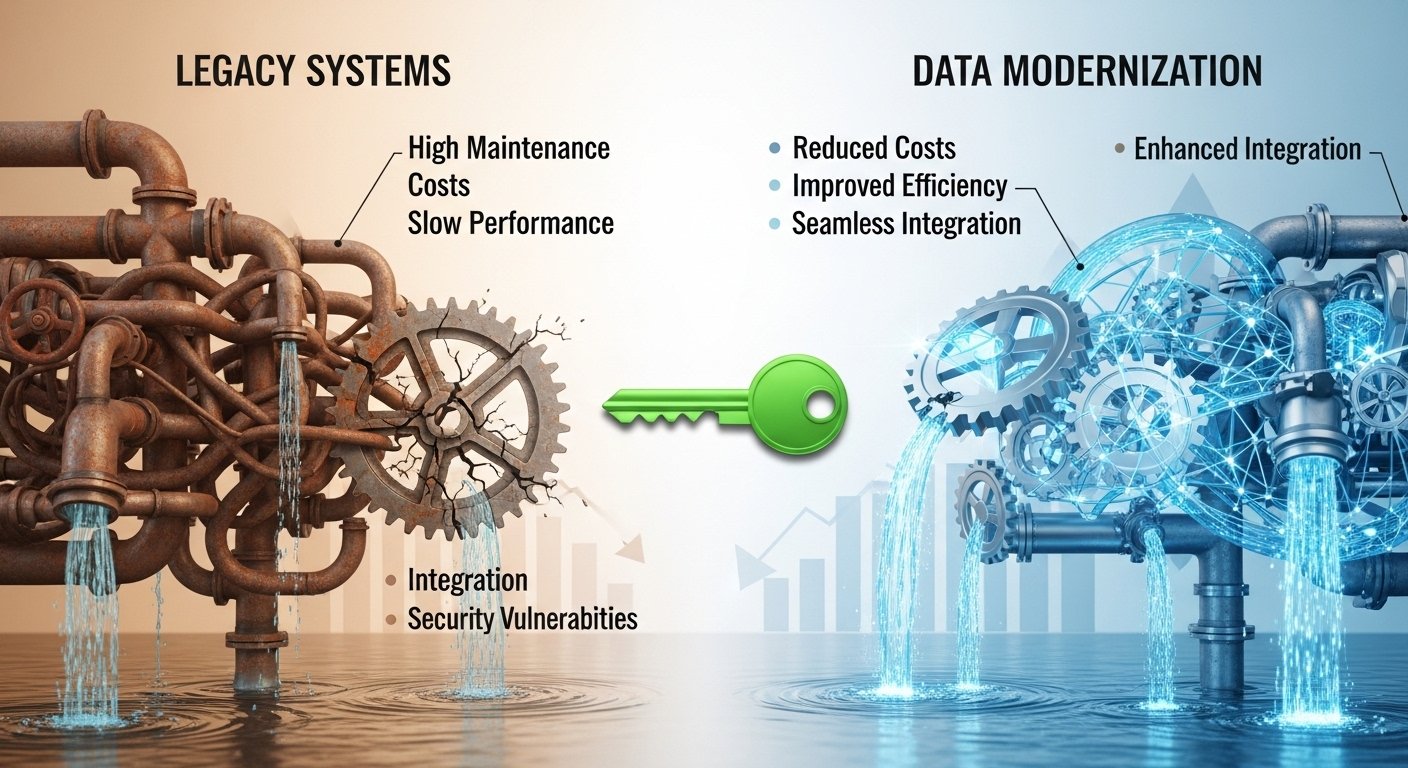
For decades, organizations have relied on legacy systems to run critical business operations. From on-premise databases to outdated ERP platforms, these systems once served as the backbone of digital operations. However, in today’s fast-paced and data-driven business environment, legacy technology is proving to be more of a roadblock than a driver of growth.
These systems are often rigid, costly to maintain, and unable to integrate with modern cloud technologies or advanced analytics tools. As businesses scale, they often struggle with inefficiencies, missed opportunities, and competitive disadvantages.
The solution lies in data modernization services, which help organizations transition from outdated systems to agile, cloud-based, and AI-powered platforms. By modernizing data infrastructure, companies can unlock real-time insights, improve efficiency, and accelerate innovation.
The Hidden Costs of Legacy Systems
1. High Maintenance and Operating Costs
Maintaining legacy systems drains IT budgets. Hardware upgrades, specialized skill sets, and licensing costs accumulate quickly. Organizations often spend 60–80% of their IT budget just “keeping the lights on,” leaving little room for innovation.
2. Lack of Agility
Legacy platforms are rigid and difficult to integrate with newer applications. As customer expectations evolve, businesses cannot respond quickly because their systems aren’t designed for rapid change.
3. Data Silos and Fragmentation
Legacy systems often store data in isolated silos. Marketing, sales, finance, and operations teams may all have separate datasets, resulting in inconsistencies and hindering collaboration. Without a unified data strategy, organizations struggle to gain a comprehensive understanding of their performance.
4. Security and Compliance Risks
Outdated technology is more vulnerable to cyber threats. Additionally, legacy systems may not meet modern compliance requirements, such as GDPR or HIPAA, putting businesses at risk of fines and reputational damage.
5. Poor Customer Experience
Slow, outdated systems translate to poor customer experiences. Delays in processing, lack of personalization, and inconsistent data can lead to lost sales and weakened brand loyalty.
These challenges highlight why companies should view data modernization services as a strategic investment rather than an IT expense.
What Are Data Modernization Services?
Data modernization services refer to the processes, tools, and strategies that help organizations upgrade their data infrastructure. You can follow the best practices for future-ready data management which involves moving from traditional, legacy environments to modern, scalable solutions that support cloud computing, advanced analytics, AI, and real-time decision-making.
Key aspects of data modernization include:
- Cloud Migration – Moving databases and applications from on-premise servers to secure, scalable cloud environments.
- Data Integration – Breaking down silos by connecting disparate systems into a unified data platform.
- Advanced Analytics Enablement – Leveraging AI, machine learning, and predictive analytics for smarter business insights.
- Data Governance and Compliance – Ensuring that data meets modern security, privacy, and regulatory requirements.
The goal is straightforward: to make data more accessible, accurate, and actionable, enabling organizations to thrive in the digital age.
How Data Modernization Solves Legacy Challenges
1. Reduces Costs and Improves Efficiency
Migrating to cloud-based platforms eliminates the need for expensive hardware maintenance and reduces reliance on niche skill sets. Data modernization services streamline IT operations, allowing budgets to be redirected toward innovation.
2. Enables Real-Time Decision-Making
Modern platforms process large volumes of data in real time. Instead of waiting days or weeks for reports, decision-makers get instant access to insights that drive competitive advantage.
3. Supports Innovation and Scalability
Legacy systems struggle to support emerging technologies like AI, IoT, and big data analytics. With modernized infrastructure, businesses can quickly adopt new tools and scale operations seamlessly.
4. Enhances Security and Compliance
Modern platforms come with built-in encryption, access controls, and compliance frameworks. With data modernization services, businesses strengthen their defenses against cyber threats while meeting evolving regulatory standards.
5. Improves Customer Experience
Modern systems enable personalized, consistent, and faster customer interactions. Unified data provides a 360-degree view of the customer journey, enabling organizations to deliver tailored experiences that foster loyalty.
Key Components of Successful Data Modernization
- Assessment of Current Systems
Start with a comprehensive audit of existing infrastructure to identify bottlenecks, inefficiencies, and security risks. - Clear Roadmap
Define business goals and align modernization efforts with long-term growth strategies. - Phased Migration
Transition systems gradually to minimize disruption. Many organizations begin with high-impact areas such as customer data or financial reporting. - Data Quality and Governance
Establish policies for consistent, accurate, and compliant data management. - Change Management and Training
Equip teams with the skills to adapt to new systems, ensuring smooth adoption across departments.
The Business Impact of Data Modernization
Organizations that invest in data modernization services realize significant business benefits:
- Faster Time-to-Market – Modern infrastructure enables quicker rollout of new products and services.
- Informed Decision-Making – Leaders gain confidence with accurate, real-time data.
- Increased Agility – Businesses adapt faster to market changes and customer demands.
- Stronger Competitive Advantage – Data becomes a strategic asset that drives innovation.
Overcoming Common Concerns
Some businesses hesitate to modernize due to perceived risks. Common concerns include downtime, migration complexity, and costs. However, with the right data modernization services partner, these risks are mitigated through:
- Automated migration tools.
- Robust testing environments.
- Scalable pricing models that align with business growth.
In reality, the cost of not modernizing—lost opportunities, compliance risks, and inefficiencies—is far greater.
Getting Started with Data Modernization
Organizations ready to modernize should begin by asking key questions:
- What business challenges are legacy systems creating today?
- Which areas of data management deliver the most value if modernized first?
- How will modernization align with overall digital transformation goals?
From there, partnering with a trusted provider of data modernization services ensures a structured, efficient, and secure transition.
Conclusion
Legacy systems may have powered businesses for decades, but in today’s fast-paced digital economy, they hinder organizations from reaching their full potential. The inability to scale, integrate, and innovate places companies at risk of falling behind competitors.
By investing in data modernization services, businesses can overcome these challenges and unlock new levels of agility, security, and growth. From reducing costs and improving efficiency to delivering superior customer experiences, data modernization is the bridge between legacy limitations and future success.
Ultimately, the choice is clear: modernize your data or risk being left behind.
-

 Health5 months ago
Nerovet ai Dentistry: Transforming Diagnosis and Treatment
-
 Digital Marketing6 months ago
Facwe: The Impact on Modern Digital Communication
-

 Social Media6 months ago
Ironmartonline Reviews: What Real Customers Are Saying
-

 Technology5 months ago
Contact details reality-movement.org dor: How to Reach Out
-

 business5 months ago
Adswynk com: Revolutionizing Digital Advertising for Small Businesses
-

 Technology5 months ago
Voozon: What Sets It Apart in the Social Media Landscape?
-
 Celebrity6 months ago
Erny Huelke: How His Vision Continues to Inspire Today
-
 Fashion7 months ago
Fapell: Game Changer for Creators and Businesses