
Technology
Contact details reality-movement.org dor: How to Reach Out


In the digital era, connecting with organizations has become more streamlined than ever, yet knowing precisely how to get in touch can sometimes be confusing. For those seeking to interact with or learn more about specific initiatives, the Contact details reality-movement.org dor serve as an essential gateway. Whether you are a supporter, researcher, or someone looking to collaborate, understanding how to reach out efficiently is vital. This article will explore the best practices, communication channels, and additional resources for effectively contacting reality-movement.org, ensuring that your engagement is both productive and seamless.
Understanding the Importance of Contact details reality-movement.org dor
Establishing a clear line of communication with organizations like reality-movement.org can make a significant difference in accessing information and participating in their initiatives. The Contact details reality-movement.org dor provide multiple avenues to reach the organization, from official email correspondence to social media engagement. Having this information readily available not only improves responsiveness but also demonstrates professionalism and intentionality in your approach.
The table below outlines the main communication channels and their primary uses for effective outreach:
| Communication Channel | Best Use Case | Response Expectation |
|---|---|---|
| Official Email | Formal inquiries, collaboration proposals | 24-48 hours |
| Contact Form on Website | General questions, feedback | 48-72 hours |
| Social Media | Quick updates, public engagement | Within a day |
| Phone Support | Urgent matters, event coordination | Immediate during office hours |
By referring to this table, anyone seeking the Contact details reality-movement.org dor can decide which channel suits their purpose best.
Email Correspondence and Digital Outreach
Email remains the most reliable method for professional communication. Using the Contact details reality-movement.org dor, interested parties can send detailed inquiries, requests for collaboration, or proposals for joint projects. When reaching out, it is crucial to maintain clarity, provide context, and include any supporting documentation to facilitate a swift response.
In addition to email, many organizations maintain an internal digital portal for inquiries. This allows users to track their correspondence, ensuring that messages are received and processed efficiently. Incorporating subject lines with clear intent, such as “Collaboration Proposal” or “Research Inquiry,” helps the organization categorize and prioritize incoming messages.
The following table summarizes best practices for email communication using Contact details reality-movement.org dor:
| Aspect | Recommendation |
|---|---|
| Subject Line | Clear, concise, and relevant |
| Message Body | Structured with context and objective |
| Attachments | Include only essential documents |
| Follow-Up | Wait 3-5 business days before polite follow-up |
Social Media Channels for Real-Time Engagement
Modern organizations like reality-movement.org recognize the importance of social media for outreach. Platforms such as Twitter, Facebook, and LinkedIn allow real-time interactions and can serve as a first step in connecting with the organization. While the Contact details reality-movement.org dor primarily focus on official channels, social media handles often provide updates, event announcements, and community engagement opportunities.
Engaging via social media should be respectful, concise, and relevant to the organization’s mission. Public inquiries are often addressed faster, but for sensitive or detailed questions, combining social media outreach with official email correspondence is recommended.
The table below highlights the social media platforms and their utility:
| Platform | Type of Engagement | Expected Response Time |
|---|---|---|
| Quick questions, updates | Within a day | |
| Community discussions | 1-2 days | |
| Professional networking | 2-3 days |
Phone and Direct Contact Options
For urgent matters, having access to a phone line or direct contact option is indispensable. Using the Contact details reality-movement.org dor, individuals can directly communicate with administrative staff, event coordinators, or project managers. This method is particularly effective for time-sensitive inquiries or for clarifying complex issues that require immediate discussion.
It is recommended to prepare a concise script before calling, outlining the purpose of the call and any relevant information. Maintaining a professional tone ensures that conversations remain productive and respectful.
| Method | Advantages | Best Practices |
|---|---|---|
| Phone | Immediate interaction, clarification | Be concise and professional |
| Video Call | Detailed discussions, presentations | Schedule in advance |
| In-Person Meetings | Critical negotiations, collaborative planning | Confirm appointment and agenda |
Ensuring Successful Communication
Reaching out to reality-movement.org is more than just sending a message; it is about creating meaningful interactions. Utilizing the Contact details reality-movement.org dor effectively requires understanding the organization’s communication culture and preferred methods. Crafting messages that are clear, respectful, and well-structured increases the likelihood of receiving a timely and helpful response.
Furthermore, keeping records of your communications can provide context for future interactions and help track progress. This proactive approach reflects seriousness and commitment, which can make a positive impression on the organization.
Conclusion
The Contact details reality-movement.org dor serve as the essential bridge between the organization and those who wish to engage with it. By understanding the available channels, applying best practices for communication, and maintaining a professional approach, individuals can ensure that their outreach is effective and impactful. Whether for collaboration, inquiry, or participation in initiatives, leveraging these contact methods allows for seamless and meaningful engagement.
Tables and structured communication strategies, as highlighted throughout this article, offer a practical guide to navigating the outreach process. In doing so, anyone can connect confidently with reality-movement.org, creating opportunities for dialogue, collaboration, and growth.

For decades, organizations have relied on legacy systems to run critical business operations. From on-premise databases to outdated ERP platforms, these systems once served as the backbone of digital operations. However, in today’s fast-paced and data-driven business environment, legacy technology is proving to be more of a roadblock than a driver of growth.
These systems are often rigid, costly to maintain, and unable to integrate with modern cloud technologies or advanced analytics tools. As businesses scale, they often struggle with inefficiencies, missed opportunities, and competitive disadvantages.
The solution lies in data modernization services, which help organizations transition from outdated systems to agile, cloud-based, and AI-powered platforms. By modernizing data infrastructure, companies can unlock real-time insights, improve efficiency, and accelerate innovation.
The Hidden Costs of Legacy Systems
1. High Maintenance and Operating Costs
Maintaining legacy systems drains IT budgets. Hardware upgrades, specialized skill sets, and licensing costs accumulate quickly. Organizations often spend 60–80% of their IT budget just “keeping the lights on,” leaving little room for innovation.
2. Lack of Agility
Legacy platforms are rigid and difficult to integrate with newer applications. As customer expectations evolve, businesses cannot respond quickly because their systems aren’t designed for rapid change.
3. Data Silos and Fragmentation
Legacy systems often store data in isolated silos. Marketing, sales, finance, and operations teams may all have separate datasets, resulting in inconsistencies and hindering collaboration. Without a unified data strategy, organizations struggle to gain a comprehensive understanding of their performance.
4. Security and Compliance Risks
Outdated technology is more vulnerable to cyber threats. Additionally, legacy systems may not meet modern compliance requirements, such as GDPR or HIPAA, putting businesses at risk of fines and reputational damage.
5. Poor Customer Experience
Slow, outdated systems translate to poor customer experiences. Delays in processing, lack of personalization, and inconsistent data can lead to lost sales and weakened brand loyalty.
These challenges highlight why companies should view data modernization services as a strategic investment rather than an IT expense.
What Are Data Modernization Services?
Data modernization services refer to the processes, tools, and strategies that help organizations upgrade their data infrastructure. You can follow the best practices for future-ready data management which involves moving from traditional, legacy environments to modern, scalable solutions that support cloud computing, advanced analytics, AI, and real-time decision-making.
Key aspects of data modernization include:
- Cloud Migration – Moving databases and applications from on-premise servers to secure, scalable cloud environments.
- Data Integration – Breaking down silos by connecting disparate systems into a unified data platform.
- Advanced Analytics Enablement – Leveraging AI, machine learning, and predictive analytics for smarter business insights.
- Data Governance and Compliance – Ensuring that data meets modern security, privacy, and regulatory requirements.
The goal is straightforward: to make data more accessible, accurate, and actionable, enabling organizations to thrive in the digital age.
How Data Modernization Solves Legacy Challenges
1. Reduces Costs and Improves Efficiency
Migrating to cloud-based platforms eliminates the need for expensive hardware maintenance and reduces reliance on niche skill sets. Data modernization services streamline IT operations, allowing budgets to be redirected toward innovation.
2. Enables Real-Time Decision-Making
Modern platforms process large volumes of data in real time. Instead of waiting days or weeks for reports, decision-makers get instant access to insights that drive competitive advantage.
3. Supports Innovation and Scalability
Legacy systems struggle to support emerging technologies like AI, IoT, and big data analytics. With modernized infrastructure, businesses can quickly adopt new tools and scale operations seamlessly.
4. Enhances Security and Compliance
Modern platforms come with built-in encryption, access controls, and compliance frameworks. With data modernization services, businesses strengthen their defenses against cyber threats while meeting evolving regulatory standards.
5. Improves Customer Experience
Modern systems enable personalized, consistent, and faster customer interactions. Unified data provides a 360-degree view of the customer journey, enabling organizations to deliver tailored experiences that foster loyalty.
Key Components of Successful Data Modernization
- Assessment of Current Systems
Start with a comprehensive audit of existing infrastructure to identify bottlenecks, inefficiencies, and security risks. - Clear Roadmap
Define business goals and align modernization efforts with long-term growth strategies. - Phased Migration
Transition systems gradually to minimize disruption. Many organizations begin with high-impact areas such as customer data or financial reporting. - Data Quality and Governance
Establish policies for consistent, accurate, and compliant data management. - Change Management and Training
Equip teams with the skills to adapt to new systems, ensuring smooth adoption across departments.
The Business Impact of Data Modernization
Organizations that invest in data modernization services realize significant business benefits:
- Faster Time-to-Market – Modern infrastructure enables quicker rollout of new products and services.
- Informed Decision-Making – Leaders gain confidence with accurate, real-time data.
- Increased Agility – Businesses adapt faster to market changes and customer demands.
- Stronger Competitive Advantage – Data becomes a strategic asset that drives innovation.
Overcoming Common Concerns
Some businesses hesitate to modernize due to perceived risks. Common concerns include downtime, migration complexity, and costs. However, with the right data modernization services partner, these risks are mitigated through:
- Automated migration tools.
- Robust testing environments.
- Scalable pricing models that align with business growth.
In reality, the cost of not modernizing—lost opportunities, compliance risks, and inefficiencies—is far greater.
Getting Started with Data Modernization
Organizations ready to modernize should begin by asking key questions:
- What business challenges are legacy systems creating today?
- Which areas of data management deliver the most value if modernized first?
- How will modernization align with overall digital transformation goals?
From there, partnering with a trusted provider of data modernization services ensures a structured, efficient, and secure transition.
Conclusion
Legacy systems may have powered businesses for decades, but in today’s fast-paced digital economy, they hinder organizations from reaching their full potential. The inability to scale, integrate, and innovate places companies at risk of falling behind competitors.
By investing in data modernization services, businesses can overcome these challenges and unlock new levels of agility, security, and growth. From reducing costs and improving efficiency to delivering superior customer experiences, data modernization is the bridge between legacy limitations and future success.
Ultimately, the choice is clear: modernize your data or risk being left behind.
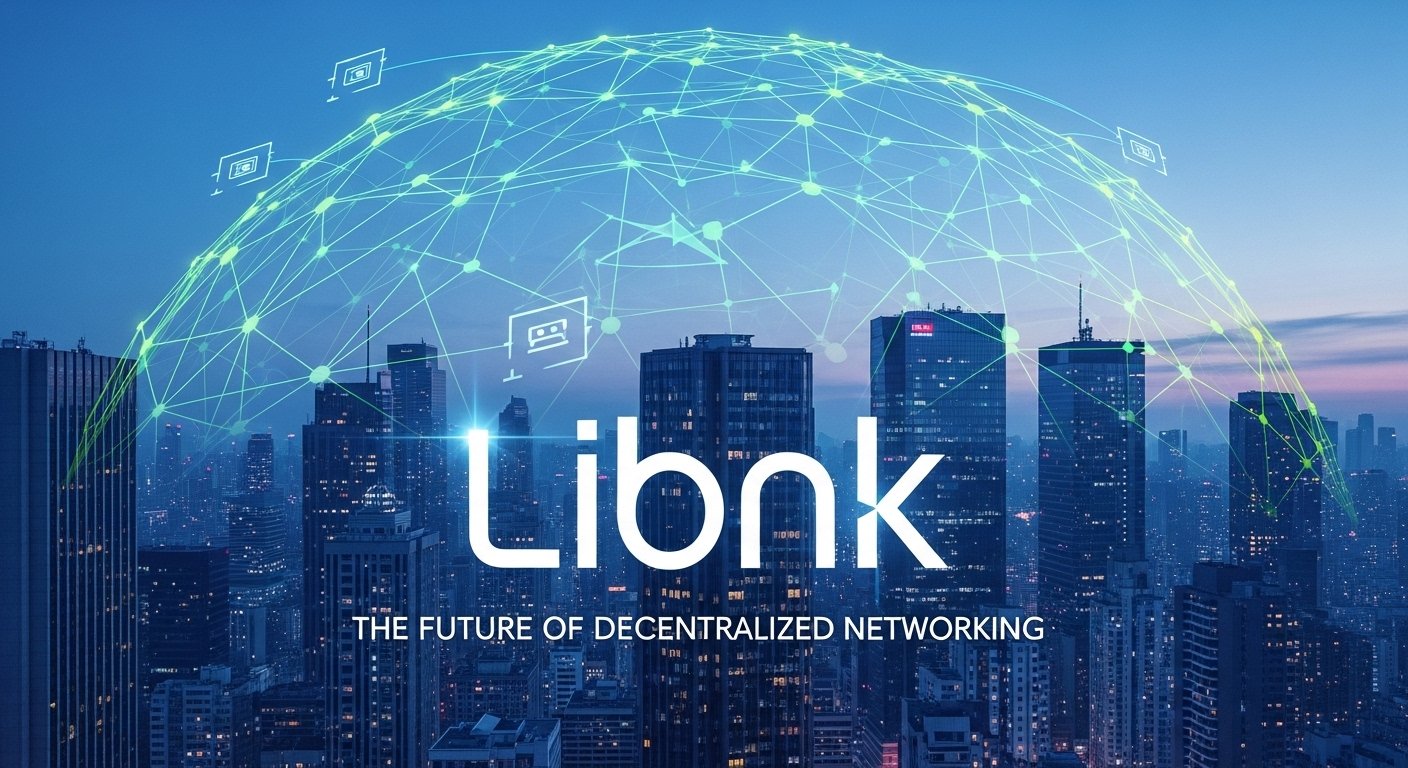
Libnk is rapidly emerging as a transformative force in the world of decentralized networking. This innovative platform is reshaping the way data is shared and connections are formed across digital landscapes. Unlike traditional centralized networks, Libnk empowers users by providing a secure, transparent, and efficient framework for communication and collaboration. By leveraging cutting-edge blockchain technology and peer-to-peer protocols, Libnk ensures that every interaction within its ecosystem is reliable and tamper-proof. As digital connectivity becomes increasingly vital, Libnk presents a future-ready solution for individuals, enterprises, and communities seeking independence from centralized control.
One of the key aspects that distinguish Libnk is its ability to eliminate single points of failure while enhancing network resilience. Decentralized networks like Libnk offer enhanced privacy, reduced latency, and greater scalability compared to conventional systems. Users can directly interact with one another without relying on intermediaries, which not only improves efficiency but also fosters trust. The platform’s architecture is designed to accommodate diverse applications, ranging from secure messaging and content sharing to complex decentralized finance operations. With Libnk, the digital ecosystem is evolving toward a more equitable, secure, and user-controlled paradigm.
The Core Technology Behind Libnk
Libnk’s core technology revolves around blockchain integration and decentralized protocols, enabling secure, transparent, and efficient data handling. Each transaction or interaction on Libnk is verified by a distributed ledger, ensuring immutability and accountability. This decentralized ledger architecture mitigates the risk of centralized data breaches and provides a verifiable record of all network activities. The platform utilizes advanced cryptographic techniques to secure communication channels and protect user information, creating an environment where privacy and trust coexist seamlessly.
Moreover, Libnk employs innovative consensus mechanisms that optimize speed and scalability without compromising security. Unlike traditional networks that rely on a central authority, Libnk leverages a network of nodes to validate and propagate information efficiently. These nodes can be operated by individual users, businesses, or organizations, ensuring a diverse and resilient network structure. By decentralizing control, Libnk minimizes the influence of monopolistic entities and promotes a more inclusive and transparent networking environment. This technological foundation positions Libnk as a forward-thinking platform capable of supporting a wide array of decentralized applications.
Decentralized Networking and User Empowerment
Decentralized networking through Libnk offers unprecedented empowerment for users by granting them control over their data, interactions, and digital presence. Traditional networks often centralize power, limiting transparency and creating dependency on intermediaries. Libnk disrupts this model by allowing users to manage their connections and assets directly, thereby increasing autonomy and accountability. This user-centric approach encourages participation, collaboration, and innovation across various sectors, from social networking to financial services.
Libnk’s decentralized framework also provides enhanced security against cyber threats. Since data is distributed across multiple nodes rather than stored in a single location, the network is less susceptible to attacks and breaches. Users retain ownership of their data, ensuring that sensitive information remains private and protected. Furthermore, this empowerment extends to the development of decentralized applications that can operate independently of centralized oversight. By giving users a stake in the network’s governance and operations, Libnk fosters a community-driven ecosystem where collaboration and innovation thrive.
Applications and Use Cases of Libnk
The applications of Libnk span numerous industries and use cases, highlighting its versatility as a decentralized networking platform. In the realm of finance, Libnk enables secure peer-to-peer transactions, decentralized lending, and transparent investment tracking. Enterprises can leverage Libnk for secure data sharing, supply chain transparency, and collaborative project management. Additionally, content creators and digital communities benefit from decentralized publishing and secure intellectual property management. This wide range of applications illustrates the potential of Libnk to redefine digital interactions across sectors.
A practical illustration of Libnk’s capabilities can be seen in its ability to facilitate cross-border communication and collaboration. Traditional centralized networks often encounter challenges with latency, censorship, and data restrictions. Libnk addresses these issues by providing a decentralized infrastructure where users can connect seamlessly without interference. Its scalability and adaptability also make it suitable for emerging technologies such as Internet of Things (IoT) networks and decentralized marketplaces. By enabling secure, efficient, and versatile interactions, Libnk empowers individuals and organizations to explore new opportunities in the digital economy.
Performance Metrics and Network Scalability
Performance and scalability are central to Libnk’s architecture, ensuring that the platform can accommodate increasing user demand without compromising efficiency. By distributing data across multiple nodes and employing optimized consensus algorithms, Libnk maintains high throughput and low latency. This design enables real-time communication and transaction processing, which is essential for both individual users and enterprise-level applications. The network’s scalability ensures that it can grow organically while sustaining performance levels, making it a future-ready solution for decentralized networking.
A detailed comparison of network performance metrics highlights Libnk’s strengths over traditional centralized platforms:
| Metric | Libnk | Centralized Networks |
|---|---|---|
| Data Privacy | High | Moderate to Low |
| Latency | Low | Moderate to High |
| Scalability | High | Moderate |
| Security | Enhanced | Variable |
| User Control | Full | Limited |
These metrics underscore Libnk’s ability to deliver a secure, efficient, and user-centric network experience, which is critical for widespread adoption and long-term sustainability.
Challenges and Future Prospects
While Libnk presents a revolutionary approach to networking, it faces several challenges in adoption and scalability. Regulatory uncertainty, technological integration, and user education are some of the key hurdles that must be addressed. Additionally, ensuring interoperability with existing systems and platforms is essential to facilitate smooth transitions for businesses and individuals. Despite these challenges, the growing interest in decentralized technologies indicates a positive trajectory for Libnk and similar platforms.
Looking ahead, the future of Libnk appears promising as it continues to evolve and expand. Innovations in blockchain technology, smart contracts, and decentralized governance are likely to enhance the platform’s capabilities. Increased collaboration with enterprises, developers, and policymakers will also drive adoption and integration. As users increasingly prioritize privacy, control, and transparency, Libnk is well-positioned to become a cornerstone of the decentralized networking landscape. Its potential to reshape digital interactions, empower users, and foster innovation underscores its importance in the evolving digital ecosystem.
Conclusion
Libnk represents a significant leap forward in the evolution of decentralized networking. By offering secure, transparent, and user-controlled connectivity, it challenges the limitations of traditional centralized networks. Its robust technological framework, diverse applications, and user empowerment strategies make it a future-ready platform capable of supporting a wide array of digital interactions. As adoption grows and challenges are addressed, Libnk is set to redefine how individuals, businesses, and communities connect, collaborate, and thrive in a decentralized world.

Yarlist has emerged as an influential platform for content creators and businesses seeking to expand their reach online. The platform offers unique tools to curate, schedule, and manage content efficiently, allowing users to focus on engagement rather than technical hurdles. By understanding Yarlist’s functionalities, brands can position themselves strategically to capture the attention of their target audience. The key lies in exploring the full range of options available and experimenting with various approaches to see what resonates best with followers.
For businesses aiming to strengthen their digital footprint, Yarlist provides actionable analytics that highlight audience behaviors and preferences. These insights allow users to adjust their strategies in real-time, ensuring that content remains relevant and impactful. Furthermore, the platform’s interface is designed for both novice and experienced marketers, making it easier to integrate Yarlist into existing workflows without steep learning curves. Mastering its potential can directly enhance engagement and amplify brand visibility over time.
Crafting Engaging Content on Yarlist
Creating engaging content is at the heart of maximizing reach on Yarlist. The platform emphasizes visual storytelling, encouraging users to combine text, imagery, and multimedia elements creatively. Crafting posts that evoke curiosity or provide tangible value increases the likelihood of shares and interactions. Successful Yarlist strategies often revolve around understanding the audience’s interests and delivering content that aligns with these preferences consistently.
Additionally, experimenting with different post formats can significantly impact engagement metrics. For instance, short, visually appealing updates may perform better than longer, text-heavy posts in certain niches. Monitoring the performance of these variations through Yarlist’s analytics ensures that content creators remain agile and adaptive. This process of iteration and feedback helps refine messaging, making each post more likely to resonate and reach a broader audience over time.
Scheduling and Timing for Maximum Impact
Optimal scheduling is crucial to harnessing Yarlist’s engagement potential. Posting at times when the target audience is most active ensures that content receives immediate attention and interaction. Understanding global and local audience patterns helps tailor posting schedules to maximize visibility. For businesses with international reach, adjusting posting times according to regional activity can be particularly beneficial.
Yarlist offers tools that simplify the scheduling process, allowing users to plan weeks of content in advance. By leveraging these features, creators can maintain consistent activity without the stress of daily posting. Analytics also indicate which time slots generate the most engagement, providing insights into audience behavior. Combining strategic timing with relevant content ultimately amplifies reach and strengthens the overall performance of campaigns on the platform.
Leveraging Analytics to Refine Strategies
Analytics are at the core of leveraging Yarlist effectively for maximum engagement. The platform provides detailed reports on post performance, audience interactions, and growth trends. These insights help identify which content resonates most with followers, guiding creators in optimizing future posts. By continuously analyzing data, users can make informed decisions that improve overall strategy.
For instance, analytics may reveal that certain types of visual content drive higher engagement, while text-focused posts perform moderately. Using this knowledge, creators can adjust their content mix to enhance performance consistently. Additionally, monitoring metrics such as click-through rates and audience retention provides a comprehensive view of engagement. Yarlist’s robust reporting capabilities ensure that every strategy is data-driven and results-oriented.
Collaborations and Community Engagement
Building connections on Yarlist through collaborations amplifies reach and strengthens engagement. Partnering with influencers or other brands within the platform allows for content cross-promotion and audience expansion. These collaborations often introduce creators to new demographics, increasing visibility while maintaining authenticity. Engaging with the community actively, responding to comments, and participating in discussions further enhances brand presence.
Community engagement also extends to user-generated content, which can be showcased to encourage participation. Highlighting followers’ contributions not only builds loyalty but also motivates others to engage more actively. By fostering an interactive environment, Yarlist users create a sense of belonging among followers, enhancing both engagement and retention. A community-centric approach often yields long-term benefits beyond immediate reach metrics.
Integrating Yarlist With Other Platforms
Integrating Yarlist with existing social media and marketing platforms can significantly boost engagement. Cross-posting content or linking campaigns across multiple channels creates a cohesive digital presence. This strategy ensures that followers encounter consistent messaging, which strengthens brand recognition and encourages repeated interactions. Moreover, synchronization reduces the manual workload of content management, streamlining processes for creators.
Integration also allows for broader audience targeting, leveraging insights from one platform to optimize performance on another. Tracking engagement trends across channels can identify successful tactics that are adaptable to different audiences. By using Yarlist as a central hub in a multi-platform strategy, brands can maximize reach and create seamless experiences for followers, ultimately enhancing engagement and long-term growth.
Using Visuals and Interactive Elements
Visuals play a pivotal role in capturing attention and boosting engagement on Yarlist. Posts with high-quality images, graphics, or short videos typically outperform text-only updates. Incorporating interactive elements such as polls, quizzes, or call-to-action buttons encourages participation and fosters active engagement. Creative visuals paired with concise messaging make content more shareable and memorable.
Moreover, consistency in visual branding helps users recognize content instantly, building familiarity and trust. Utilizing Yarlist’s built-in design tools or integrating third-party applications ensures that posts maintain professional quality. Tracking which types of visuals generate the most interaction further refines content strategies, making every post more effective. In essence, visually engaging content is a cornerstone of maximizing reach on Yarlist.
Monitoring Trends and Adapting Strategies
Staying attuned to emerging trends is essential for leveraging Yarlist effectively. Content that aligns with current topics or viral themes often receives higher engagement. Monitoring competitors and popular accounts within the platform provides insights into successful approaches and inspires creative adaptations. Timely adoption of trends demonstrates relevance, keeping audiences interested and engaged.
Adapting strategies based on real-time feedback and performance metrics ensures that efforts are not wasted. Yarlist’s analytics allow for quick pivots, enabling content creators to refine messaging or adjust visuals as needed. By combining trend awareness with data-driven decision-making, users can maintain a dynamic presence on the platform. Consistent adaptation is crucial for sustaining engagement and maximizing reach over the long term.
Table Example: Sample Engagement Metrics
| Content Type | Average Engagement Rate | Shares | Comments | Reach Growth |
|---|---|---|---|---|
| Short Video | 6.2% | 120 | 45 | +15% |
| Infographic | 4.8% | 80 | 30 | +10% |
| Interactive Poll | 7.1% | 95 | 60 | +18% |
| Blog Link Update | 3.5% | 50 | 20 | +8% |
This table highlights how different content types perform in terms of engagement and reach. It demonstrates the importance of diversifying content while monitoring analytics to optimize strategy.
Conclusion
Effectively leveraging Yarlist requires a blend of creative content, strategic scheduling, and continuous analysis. By understanding the platform’s capabilities, monitoring analytics, and actively engaging with the community, users can significantly boost their reach. Visual storytelling, collaborations, and trend awareness further amplify performance, making Yarlist a valuable tool for modern digital marketing.
Incorporating Yarlist into a broader marketing strategy ensures that content is consistently optimized for engagement. By refining strategies based on real-time data and audience preferences, creators can maintain relevance and expand their digital footprint. Ultimately, maximizing engagement and reach on Yarlist is about combining creativity, analytics, and adaptability to achieve sustainable growth in an increasingly competitive online environment.
-

 Health1 month ago
Nerovet ai Dentistry: Transforming Diagnosis and Treatment
-

 Social Media2 months ago
Ironmartonline Reviews: What Real Customers Are Saying
-
 Digital Marketing2 months ago
Facwe: The Impact on Modern Digital Communication
-

 business1 month ago
Adswynk com: Revolutionizing Digital Advertising for Small Businesses
-

 Technology1 month ago
Voozon: What Sets It Apart in the Social Media Landscape?
-
 Celebrity2 months ago
Erny Huelke: How His Vision Continues to Inspire Today
-
 Fashion2 months ago
Fapell: Game Changer for Creators and Businesses
-

 Lifestyle2 months ago
Pirate Costume Costume: From Classic Films to Modern Celebrations