
Blog
Onnilaina: The Heart and Soul of Cultural Expression

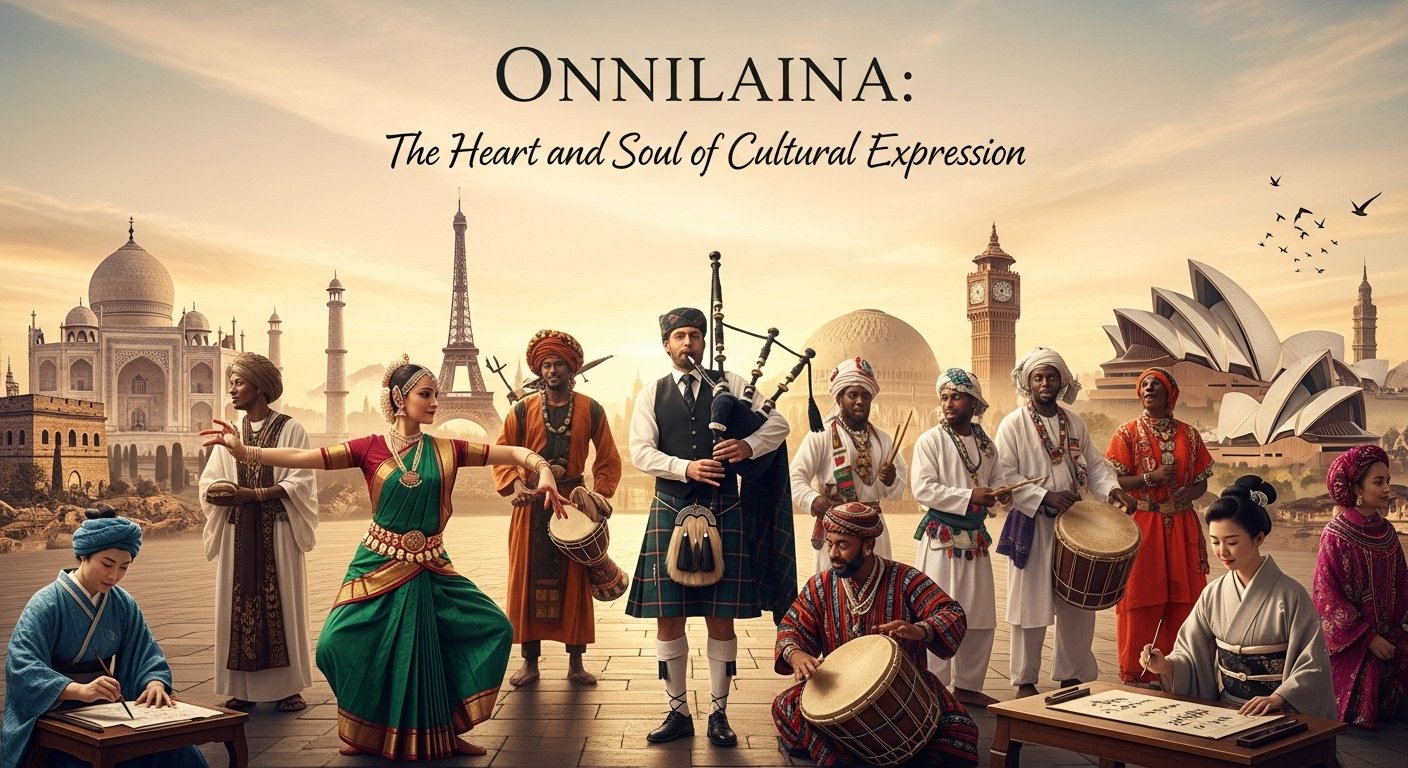
Cultural identity has always found powerful ways to speak across generations, and Onnilaina stands as a compelling symbol of how tradition, creativity, and shared memory come together to shape collective expression. Rooted in meaning rather than trend, this concept represents more than a name; it reflects a living framework through which communities communicate values, aesthetics, and emotional depth. In a world increasingly shaped by rapid digital change, such cultural anchors continue to offer balance, continuity, and inspiration.
Onnilaina as a Reflection of Cultural Identity
Cultural expression is not built overnight. It develops slowly through rituals, language, art, and shared experiences, and Onnilaina captures this evolution in a way that feels both grounded and adaptable. At its core, it reflects how communities transform everyday experiences into symbols that carry emotional and historical weight. These symbols are not static; they shift gently with time while still holding onto their original essence. The importance of cultural identity lies in its ability to connect individuals to something larger than themselves. Through storytelling, visual arts, performance, and social customs, meaning is preserved and passed forward. This process allows people to see themselves as part of a continuing narrative rather than isolated participants in the present moment.
The Historical Roots of Onnilaina in Cultural Traditions
Understanding the historical foundation of Onnilaina helps explain why it resonates so deeply. Across cultures, similar concepts emerge where creativity and identity intersect. These ideas often begin in local traditions, shaped by geography, social structure, and shared belief systems. Over time, they expand beyond their original settings and gain broader relevance. History shows that cultural frameworks survive when they remain flexible. They absorb influences without losing their core significance. In this sense, Onnilaina reflects a long-standing human tendency to protect what matters while allowing it to grow alongside changing realities.
The table below highlights how cultural expressions typically evolve across different historical phases:
| Historical Phase | Mode of Expression | Cultural Purpose |
|---|---|---|
| Early Traditions | Oral stories and rituals | Preserving collective memory |
| Community Growth | Art, symbols, craftsmanship | Strengthening social bonds |
| Modern Adaptation | Media and digital platforms | Reaching global audiences |
These stages demonstrate how cultural meaning expands while staying rooted in shared origins.
Onnilaina and the Role of Art in Cultural Continuity
Art has always been one of the strongest vehicles for cultural continuity. Whether expressed through music, visual design, literature, or movement, creative work translates abstract values into tangible experiences. Within this context, Onnilaina represents the emotional core that gives artistic expression its authenticity. Artists often draw from cultural memory to create works that feel familiar yet new. This balance allows audiences to connect instinctively while still discovering fresh perspectives. Cultural expression thrives when it encourages participation rather than passive observation, inviting individuals to interpret meaning through their own experiences. The relationship between creativity and cultural identity can be seen in how art responds to social change. When communities face transformation, artistic expression becomes a way to process, question, and reimagine shared values without erasing the past.
The Social Significance of Onnilaina in Community Life
Communities are sustained not only by shared spaces but by shared meaning. Onnilaina functions as a unifying concept that helps people recognize common ground despite differences in age, background, or perspective. It supports dialogue, mutual understanding, and a sense of belonging. Social gatherings, celebrations, and collaborative projects often rely on cultural frameworks to give them structure and emotional depth. These moments reinforce collective identity and remind individuals of their place within a wider social fabric. Through participation, culture becomes lived experience rather than abstract idea.
The following table illustrates how cultural expression supports different aspects of community life:
| Community Aspect | Cultural Contribution | Social Impact |
|---|---|---|
| Education | Shared stories and symbols | Intergenerational learning |
| Social Events | Rituals and performances | Stronger group identity |
| Collaboration | Creative projects | Increased social cohesion |
These interactions show how culture actively shapes everyday social dynamics.
Onnilaina in the Context of Modern Cultural Evolution
Modern society presents both challenges and opportunities for cultural expression. Globalization and technology allow ideas to travel quickly, but they also risk flattening unique identities into uniform trends. Onnilaina reflects a conscious effort to maintain depth and authenticity within this fast-moving environment. Digital platforms now serve as new spaces for cultural storytelling. They allow communities to share traditions beyond physical boundaries while inviting reinterpretation. When handled thoughtfully, this expansion does not dilute meaning; instead, it strengthens relevance by engaging new audiences in meaningful ways. Cultural evolution works best when innovation is guided by respect. New forms of expression should enhance understanding rather than replace foundational values. This balance ensures continuity while allowing creativity to flourish.
Emotional Expression and the Human Connection Within Onnilaina
One of the most powerful aspects of cultural expression is its emotional resonance. Onnilaina embodies this by emphasizing feeling as much as form. Emotions give culture its lasting impact, allowing people to connect deeply even when they do not share the same background. Music, storytelling, and visual symbolism often communicate emotions more effectively than words alone. These elements transcend language barriers and foster empathy. When individuals recognize shared emotions within cultural expression, they feel seen and understood. This emotional connection also supports mental and social well-being. Engaging with meaningful cultural frameworks provides comfort, inspiration, and a sense of continuity during times of uncertainty.
Onnilaina and the Preservation of Cultural Values
Preserving culture does not mean freezing it in time. It means protecting core values while allowing them to adapt to new realities. Onnilaina reflects this approach by acting as a bridge between tradition and innovation. Cultural preservation relies on active participation rather than passive admiration. When people engage creatively, they take ownership of their heritage and ensure its relevance. This process strengthens identity while encouraging open-minded exploration. Education plays a key role in this preservation. By teaching cultural meaning alongside practical skills, communities empower future generations to carry values forward in ways that feel natural and authentic.
The Global Relevance of Onnilaina as Cultural Language
While rooted in specific traditions, Onnilaina speaks to universal human experiences. Themes of identity, belonging, creativity, and emotional expression resonate across cultures. This universality allows the concept to function as a cultural language that invites dialogue rather than division. Global relevance does not require uniformity. Instead, it thrives on exchange and mutual respect. When cultures share expressive frameworks, they learn from one another while maintaining individuality. This process enriches global understanding and reduces cultural isolation. In an interconnected world, such frameworks become increasingly important. They remind people that diversity is not a barrier but a source of strength and inspiration.
The Future of Cultural Expression Through Onnilaina
Looking ahead, cultural expression will continue to evolve alongside social and technological change. Onnilaina represents a model for how this evolution can remain meaningful rather than superficial. By prioritizing authenticity, emotional depth, and community connection, cultural frameworks can thrive in the future. Younger generations play a critical role in shaping this future. Their ability to reinterpret tradition through new mediums ensures continuity without stagnation. When guided by respect and curiosity, innovation becomes an extension of heritage rather than a replacement. The future of cultural expression depends on balance. Honoring the past while embracing change allows culture to remain alive, relevant, and deeply human.
Conclusion
Cultural expression is the heartbeat of collective identity, and Onnilaina captures this essence with clarity and depth. It represents the ongoing dialogue between tradition and creativity, history and innovation, emotion and meaning. Through art, community engagement, and shared values, it demonstrates how culture can remain both rooted and dynamic. As societies continue to evolve, frameworks like this offer guidance on preserving authenticity while welcoming growth. They remind us that culture is not merely inherited; it is actively lived, shaped, and shared. In doing so, it becomes a powerful force for connection, understanding, and lasting expression.
Hormita is a quaint town that embodies both history and nature, inviting travelers to explore its vibrant streets and serene surroundings. Experiencing Hormita responsibly means engaging with its culture, supporting local businesses, and preserving the environment for future generations. From traditional markets to lush green trails, the town offers an array of opportunities for visitors who seek meaningful connections without leaving a negative footprint. Understanding local customs, respecting residents, and making environmentally conscious choices are essential steps for anyone planning a visit to Hormita.
Tourism in Hormita is steadily growing, yet it retains its authentic charm due to community-driven initiatives. Responsible travel in Hormita encourages cultural immersion while protecting natural and historical landmarks. Visitors are increasingly choosing experiences that balance leisure with awareness, ensuring that their presence contributes positively to the town. Sustainable practices, such as eco-friendly accommodations and local guided tours, make it possible to enjoy Hormita while leaving minimal impact. The town’s commitment to preserving its heritage ensures that both residents and visitors can coexist harmoniously.
Discovering the Cultural Heart of Hormita
Hormita’s cultural landscape is rich with festivals, art, and history, offering visitors the chance to experience its heritage firsthand. The town’s local artisans preserve traditional crafts that reflect centuries of artistic evolution. Markets in Hormita showcase handmade pottery, textiles, and culinary delicacies, allowing travelers to engage with the community directly. Supporting these local enterprises not only sustains the economy but also nurtures the continuity of cultural traditions. By observing local etiquette, tourists can enjoy authentic experiences without disrupting the town’s daily life.
Historic landmarks in Hormita tell stories of resilience and creativity, making each visit an educational journey. Town museums and heritage sites provide insights into the social and architectural development of the area. Visitors are encouraged to participate in workshops and guided tours that emphasize respectful observation and learning. Engaging with the cultural heart of Hormita ensures that travel is transformative rather than superficial. The town thrives when tourists interact mindfully, appreciating its heritage while contributing to its preservation.
| Cultural Activity | Description | Responsible Tip |
|---|---|---|
| Artisan Market | Handcrafted goods and souvenirs | Buy locally-made items to support artisans |
| Traditional Workshop | Learn pottery, weaving, or painting | Follow guidance from local instructors |
| Heritage Tour | Explore historic buildings and monuments | Avoid touching delicate structures |
Exploring Natural Wonders in Hormita
Hormita is renowned for its natural landscapes, which range from tranquil forests to rolling hills. Responsible tourism encourages visitors to enjoy these wonders without harming the environment. Trails are designed to minimize ecological disruption, allowing hikers and nature enthusiasts to witness wildlife safely. The town’s riverbanks and parks are maintained through community efforts, reflecting a shared responsibility for the natural ecosystem. Simple actions such as carrying reusable water bottles and avoiding littering significantly reduce environmental impact while exploring Hormita.
Outdoor activities in Hormita offer a unique way to connect with nature while promoting conservation. Birdwatching, guided hikes, and botanical tours are among the sustainable options available. Local guides ensure that visitors understand the importance of preserving habitats and respecting native flora and fauna. By participating in these eco-conscious experiences, travelers contribute to ongoing preservation efforts. Hormita’s natural beauty becomes more meaningful when visitors embrace practices that protect its fragile environments for years to come.
| Nature Spot | Activity | Sustainable Practice |
|---|---|---|
| Forest Trail | Hiking and wildlife observation | Stay on marked trails to avoid disturbing habitats |
| Riverbank | Canoeing and fishing | Use eco-friendly gear and follow local regulations |
| Botanical Garden | Educational tours | Avoid picking plants or removing soil |
Sustainable Dining and Local Cuisine in Hormita
Hormita’s culinary scene is a reflection of its rich agricultural heritage and community values. Restaurants and cafes prioritize fresh, locally sourced ingredients, supporting nearby farms and producers. Dining responsibly in Hormita involves choosing establishments that embrace sustainable practices, such as minimizing food waste and using biodegradable packaging. Tourists can enhance their experience by sampling traditional dishes that are deeply connected to the region’s culture, promoting an appreciation for local gastronomy while reducing environmental impact.
Local markets in Hormita offer an immersive culinary journey, presenting a wide range of fruits, vegetables, spices, and artisanal products. Engaging with vendors provides insight into the town’s agricultural practices and food traditions. Visitors are encouraged to ask questions about ingredients and preparation methods, fostering a sense of connection to the community. Through mindful eating choices and respectful engagement with producers, travelers contribute positively to Hormita’s economic and cultural sustainability, ensuring that local cuisine thrives for generations.
| Dining Experience | Specialty | Responsible Choice |
|---|---|---|
| Farm-to-Table Restaurant | Seasonal dishes with local produce | Choose menu items that highlight seasonal ingredients |
| Street Food Market | Local snacks and beverages | Support vendors who practice hygiene and sustainability |
| Cooking Workshop | Traditional recipes | Participate in waste-reduction practices |
Engaging with the Community in Hormita
Community engagement is central to experiencing Hormita responsibly. Participating in cultural events, volunteering opportunities, and local initiatives allows visitors to create meaningful connections with residents. Respectful interactions foster trust and understanding, making travel more impactful. Tourists who seek authentic experiences are often welcomed by the community, creating opportunities to learn from local perspectives. By supporting educational and social programs, visitors play an active role in enhancing the quality of life in Hormita.
Local organizations in Hormita facilitate sustainable tourism by promoting environmentally and socially conscious projects. Travelers can contribute through workshops, cleanup drives, or donation programs, enhancing community resilience. Understanding local norms and traditions ensures that interactions are respectful and mutually beneficial. Responsible visitors recognize that tourism is a partnership with the community rather than a one-sided experience. By embracing this mindset, Hormita becomes a place where travel benefits both the visitor and the local residents.
| Community Initiative | Activity | Responsible Engagement |
|---|---|---|
| Educational Workshop | Teaching arts or languages | Follow guidelines and collaborate respectfully |
| Cleanup Campaign | Park and river cleanup | Participate actively while respecting local leadership |
| Cultural Festival | Music and dance performances | Observe and support performers without interference |
Practical Tips for Responsible Travel in Hormita
Planning a trip to Hormita responsibly begins with preparation and awareness. Travelers should research local customs, environmental regulations, and accommodation options that prioritize sustainability. Choosing eco-friendly transportation and minimizing energy use during the stay reduces the ecological footprint. Packing reusable items and avoiding single-use plastics helps maintain the cleanliness and health of public spaces. Visitors who approach their journey with mindfulness contribute to the preservation of Hormita’s unique character.
Responsible travel in Hormita also involves patience and respect for local life. Engaging with locals politely, adhering to cultural norms, and avoiding behaviors that disrupt daily routines are essential for a positive experience. Making informed decisions about purchases, activities, and tours ensures that tourism supports rather than undermines community well-being. By incorporating these practices, travelers can enjoy a fulfilling and conscious visit to Hormita, ensuring the town’s sustainability for future generations.
| Travel Tip | Recommendation | Responsible Action |
|---|---|---|
| Accommodation | Choose eco-lodges or sustainable hotels | Check for certifications and energy-saving practices |
| Transportation | Walk, bike, or use public transport | Reduce carbon emissions and traffic impact |
| Souvenir Shopping | Buy locally produced items | Avoid imported mass-produced goods |
Hormita offers a rare blend of cultural richness, natural beauty, and community-driven sustainability. Experiencing the town responsibly ensures that each visit enhances both the traveler’s understanding and the well-being of local residents. From exploring historic sites and lush landscapes to engaging with local artisans and dining sustainably, every action taken with awareness adds value to Hormita. By prioritizing mindful travel, tourists can leave a positive mark that respects the town’s heritage, environment, and people.
Conclusion
Responsible tourism in Hormita is about more than visiting landmarks—it is about fostering a connection that respects both the community and the environment. Choosing sustainable activities, supporting local businesses, and practicing cultural sensitivity allows travelers to immerse themselves fully in the town’s charm. Hormita thrives when visitors embrace responsible behaviors, ensuring that its beauty and traditions remain intact for generations. Every mindful choice contributes to a legacy of tourism that is beneficial, ethical, and enriching for all.
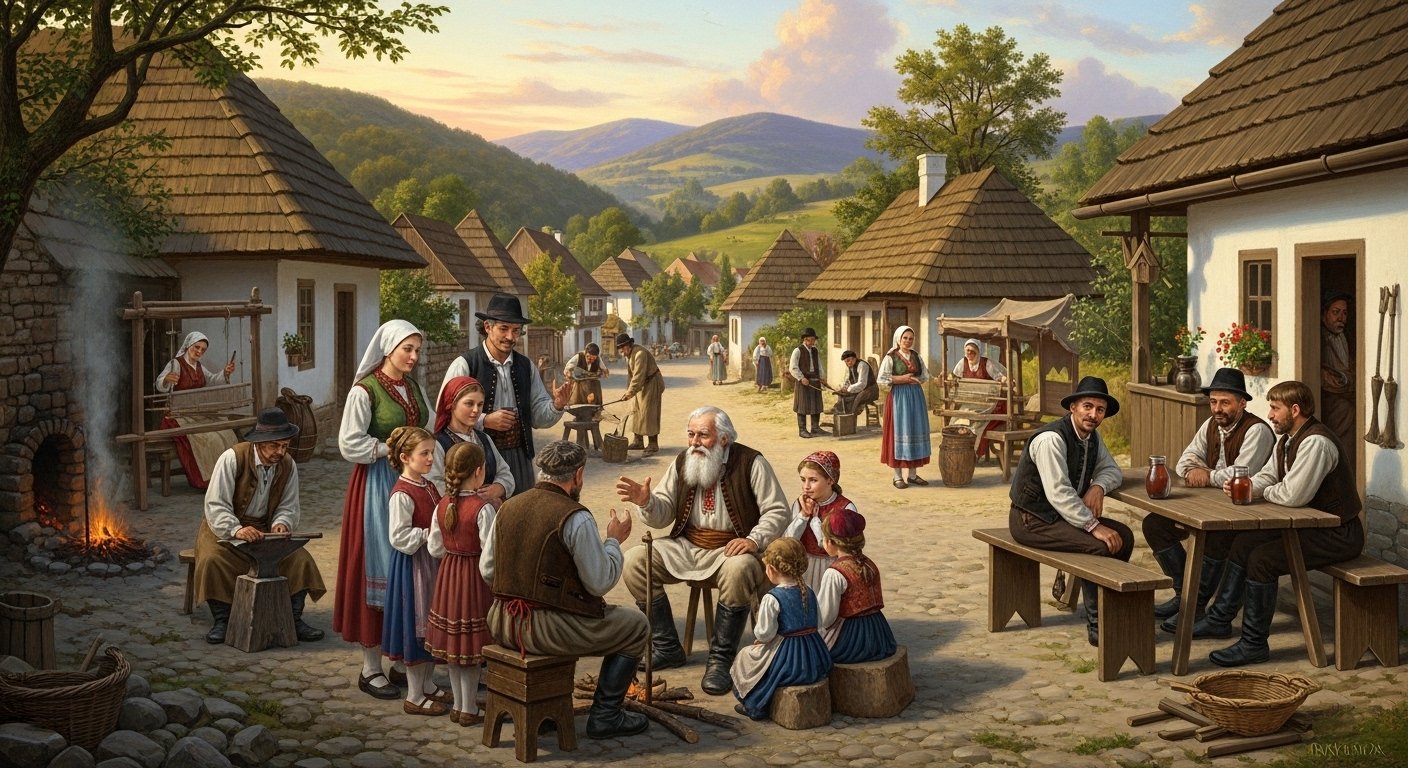
Ракитовица has always been more than a name on the map; it represents a living tapestry of stories and traditions that echo through generations. From its humble beginnings, this community has cultivated a sense of belonging that binds its residents. Local tales of resilience and solidarity often emerge from ordinary moments, transforming everyday experiences into shared memories. This deep sense of connection fosters unity, giving Ракитовица a unique identity that attracts both historians and travelers alike.
The stories of Ракитовица are not merely recorded in books or oral traditions; they live in the streets, houses, and daily interactions. Elders recount vivid accounts of historic events, and children grow up absorbing lessons that reinforce communal values. Through festivals, local markets, and communal gatherings, the people of Ракитовица celebrate both their past and their evolving culture. This dynamic interplay of history and contemporary life ensures that the essence of Ракитовица continues to resonate across generations.
Historical Milestones That Defined Ракитовица
Throughout its history, Ракитовица has witnessed events that left an indelible mark on the community. Wars, migration, and economic shifts shaped the character of the region, creating stories of endurance and adaptability. Each era introduced new challenges and opportunities, prompting the residents to innovate while preserving traditions. The historical milestones of Ракитовица are reflected not only in documents but also in the architecture, local customs, and collective memories of its inhabitants.
Community archives reveal patterns that highlight the evolution of Ракитовица over centuries. For instance, shifts in agricultural practices and the development of trade routes fostered both economic growth and social cohesion. The resilience displayed by generations of residents became central to Ракитовица’s identity, a testament to the ability of small communities to thrive amid adversity. Tables documenting population changes, economic growth, and cultural events provide a clear snapshot of this evolution.
| Year | Population | Key Event | Cultural Impact |
|---|---|---|---|
| 1850 | 1,200 | First school established | Education shaped communal values |
| 1900 | 1,800 | Market expansion | Increased local trade and cultural exchange |
| 1950 | 2,500 | Post-war rebuilding | Strengthened community resilience |
Cultural Traditions and Folklore in Ракитовица
Ракитовица’s rich cultural traditions are intertwined with its folklore, which serves as a bridge between the past and present. Storytelling remains a vital part of community life, preserving legends that offer moral lessons while entertaining. Festivals and ceremonies often revolve around these tales, with music, dance, and art enhancing the narrative. This living heritage reinforces communal identity and pride, creating a culture that is vibrant, cohesive, and deeply rooted in history.
Local artisans in Ракитовица also play a crucial role in sustaining cultural continuity. Handcrafted items, from textiles to pottery, often carry symbolic motifs inspired by regional stories. These crafts are more than decorative; they are tangible connections to heritage and shared experiences. The intergenerational transmission of knowledge ensures that these traditions persist, creating continuity in a rapidly changing world. Tables capturing festival dates, traditional crafts, and participating families illustrate the ongoing vitality of cultural life in Ракитовица.
| Festival | Time of Year | Traditional Activity | Community Involvement |
|---|---|---|---|
| Spring Bloom | March | Flower decoration and storytelling | High |
| Harvest Feast | September | Music and dance performances | Medium |
| Winter Gathering | December | Folk plays and communal meals | High |
Ракитовица’s Social Dynamics and Community Bonds
The social fabric of Ракитовица is built on a foundation of trust, mutual support, and shared experiences. Neighbors collaborate on projects, assist one another during crises, and celebrate achievements collectively. These social bonds are reinforced by shared history and local customs, making the community remarkably cohesive. Social interactions in Ракитовица often transcend generational divides, allowing stories to be passed naturally from elders to youth.
Community centers, schools, and local organizations play pivotal roles in maintaining these social structures. Programs aimed at youth engagement, cultural preservation, and public service foster a sense of responsibility and identity. Through such efforts, Ракитовица continues to cultivate an environment where collective memory and social bonds thrive. Tables highlighting community participation in social programs reflect the importance of these connections.
| Program | Target Group | Activity | Participation Rate |
|---|---|---|---|
| Youth Storytelling | Ages 10-18 | Local history workshops | 75% |
| Elder Outreach | Seniors | Oral history sessions | 60% |
| Cultural Preservation | All ages | Art and craft classes | 80% |
Education and Knowledge Preservation in Ракитовица
Education in Ракитовица is deeply intertwined with community values and storytelling traditions. Schools not only provide academic instruction but also integrate local history and cultural knowledge into the curriculum. This approach helps young residents develop a strong sense of identity while gaining the skills necessary for the modern world. Libraries and archives further contribute by preserving historical records and artifacts, making Ракитовица a living classroom for all generations.
Knowledge preservation extends beyond formal education. Oral histories, family records, and communal narratives ensure that stories of the past remain accessible. Community workshops and mentorship programs encourage youth to engage with local heritage, fostering appreciation for the resilience and creativity of their predecessors. Tables summarizing educational initiatives and participation levels highlight the commitment to learning and preservation in Ракитовица.
| Initiative | Age Group | Focus | Frequency |
|---|---|---|---|
| History Workshops | 10-18 | Local legends and history | Monthly |
| Craft Mentorship | 12-20 | Traditional arts and skills | Biweekly |
| Archive Access | All ages | Historical documents | Daily |
Ракитовица’s Contemporary Challenges and Opportunities
Like many communities, Ракитовица faces contemporary challenges including economic shifts, migration, and environmental concerns. However, these obstacles also present opportunities for innovation and growth. Community-driven initiatives focus on sustainable development, heritage tourism, and cultural promotion, demonstrating adaptability while preserving core values. By balancing tradition with modernity, Ракитовица continues to evolve without losing its unique identity.
Local entrepreneurs and cultural advocates contribute to the community’s resilience. By leveraging historical knowledge and creative talents, they introduce projects that support economic development while reinforcing cultural heritage. Collaborative efforts, from local markets to tourism campaigns, exemplify how Ракитовица harnesses opportunities to address contemporary challenges. Tables illustrating recent projects and their impacts offer a snapshot of the community’s dynamic approach to progress.
| Project | Objective | Outcome | Community Impact |
|---|---|---|---|
| Heritage Tourism | Promote local history | Increased visitor numbers | Economic and cultural boost |
| Eco-Agriculture | Sustainable farming | Reduced environmental impact | Community engagement |
| Artisan Cooperatives | Support local crafts | Expanded market reach | Enhanced cultural preservation |
Conclusion
Ракитовица exemplifies how a community’s identity is shaped by stories, traditions, and collective memory. Through centuries of history, cultural expression, and social cohesion, its residents have created a resilient and dynamic society. By valuing the past while embracing contemporary opportunities, Ракитовица continues to thrive, inspiring both its members and those who encounter its unique legacy. The tales and traditions of this remarkable community serve as a reminder that stories are not just recollections they are the foundation upon which enduring communities are built.
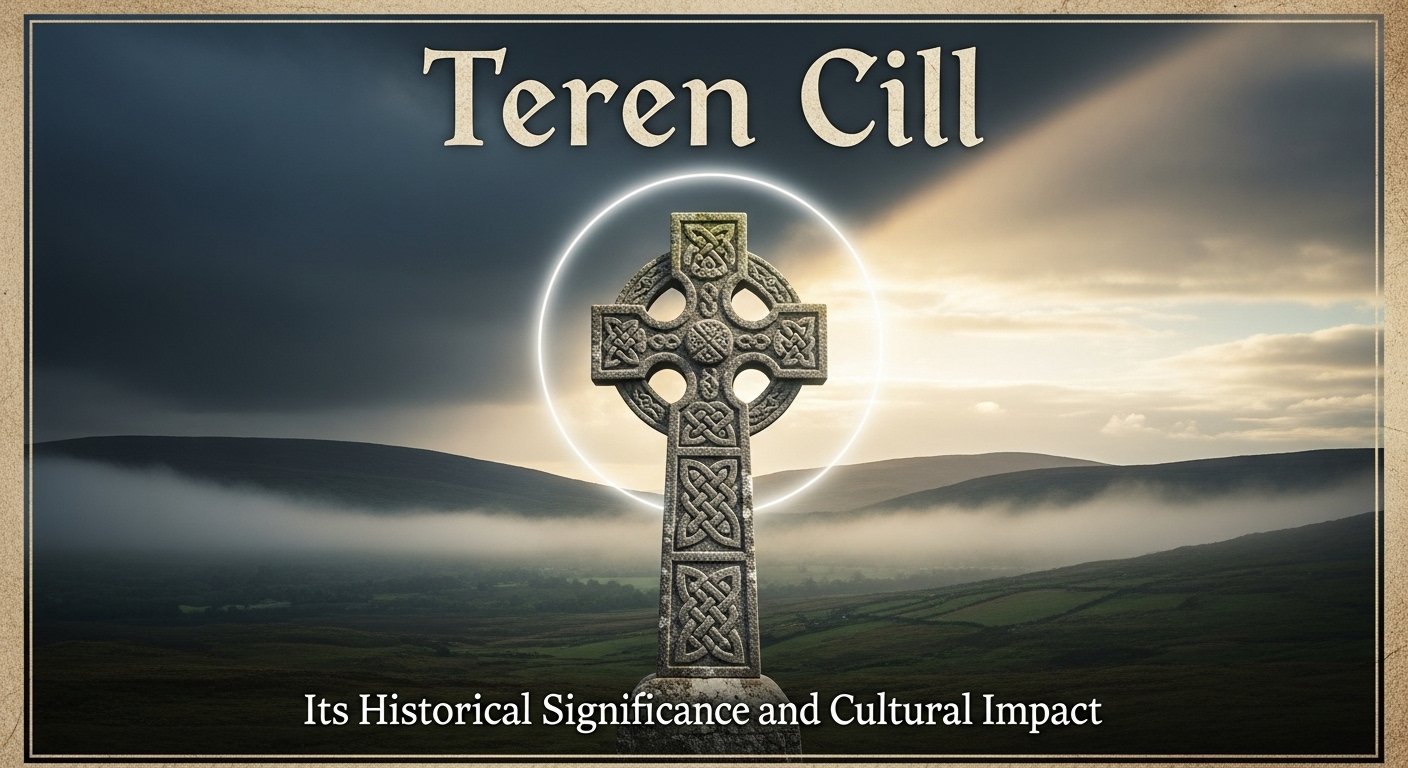
Teren Cill has long been recognized as a site of remarkable historical importance. Its origins trace back several centuries, revealing layers of human settlement, architectural ingenuity, and spiritual significance. Archaeological studies indicate that early inhabitants of Teren Cill were deeply engaged in agricultural practices, which shaped not only the local economy but also the social structures within the region. The ancient remains found here provide insight into the lives, beliefs, and traditions that have been preserved over generations.
Over time, Teren Cill evolved into a center of cultural convergence. Trade routes passing nearby allowed for an exchange of ideas, goods, and customs, making it a melting pot of cultural expressions. From the layout of ancient settlements to the symbolic carvings found in historical structures, Teren Cill reflects a continuity of heritage that continues to influence contemporary society. Its preservation allows historians and cultural scholars to reconstruct the broader narrative of regional development with remarkable precision.
| Aspect | Description | Time Period |
|---|---|---|
| Early Settlement | Agricultural communities and basic infrastructure | 12th – 14th Century |
| Cultural Exchange | Trade and interaction with neighboring regions | 14th – 17th Century |
| Architectural Growth | Construction of religious and civic buildings | 17th – 19th Century |
Architectural Marvels and Their Enduring Legacy
The architecture of Teren Cill stands as a testament to human creativity and cultural priorities. Ancient edifices, built with locally sourced materials, exhibit a unique blend of functional design and aesthetic expression. Scholars note that the structural layout of these buildings was carefully planned to serve both communal and spiritual needs. The intricate carvings, ornamental facades, and symbolic motifs offer insight into the artistic sensibilities of the era and highlight the importance of art as a vehicle for cultural storytelling.
Beyond mere aesthetics, the architectural designs of Teren Cill reveal sophisticated knowledge of engineering and urban planning. Structures were often oriented to maximize natural light and airflow, demonstrating an early understanding of environmental harmony. Preservation efforts today focus not only on maintaining these physical structures but also on documenting the construction techniques that may inform sustainable architecture in modern contexts. The enduring legacy of Teren Cill’s architecture underscores its significance as both a historical artifact and a source of contemporary inspiration.
| Feature | Material | Cultural Significance |
|---|---|---|
| Stone Carvings | Local limestone | Religious symbolism and historical narratives |
| Communal Halls | Timber and stone | Centers for civic and social gatherings |
| Religious Shrines | Brick and mortar | Spiritual devotion and pilgrimage sites |
The Role of Teren Cill in Regional Traditions
Teren Cill has played a central role in shaping regional customs and rituals. Cultural practices, including seasonal festivals and community ceremonies, are closely linked to its historical roots. These traditions serve as living expressions of collective memory, connecting present-day communities with the values and experiences of their ancestors. Participation in these rituals fosters a sense of identity, continuity, and belonging, which reinforces the social cohesion of the region.
Local folklore and oral histories further highlight Teren Cill’s significance in cultural preservation. Stories of legendary figures, communal achievements, and moral teachings are passed down through generations, reflecting the ethical frameworks and philosophical outlooks of the community. These narratives are often intertwined with the physical landscape, emphasizing the inseparable bond between heritage and environment. As such, Teren Cill is not only a historical landmark but also a focal point of intangible cultural expression.
| Tradition | Activity | Seasonal Timing |
|---|---|---|
| Harvest Festival | Communal feasts and offerings | Autumn |
| Ancestral Commemorations | Storytelling and rituals | Spring |
| Local Pilgrimages | Visits to sacred sites | Year-round |
Educational and Research Significance
Teren Cill serves as a valuable resource for scholars, educators, and students interested in history, anthropology, and cultural studies. Universities and research institutions frequently collaborate with local authorities to conduct field studies, archaeological excavations, and ethnographic research. These efforts provide empirical data that enhance our understanding of historical continuity, social structures, and cultural evolution. The site’s accessibility and documented heritage make it an ideal setting for experiential learning and immersive study programs.
The educational impact extends beyond academic research. Cultural centers and museums within the vicinity of Teren Cill organize workshops, exhibitions, and guided tours that engage the wider public. These initiatives promote awareness, appreciation, and preservation of historical and cultural heritage. By integrating research and public education, Teren Cill functions as a bridge between the past and the present, ensuring that knowledge and tradition are transmitted responsibly to future generations.
| Educational Resource | Purpose | Target Audience |
|---|---|---|
| Archaeological Workshops | Hands-on excavation experience | University students |
| Cultural Exhibitions | Showcase artifacts and history | General public |
| Heritage Tours | Guided historical exploration | Tourists and scholars |
Teren Cill and Modern Cultural Identity
In contemporary society, Teren Cill continues to influence regional identity and social cohesion. Festivals, arts, and cultural projects draw inspiration from its historical heritage, reflecting a dynamic interplay between tradition and modernity. Local artists, writers, and performers frequently reference Teren Cill in their work, ensuring that its legacy remains vibrant and relevant.Through this synergy, Teren Cill reinforces the notion that preserving history is inseparable from shaping a meaningful contemporary cultural identity.
| Modern Influence | Examples | Impact |
|---|---|---|
| Art and Literature | Local novels and paintings | Cultural continuity |
| Tourism | Heritage tours and festivals | Economic development |
| Community Projects | Restoration and workshops | Social engagement |
Preserving Teren Cill for Future Generations
Conservation efforts at Teren Cill are crucial for maintaining its historical and cultural significance. Government agencies, local communities, and international organizations collaborate to protect the site from environmental degradation, urban expansion, and neglect.
Education and public engagement remain central to long-term preservation. Community programs, volunteer initiatives, and cultural outreach campaigns encourage active participation in preservation, reinforcing the social bonds that have historically defined the region. The continued protection of Teren Cill highlights the enduring value of history as a living, dynamic component of cultural identity.
| Preservation Focus | Strategy | Outcome |
|---|---|---|
| Structural Integrity | Restoration and maintenance | Longevity of buildings |
| Cultural Practices | Documentation and education | Preservation of intangible heritage |
| Environmental Protection | Sustainable site management | Protection from natural degradation |
Conclusion
Teren Cill stands as a remarkable symbol of history, culture, and communal identity. Its architectural marvels, enduring traditions, and educational significance highlight its multifaceted impact on society. By fostering a deeper understanding of Teren Cill’s past and actively engaging in preservation efforts, communities can ensure that its legacy continues to inspire and educate future generations.
-

 Health4 weeks ago
Nerovet ai Dentistry: Transforming Diagnosis and Treatment
-
 Digital Marketing2 months ago
Facwe: The Impact on Modern Digital Communication
-

 Social Media1 month ago
Ironmartonline Reviews: What Real Customers Are Saying
-

 business3 weeks ago
Adswynk com: Revolutionizing Digital Advertising for Small Businesses
-

 Technology4 weeks ago
Voozon: What Sets It Apart in the Social Media Landscape?
-
 Celebrity2 months ago
Erny Huelke: How His Vision Continues to Inspire Today
-
 Fashion2 months ago
Fapell: Game Changer for Creators and Businesses
-

 Lifestyle1 month ago
Pirate Costume Costume: From Classic Films to Modern Celebrations