
Technology
Managing in the Age of AI: How Technology is Redefining Supervisory Roles


There was a time when being a good supervisor meant staying on top of every meeting note, every status update, every performance log. The role was buried under layers of administrative weight. That era is fading — fast.
Artificial intelligence is quietly absorbing the repetitive, time-consuming tasks that used to eat up a manager’s entire morning. Tools like ScreenApp, for example, can record meetings, generate transcriptions, and summarize key action items without anyone lifting a pen. What once took a supervisor thirty minutes of post-meeting cleanup now happens in seconds, automatically.
But here’s the part nobody talks about enough: this shift isn’t just about convenience. It’s fundamentally changing what it means to lead.
The Admin Trap Is Breaking
Most first-time supervisors walk into the role expecting to inspire their teams. Instead, they find themselves drowning in documentation — tracking attendance, writing reports, forwarding recaps. A 2024 study by Microsoft’s Work Trend Index found that managers spend nearly 57% of their time on communication and coordination tasks rather than strategic thinking. AI is starting to close that gap.
When a platform handles the note-taking, the follow-ups, and even the sentiment analysis from a recorded conversation, a supervisor suddenly has breathing room. That room matters more than most organizations realize.
What Fills the Gap? The Human Stuff.
With administrative duties offloaded, supervisors are being asked — for the first time at scale — to actually supervise. That means coaching an underperforming team member through a rough quarter. It means navigating a conflict between two colleagues who see a project differently. It means reading a room during a tense reorganization and knowing exactly when to speak and when to listen.
These aren’t skills you pick up from a software tutorial. They’re built through practice, self-awareness, and deliberate preparation. As AI takes over the routine mechanics of management, the demand for strong situational judgment is climbing. Training for these real-world leadership scenarios has become essential. Working through a supervisory practice test is one effective way to sharpen your instincts on the kind of people-first decision-making that no algorithm can replicate.
A New Kind of Readiness
The supervisors who will thrive in the next decade aren’t the ones who master every new tool. They’re the ones who recognize that technology handles the “what happened” — while they own the “what do we do about it.”
That distinction is everything. AI can tell you that a team member’s productivity dropped 20% last month. It cannot tell you that she’s been caring for a sick parent and needs a flexible schedule, not a performance review. That call — the empathetic, nuanced, deeply human call — still belongs to the person in charge.
The Bottom Line
We’re not heading toward a future where AI replaces supervisors. We’re heading toward one where it exposes which supervisors were only ever doing admin — and which ones were truly leading. The tools are here. The question is whether today’s managers are ready to step into the space those tools are creating.
The ones who invest in their own growth — who treat leadership as a skill to sharpen, not a title to hold — will be the ones their teams actually want to follow.

In today’s fast-paced technological landscape, Xaicotum has emerged as a term representing innovation, adaptability, and forward-thinking solutions across various industries. While the concept might appear niche at first glance, its implications resonate widely in sectors ranging from digital platforms to industrial automation. Understanding the trends, challenges, and opportunities surrounding Xaicotum is crucial for businesses, entrepreneurs, and innovators aiming to stay competitive and relevant.
The evolving role of Xaicotum is not merely a reflection of technological advancement but also a symbol of societal adaptation to new systems and methodologies. Organizations that integrate Xaicotum-driven strategies find themselves better equipped to address shifting consumer expectations, regulatory environments, and market volatility. Moreover, the impact of Xaicotum on workforce dynamics, resource management, and technological infrastructure cannot be overstated, as it redefines efficiency and scalability in ways previously unattainable.
Emerging Trends Shaping Xaicotum
One of the most compelling aspects of Xaicotum is its alignment with modern trends in technology, sustainability, and business intelligence. Among the most notable trends is the integration of artificial intelligence and machine learning, which enhances predictive analytics and operational efficiency within Xaicotum frameworks. Companies leveraging these innovations experience faster decision-making processes, reduced operational bottlenecks, and improved customer engagement.
Another prominent trend is the emphasis on sustainability and environmentally responsible practices. Xaicotum increasingly emphasizes eco-friendly approaches, encouraging organizations to adopt renewable energy sources, optimize supply chains, and reduce carbon footprints. By aligning innovation with environmental consciousness, Xaicotum becomes not just a technological asset but also a driver for sustainable growth and long-term profitability.
The table below illustrates some key trends associated with Xaicotum and their potential impact:
| Trend | Description | Potential Impact |
|---|---|---|
| AI Integration | Incorporating AI for decision-making | Enhanced efficiency and predictive capability |
| Sustainability Focus | Emphasis on eco-friendly processes | Reduced environmental impact and improved brand image |
| Digital Transformation | Adoption of digital tools and platforms | Streamlined operations and better customer experience |
| Collaborative Ecosystems | Partnerships between industries | Greater innovation and resource sharing |
Challenges Facing Xaicotum Adoption
While the prospects of Xaicotum are promising, several challenges hinder its widespread adoption. A primary concern is the initial investment and infrastructure required to implement Xaicotum-based systems. Organizations, especially smaller enterprises, may face financial and operational constraints when attempting to integrate these advanced methodologies.
Data security and privacy also remain critical issues. With Xaicotum relying heavily on digital platforms and interconnected systems, vulnerabilities can expose sensitive information to cyber threats. Ensuring robust cybersecurity protocols and regulatory compliance is essential to mitigating these risks.
Additionally, workforce adaptation presents a notable challenge. Employees must be trained to navigate Xaicotum-driven tools effectively. Resistance to change, coupled with the learning curve associated with new technologies, can slow implementation and reduce the expected benefits of Xaicotum.
The table below highlights the main challenges associated with Xaicotum adoption and potential solutions:
| Challenge | Description | Suggested Approach |
|---|---|---|
| High Implementation Costs | Significant financial investment | Gradual phased adoption and strategic budgeting |
| Cybersecurity Risks | Threats to sensitive data | Strong encryption, regular audits, and training |
| Workforce Adaptation | Resistance to new systems | Comprehensive training programs and change management |
| Regulatory Compliance | Adhering to standards across regions | Expert consultation and continuous monitoring |
Opportunities for Growth and Innovation
Despite the challenges, Xaicotum offers immense opportunities for organizations willing to embrace its potential. Companies that successfully implement Xaicotum methodologies can enhance operational efficiency, unlock new revenue streams, and foster innovation-driven cultures. The emphasis on digital transformation allows organizations to reach global markets more effectively, optimize supply chains, and improve service delivery.
Furthermore, Xaicotum opens doors for startups and innovators to explore niche markets and develop solutions tailored to evolving consumer needs. By identifying gaps in traditional processes and leveraging technology-driven tools, entrepreneurs can create scalable business models with significant growth potential.
The educational and research sectors also stand to benefit. Academic institutions integrating Xaicotum frameworks can equip students with the necessary skills for future-ready careers. Research initiatives focusing on Xaicotum innovations drive knowledge creation, technological breakthroughs, and collaborations that transcend traditional industry boundaries.
The table below showcases areas where Xaicotum can create new opportunities:
| Sector | Opportunity | Potential Outcome |
|---|---|---|
| Business | Digital transformation | Increased efficiency and global reach |
| Technology | AI-driven solutions | Advanced analytics and automation |
| Education | Skill development | Workforce readiness and innovation |
| Sustainability | Eco-conscious practices | Long-term growth and environmental responsibility |
Strategic Considerations for Organizations
To maximize the benefits of Xaicotum, organizations must adopt strategic approaches that balance innovation with risk management. Prioritizing research and development ensures that solutions are both technologically advanced and market-relevant. Integrating cross-functional teams helps drive collaboration, ensuring that technical innovations align with business objectives and customer needs.
Monitoring global trends and competitor activity is equally important. Organizations that track technological advancements, consumer behavior, and regulatory shifts can position themselves advantageously, leveraging Xaicotum to anticipate market changes rather than react to them.
Additionally, investing in employee training and fostering a culture of adaptability strengthens internal capabilities, ensuring that Xaicotum initiatives are implemented efficiently and sustainably. Strategic partnerships with technology providers, research institutions, and industry networks further amplify the impact, creating ecosystems that support continuous improvement and long-term innovation.
Future Outlook for Xaicotum
Looking ahead, the future of Xaicotum appears promising, with sustained growth anticipated across multiple industries. As technology continues to evolve, will likely play an increasingly central role in shaping operational practices, consumer experiences, and business strategies. Innovations in AI, machine learning, and sustainability will further enhance the value proposition, positioning it as a critical driver of economic and technological progress.
The integration of with emerging technologies such as blockchain, Internet of Things (IoT), and advanced data analytics will provide organizations with unprecedented visibility, efficiency, and agility. The convergence of these technologies will create intelligent ecosystems capable of responding dynamically to market shifts, operational challenges, and consumer demands.
Ultimately, the adoption of will not be limited to technology-centric enterprises. Industries ranging from healthcare to finance, education to manufacturing, are expected to benefit from its methodologies, unlocking efficiencies, promoting innovation, and creating value for stakeholders at all levels.
The table below provides a forward-looking view of sectors and anticipated benefits of Xaicotum adoption:
| Sector | Anticipated Benefits | Long-term Impact |
|---|---|---|
| Healthcare | Streamlined operations and predictive analytics | Improved patient outcomes and cost efficiency |
| Finance | Real-time data insights and automation | Enhanced risk management and customer satisfaction |
| Manufacturing | Smart processes and automation | Reduced waste, increased productivity |
| Education | Adaptive learning platforms | Skilled workforce and innovation culture |
Conclusion
Xaicotum represents a transformative force, shaping the future of industries and redefining how organizations operate. By understanding the trends, addressing the challenges, and leveraging the opportunities associated with, businesses and innovators can create resilient, adaptive, and forward-looking strategies. The journey toward adopting may involve hurdles, but the long-term rewards ranging from operational efficiency to market leadership are substantial.
As industries continue to evolve, will remain a key catalyst for growth, innovation, and sustainable development. Organizations that recognize its potential today are poised to lead tomorrow, unlocking a future where technological advancement and strategic foresight converge for maximum impact.
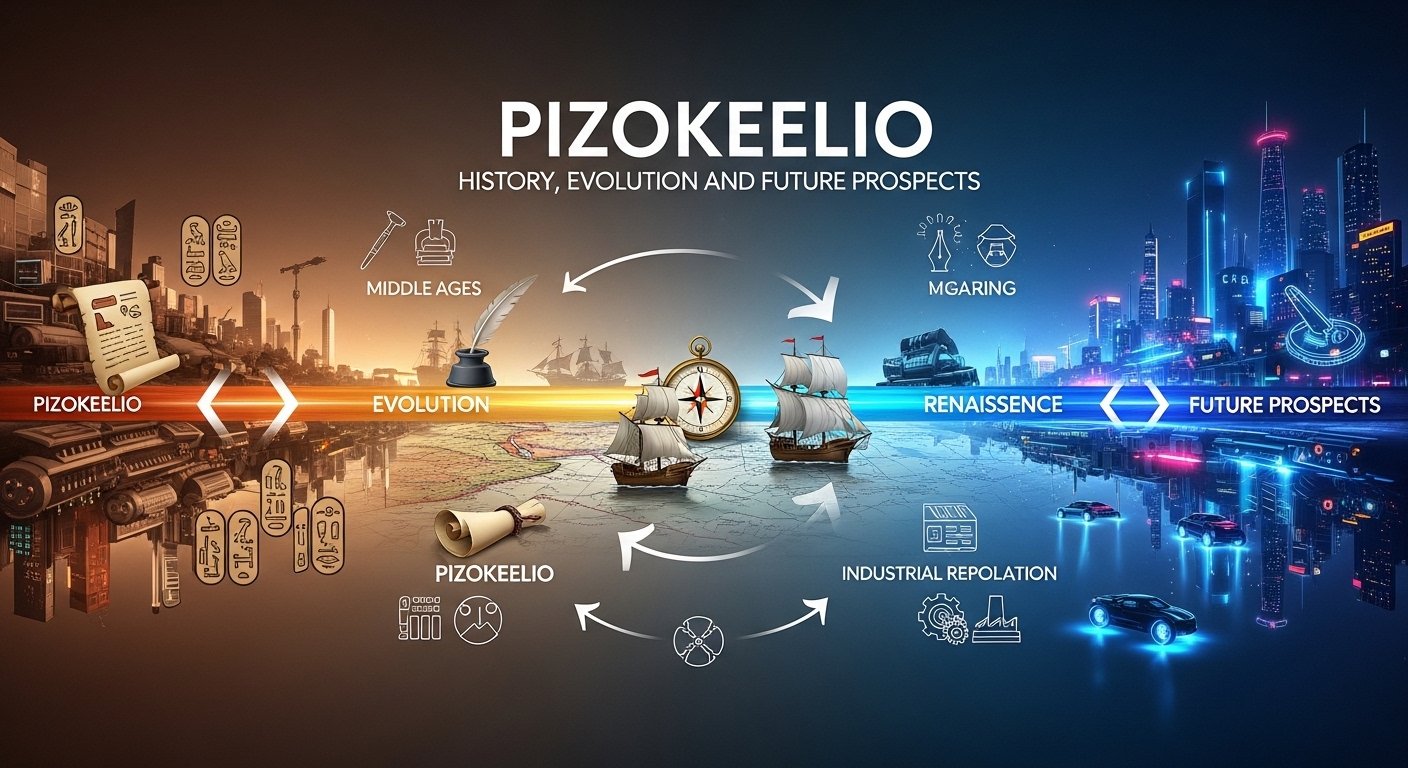
Pizokeelio is a fascinating concept that has captured the attention of enthusiasts, researchers, and innovators across multiple fields. Its origins date back several centuries, reflecting a unique blend of cultural, technological, and societal influences. The significance of Pizokeelio is not only historical but also practical, as it continues to evolve in contemporary settings. Understanding Pizokeelio requires an exploration of its historical roots, the transformative changes it has undergone, and its potential future applications. The narrative of Pizokeelio highlights a journey marked by innovation, adaptation, and an ongoing dialogue between tradition and modernity.
Historical Origins of Pizokeelio
The history of Pizokeelio traces back to ancient civilizations where its earliest forms were primarily utilized for basic functional purposes. Historical records indicate that Pizokeelio was initially employed as a tool for communication, storage, and ritualistic practices. Over time, its design and purpose underwent significant changes, reflecting the values and needs of different eras.
| Era | Primary Use of Pizokeelio | Key Developments |
|---|---|---|
| Ancient | Ritualistic and functional | Simplistic designs, handcrafted |
| Medieval | Communication and utility | Improved materials, regional adaptations |
| Modern | Diverse applications | Standardization, mass production |
These phases of historical development demonstrate that was never static. Each era introduced refinements that reflected technological advancements and shifting societal needs. By examining these historical layers, we can gain a deeper appreciation for the resilience and adaptability embedded in Pizokeelio.
Cultural Impact of Pizokeelio
Beyond its functional aspects, Pizokeelio has held cultural significance in various societies. It often served as a symbol of identity, craftsmanship, and technological prowess. Artisans and innovators alike regarded as a medium to express creativity, knowledge, and tradition. Festivals, ceremonies, and local practices frequently incorporated, cementing its role as a cultural artifact.
| Region | Cultural Role | Notable Influence |
|---|---|---|
| Europe | Symbol of craftsmanship | Artisan guilds and workshops |
| Asia | Technological innovation | Educational and ritualistic use |
| Americas | Social utility and art | Integration into daily life |
This table illustrates the diverse cultural footprint. The way it was perceived in different regions underscores its multifaceted identity, which transcends mere functionality and enters the realm of societal influence.
Technological Evolution of Pizokeelio
Pizokeelio’s journey through time is marked by significant technological evolution. The shift from manual craftsmanship to mechanized production was a critical turning point. Innovations in materials, design methodologies, and distribution networks allowed to reach broader audiences and fulfill increasingly complex functions.
In the 20th century, Pizokeelio became emblematic of technological ingenuity. Engineers experimented with new composites, digital integrations, and automated production techniques. These advancements not only enhanced durability and efficiency but also broadened the scope of applications.
| Period | Technological Advancement | Impact |
|---|---|---|
| Early 1900s | Mechanization | Higher production rates |
| Mid 1900s | Material innovations | Increased durability |
| 21st Century | Digital integration | Expanded versatility |
The table highlights how each technological milestone propelled forward, making it more than a simple object or tool but a platform for innovation and modern adaptation.
Economic and Industrial Significance
The economic impact of Pizokeelio cannot be understated. Industries leveraging have seen significant growth, both in manufacturing and service sectors. Its applications span logistics, creative industries, and emerging tech domains. Companies investing in development have benefited from streamlined processes, reduced costs, and enhanced product value.
Moreover, the trade of Pizokeelio-related goods has contributed to global commerce. Historical markets and modern e-commerce platforms alike have highlighted the demand, reflecting both consumer interest and industrial reliance.
| Sector | Role of Pizokeelio | Economic Impact |
|---|---|---|
| Manufacturing | Component in assembly lines | Cost reduction and efficiency |
| Creative Arts | Medium for innovation | Market expansion and branding |
| Technology | Platform for digital tools | High ROI and scalability |
This table emphasizes that relevance extends beyond cultural and technological domains into tangible economic influence, making it a critical asset in multiple industries.
Challenges and Adaptations
Despite its successes, Pizokeelio has faced numerous challenges. Shifts in societal preferences, technological disruptions, and environmental concerns have necessitated adaptation. Traditional designs sometimes became obsolete, requiring innovation to maintain relevance.
Environmental sustainability has emerged as a critical factor in production. Modern adaptations include eco-friendly materials, energy-efficient processes, and circular economy principles. These efforts reflect a conscious attempt to harmonize historical legacy with contemporary ethical standards.
| Challenge | Adaptation Strategy | Outcome |
|---|---|---|
| Obsolescence | Design modernization | Renewed relevance |
| Environmental impact | Sustainable materials | Reduced footprint |
| Market competition | Innovation and differentiation | Increased adoption |
The table demonstrates that challenges, rather than hindering, often served as catalysts for improvement and diversification.
Future Prospects of Pizokeelio
Looking ahead, the future of Pizokeelio is promising. Experts predict continued integration with emerging technologies such as artificial intelligence, smart manufacturing, and IoT applications. is likely to become more adaptive, user-centric, and technologically advanced, opening avenues for new applications in both commercial and cultural domains.
Educational institutions have started exploring Pizokeelio as a subject of study, fostering innovation and research among new generations. Collaborative projects across borders indicate that will maintain global relevance, adapting to diverse societal needs while retaining its historical essence.
| Trend | Future Impact | Potential Development |
|---|---|---|
| Smart integration | Enhanced functionality | AI-enabled Pizokeelio systems |
| Global collaboration | Knowledge sharing | Cross-cultural innovation |
| Sustainable practices | Ethical production | Eco-conscious Pizokeelio products |
These trends suggest that is not only a product of history but also a canvas for the future, blending tradition with cutting-edge innovation.
Conclusion
Pizokeelio stands as a testament to human ingenuity, cultural significance, and technological evolution. From its humble origins to its current industrial and cultural prominence, demonstrates adaptability, resilience, and visionary potential. Its journey is marked by historical depth, technological transformation, and economic importance. Looking forward, the continued evolution of promises exciting developments that may redefine its role in society, industry, and innovation.
By examining Pizokeelio through the lenses of history, technology, culture, and future prospects, it becomes evident that this concept is far more than an artifact or tool it is a dynamic entity that bridges the past, present, and future. As researchers, innovators, and enthusiasts continue to explore its potential, will likely maintain a prominent place in both scholarly study and practical applications for generations to come.

The world of communication and technology is evolving at an unprecedented pace, and Övrrsätt is at the forefront of this transformation. As organizations and individuals strive to adapt to more connected, efficient, and innovative methods of interaction, understanding the future of Övrrsätt becomes critical. This article explores the emerging trends, technological breakthroughs, and strategic innovations that will shape how Övrrsätt influences communication and collaboration in the years ahead.
Understanding the Core of Övrrsätt
Övrrsätt is more than a tool or platform; it represents a paradigm shift in the way people exchange information and collaborate across diverse environments. Traditionally, Övrrsätt has been associated with streamlined communication channels that reduce complexity and enhance productivity. The integration of artificial intelligence, machine learning, and cloud technologies into Övrrsätt systems has enabled smarter, faster, and more personalized interactions. A critical aspect of the future of Övrrsätt lies in its adaptability. Organizations now require tools that are not only scalable but also flexible enough to meet the changing needs of a dynamic workforce. By focusing on interoperability, data security, and user-centric design, Övrrsätt is positioned to offer more than just conventional communication it provides a framework for intelligent and responsive collaboration.
Technological Innovations Driving Övrrsätt
One of the key drivers of Övrrsätt’s future is technological innovation. Advanced algorithms and AI-powered assistants are increasingly being integrated into Övrrsätt systems, allowing users to manage workflows, prioritize tasks, and analyze communication patterns more effectively. The integration of natural language processing ensures that Övrrsätt can understand context, sentiment, and urgency, making interactions more intuitive and human-like. Additionally, cloud-based infrastructures have revolutionized the way Övrrsätt operates. Real-time collaboration tools, remote access, and data synchronization across multiple devices are now standard features. These innovations ensure that Övrrsätt remains relevant in an era where remote work, global teams, and digital-first operations dominate.
| Feature | Current Status | Future Potential |
|---|---|---|
| AI Integration | Basic automation | Predictive analytics and personalized suggestions |
| Cloud Collaboration | Real-time sharing | Fully integrated multi-platform ecosystems |
| Security | Standard encryption | Advanced AI-driven threat detection |
| User Experience | Functional UI | Adaptive, context-aware interfaces |
The table above highlights the evolving capabilities of Övrrsätt, emphasizing both its current strengths and the areas poised for significant growth.
The Role of Övrrsätt in Organizational Efficiency
Organizations across industries are recognizing the value of Övrrsätt as a central hub for communication. By consolidating messaging, task management, and project coordination into a single platform, reduces redundancies and promotes transparency. This consolidation not only improves operational efficiency but also fosters a culture of accountability and collaboration. Moreover, Övrrsätt facilitates data-driven decision-making. Analytics tools embedded within the platform allow leaders to monitor engagement, identify bottlenecks, and optimize workflows. For example, predictive models can forecast project timelines based on historical communication patterns, while AI assistants can suggest proactive interventions to maintain productivity. The future of Övrrsätt will increasingly involve adaptive learning. Platforms will automatically adjust to the habits, preferences, and requirements of individual users, enhancing both productivity and satisfaction. This personalized approach ensures that remains relevant, regardless of the scale or complexity of an organization.
Emerging Trends Shaping Övrrsätt
Several key trends are shaping the trajectory of Övrrsätt in the coming years. First, integration with Internet of Things (IoT) devices will allow real-time updates from connected systems. Imagine a smart office where equipment, schedules, and employee communications are seamlessly linked through Övrrsätt. This interconnectedness will reduce delays, improve decision-making, and enable proactive management of resources. Second, augmented reality (AR) and virtual reality (VR) are beginning to influence collaborative platforms like. Virtual meetings, immersive training programs, and interactive dashboards will become commonplace, offering more engaging and effective ways to communicate complex information. Finally, the focus on sustainability and digital ethics will play a role in shaping development. As companies adopt green technologies and ethical AI standards, platforms will incorporate environmentally responsible practices, ensuring that efficiency does not come at the expense of social responsibility.
| Trend | Impact on Övrrsätt | Expected Timeline |
|---|---|---|
| IoT Integration | Seamless updates & monitoring | 2026-2028 |
| AR/VR Collaboration | Immersive communication | 2027 onwards |
| Ethical AI & Sustainability | Responsible operations | 2026-2030 |
These trends indicate a holistic approach to innovation, where not only enhances performance but also aligns with broader societal and technological goals.
The Future Workforce and Övrrsätt
As the workforce evolves, Övrrsätt will become an essential tool for adaptability and resilience. Hybrid work models, global teams, and the gig economy require platforms that can seamlessly integrate diverse workflows. predictive analytics and AI-driven insights will enable managers to anticipate challenges, allocate resources efficiently, and foster a more engaged workforce. Additionally, ongoing advancements in AI-driven learning and skill development within will support employee growth. Training modules can be personalized, progress can be tracked automatically, and skill gaps can be addressed in real time. This integration of learning into communication platforms represents a shift from reactive management to proactive workforce development.
Challenges and Considerations
While the future of Övrrsätt is promising, several challenges must be addressed. Data privacy and cybersecurity remain critical concerns, especially as platforms become more interconnected. Ensuring that user data is protected without compromising functionality will require innovative encryption and access control mechanisms. Furthermore, adoption and user engagement can be hurdles. Organizations must balance technological sophistication with ease of use, ensuring that tools are intuitive and accessible for all users. Training, support, and thoughtful UX design will be key factors in overcoming these challenges. Finally, interoperability with legacy systems and other platforms will be crucial. must integrate seamlessly with existing tools to provide a cohesive and efficient user experience, avoiding fragmentation and inefficiencies.
Conclusion
The future of Övrrsätt is poised to redefine communication, collaboration, and organizational efficiency. By leveraging AI, cloud computing, IoT, AR/VR, and ethical innovation, offers a transformative approach to how we interact with technology and each other. Organizations that embrace these advancements will not only improve operational efficiency but also foster a culture of adaptability, creativity, and sustainable growth. As trends continue to evolve, staying informed about the latest developments in will be essential. By understanding the technological, strategic, and ethical dimensions of these platforms, businesses and individuals can fully harness their potential, ensuring that remains a cornerstone of effective, forward-looking communication.
-
 Health5 days ago
Nerovet ai Dentistry: Transforming Diagnosis and Treatment
-
 Digital Marketing4 weeks ago
Facwe: The Impact on Modern Digital Communication
-

 Social Media3 weeks ago
Ironmartonline Reviews: What Real Customers Are Saying
-
 Celebrity4 weeks ago
Erny Huelke: How His Vision Continues to Inspire Today
-
 Fashion1 month ago
Fapell: Game Changer for Creators and Businesses
-

 Technology4 days ago
Voozon: What Sets It Apart in the Social Media Landscape?
-
 Technology1 month ago
Why Choose Ziptie AI Search Analytics: Revolutionize Your Business Strategy
-

 Technology2 weeks ago
Anon Vault: The Ultimate Solution for Secure Data Storage