
Blog
Improvise Adapt Overcome: Nature on Survival and Resilience


Improvise Adapt Overcome: Nature on Survival and Resilience is more than a motivational phrase; it is a living reality embedded in the natural world. From towering forests that regenerate after wildfire to microscopic organisms that thrive in extreme environments, nature demonstrates that survival is not about rigidity but about flexibility and transformation. Across deserts, oceans, mountains, and rainforests, life continues to persist because it can respond creatively to change. By studying these patterns, humanity can discover powerful lessons about endurance, recovery, and long-term strength.
Improvise Adapt Overcome in Evolutionary History
The concept of Improvise Adapt Overcome: Nature on Survival and Resilience is deeply rooted in evolutionary biology. When Charles Darwin introduced the theory of natural selection, he emphasized that species survive not because they are the strongest, but because they are the most responsive to change. Over millions of years, life on Earth has faced ice ages, volcanic eruptions, asteroid impacts, and shifting climates. Each disruption forced organisms to adjust their behaviors, structures, and genetic traits.
Evolution is essentially a long-term improvisation. Species that could adapt found new food sources, developed protective features, or migrated to safer habitats. Those unable to respond gradually disappeared. This dynamic process highlights resilience as a continuous adjustment rather than a fixed trait. In this context, survival becomes a story of flexibility and innovation rather than dominance.
| Element | Description | Role in Survival |
|---|---|---|
| Variation | Genetic diversity within species | Enables adaptation to new threats |
| Selection | Environmental pressure | Filters traits suited for survival |
| Regeneration | Recovery after disturbance | Restores ecosystem balance |
| Cooperation | Interdependence among species | Strengthens collective endurance |
Each element contributes to the larger narrative of ecological endurance. Diversity allows life to experiment, while environmental challenges refine what works best. Together, these processes form the backbone of survival across generations.
Improvise Adapt Overcome in Extreme Environments
Extreme environments provide some of the clearest examples of Improvise Adapt Overcome: Nature on Survival and Resilience. In Antarctica, for example, penguins survive freezing temperatures by clustering together to conserve warmth. In deserts, cacti store water for months, adjusting their metabolism to minimize loss. Deep in the ocean, organisms near hydrothermal vents live without sunlight, relying on chemical reactions for energy.
One fascinating example is the tardigrade, a microscopic organism capable of surviving extreme heat, radiation, and even the vacuum of space. Though invisible to the naked eye, its biological mechanisms demonstrate remarkable flexibility. When conditions become harsh, it enters a suspended state, dramatically reducing metabolic activity until the environment improves.
These adaptations illustrate a key principle: resilience is not about resisting change entirely, but about responding intelligently to it. Life persists by altering form, behavior, and function according to circumstance. The resilience of coral reefs also demonstrates this principle. Although climate change has threatened coral ecosystems, certain coral species show the ability to tolerate warmer waters. Scientists continue to study how genetic variation allows some reefs to survive bleaching events. The process is ongoing, reminding us that adaptation is continuous rather than final.
Improvise Adapt Overcome in Forest Ecosystems
Forests represent powerful symbols of Improvise Adapt Overcome: Nature on Survival and Resilience. Wildfires, storms, and insect outbreaks can devastate vast areas, yet forests often regenerate with renewed diversity. Certain pine species, for example, have cones that only release seeds after exposure to intense heat. What appears destructive becomes a trigger for renewal.
The Amazon rainforest, often referred to as the lungs of the planet, demonstrates interconnected resilience. Although deforestation poses serious threats, the natural structure of rainforest ecosystems includes layered canopies, nutrient recycling systems, and symbiotic relationships that support recovery when disturbances are limited. In contrast, the boreal forests of the north have evolved alongside periodic fires, which clear old growth and allow new plants to flourish.
The relationship between disturbance and regeneration reveals that resilience includes cycles of loss and renewal. Nature does not avoid disruption; it integrates it into long-term balance.
| Disturbance Type | Natural Response | Long-Term Outcome |
|---|---|---|
| Wildfire | Seed release and soil enrichment | Increased biodiversity |
| Flooding | Sediment redistribution | Fertile soil renewal |
| Storm Damage | Canopy openings | Growth of understory plants |
| Disease | Selective survival | Stronger genetic traits |
Improvise Adapt Overcome
Animal behavior provides compelling evidence of Improvise Adapt Overcome: Nature on Survival and Resilience. Migration patterns, hibernation cycles, and cooperative hunting strategies all reflect dynamic responses to environmental pressures. Arctic foxes change the color of their fur according to the season, blending into snow in winter and tundra landscapes in summer.
Bird species adjust migratory routes when climates shift. Marine mammals modify feeding habits as ocean temperatures change. Even urban wildlife demonstrates flexibility. Raccoons and foxes adapt to city environments by altering feeding patterns and nesting locations.
The intelligence of elephants offers another illustration. Elephant herds remember water sources during drought and guide younger members across vast distances. This knowledge transfer enhances group survival, showing that resilience can be cultural as well as biological. These examples highlight a critical theme: survival depends on awareness and the capacity to adjust behavior in real time. Flexibility becomes a defining strength.
Improvise Adapt Overcome
Climate change presents one of the most significant modern tests of Improvise Adapt Overcome: Nature on Survival and Resilience. Rising temperatures, melting ice caps, and shifting weather patterns challenge ecosystems worldwide. Species are migrating toward cooler regions or higher elevations. Some plants are flowering earlier in the year to match changing pollinator cycles.
Scientific institutions such as Intergovernmental Panel on Climate Change study these transformations, emphasizing the importance of adaptive strategies. While many ecosystems face unprecedented stress, examples of resilience continue to emerge. Mangrove forests, for instance, protect coastlines by absorbing storm surges while also adjusting root structures to changing sea levels.
However, resilience has limits. Rapid environmental change can exceed the pace at which species evolve. Human intervention, conservation planning, and sustainable resource management become essential components of supporting natural systems. The relationship between resilience and climate change underscores an important insight: adaptation requires both natural processes and responsible stewardship.
Improvise Adapt Overcome
Human history reflects the same principles observed in nature. Communities facing natural disasters, economic crises, or social upheaval often survive by innovating rather than resisting change. Agricultural societies developed irrigation systems during droughts. Coastal cities constructed flood defenses after storms. Technological revolutions emerged from periods of disruption. Indigenous knowledge systems provide powerful examples of living in harmony with environmental rhythms. Many indigenous communities practice seasonal migration, diversified farming, and sustainable harvesting. These strategies reflect centuries of observation and adaptation.
Modern resilience planning incorporates ecological thinking. Urban planners design green spaces that absorb floodwater. Architects construct buildings that withstand earthquakes. Renewable energy systems reduce dependence on vulnerable supply chains. Each innovation mirrors natural survival strategies. The phrase itself has cultural significance within the United States Marine Corps, where it represents mental toughness and problem-solving under pressure. While its origins are military, its deeper meaning aligns closely with ecological wisdom.
Psychological Dimensions of Improvise Adapt Overcome
Resilience is not limited to ecosystems or physical survival. Psychological resilience mirrors patterns found in nature. When individuals face stress, they adjust coping strategies, seek social support, and develop new skills. This flexibility strengthens mental endurance. Neuroscience research suggests that the human brain is capable of remarkable adaptation through neuroplasticity. Experiences reshape neural pathways, allowing individuals to learn from adversity. Just as forests regenerate after fire, the mind can rebuild after trauma.
Cultural narratives often reflect this process. Stories of survival after natural disasters highlight courage, cooperation, and innovation. These narratives reinforce collective resilience, encouraging communities to prepare and respond effectively. The interplay between mental strength and environmental awareness creates a holistic model of endurance. Both require awareness, flexibility, and commitment to growth.
Technological Innovation Inspired by Improvise Adapt Overcome
Modern engineering increasingly draws inspiration from natural survival strategies. Biomimicry studies how biological systems solve complex problems. The structure of termite mounds has inspired energy-efficient building designs. The wings of birds inform aerodynamic research. Organizations such as NASA analyze extremophiles to understand how life might survive on other planets. By studying microorganisms that thrive in harsh conditions, scientists gain insights into potential extraterrestrial life and advanced materials. Renewable energy systems also reflect adaptive thinking. Solar panels mimic photosynthesis by converting sunlight into energy. Wind turbines harness atmospheric movement much like trees absorb wind stress through flexible trunks. These innovations demonstrate that resilience is not only a natural phenomenon but also a design principle for sustainable progress.
Ethical Reflections on Improvise Adapt Overcome
While nature demonstrates extraordinary resilience, it also reveals vulnerability. Overexploitation of resources, pollution, and habitat destruction reduce adaptive capacity. Ethical responsibility becomes essential in preserving ecological balance. Sustainable development requires acknowledging interdependence. Human survival is linked to healthy oceans, forests, and climates. By reducing emissions, protecting biodiversity, and restoring degraded land, societies support the natural processes that enable adaptation. Environmental ethics emphasizes stewardship rather than domination. It recognizes that resilience emerges from balance. When one component of an ecosystem collapses, ripple effects spread outward. The ethical dimension of survival extends to future generations. Decisions made today influence the resilience of tomorrow’s world.
Improvise Adapt Overcome
Looking forward, Improvise Adapt Overcome: Nature on Survival and Resilience serves as a blueprint for sustainable living. As technological, environmental, and social changes accelerate, flexibility becomes increasingly vital. Education systems that encourage critical thinking mirror evolutionary adaptability. Businesses that diversify resources reflect ecological strategies. Resilience planning integrates multiple disciplines, from environmental science to psychology. By learning from forests, oceans, and wildlife, humanity can design systems that endure disruption. Collaboration becomes essential, echoing the cooperative networks found in coral reefs and fungal mycelium. The future will undoubtedly present new challenges. However, the natural world demonstrates that survival is possible when creativity, diversity, and balance guide action.
Conclusion
Improvise Adapt Overcome reveals a profound truth about life on Earth. Survival is not static; it is dynamic and responsive. From microscopic organisms to vast ecosystems, nature teaches that strength lies in flexibility. Disturbances become opportunities for renewal. Diversity fuels innovation. Cooperation strengthens endurance. By observing evolutionary history, extreme environments, forests, animal behavior, climate adaptation, and technological innovation, we see a consistent pattern. Resilience emerges from the capacity to change while maintaining core integrity. Humanity’s future depends on embracing these lessons with humility and responsibility.

The story of drbulldevil is one of creativity, influence, and the power of imagination. From its early appearances, drbulldevil has fascinated audiences across digital platforms, inspiring countless fans and content creators. Unlike conventional figures, drbulldevil embodies a mix of mystique and relatability, making it a cultural phenomenon. The intrigue surrounding drbulldevil is not accidental; it is carefully crafted through unique storytelling, distinctive visuals, and an enigmatic presence that continues to engage followers. This combination of factors has allowed drbulldevil to transcend ordinary online fame and enter the realm of iconography.
Audiences resonate with drbulldevil because it challenges expectations and evokes curiosity. Its appeal is multifaceted, spanning social media, creative communities, and entertainment spaces. This widespread recognition is reflected in various digital metrics and trends. The fascination with drbulldevil demonstrates the power of authentic, imaginative content to form deep emotional connections. As more people engage with its story, drbulldevil has become a symbol of creativity and the unexpected, capturing the imagination of diverse audiences worldwide.
The Visual Identity That Defines drbulldevil
One of the most captivating aspects of drbulldevil is its visual identity. From intricate artwork to immersive digital representations, the aesthetics of drbulldevil are striking and memorable. These visuals often combine bold colors, symbolic motifs, and a distinctive style that immediately draws attention. Unlike typical media figures, drbulldevil’s design is layered with meaning, giving fans multiple interpretations and sparking discussions across forums and social media platforms.
The visual impact of drbulldevil is further enhanced by its consistency. Every depiction, whether in animations, images, or digital art, maintains a recognizable pattern that reinforces its brand identity. This consistent approach has helped drbulldevil become easily identifiable, which is crucial for maintaining cultural relevance. Fans and creators often reference these visual elements in fan art, merchandise, and digital content, further embedding into collective imagination.
Table 1: Visual Elements of drbulldevil
| Element | Description | Impact on Audience |
|---|---|---|
| Bold Colors | Vivid reds and deep blacks | Immediate visual recognition |
| Symbolic Motifs | Horns, abstract patterns | Evokes curiosity and discussion |
| Distinctive Style | Dark surrealism with modern digital touches | Creates lasting impression |
| Consistency | Uniform design across platforms | Enhances brand recognition |
Cultural Influence and Fan Engagement
The cultural influence of drbulldevil extends far beyond visual appeal. Its presence has sparked conversations about creativity, digital art, and fandom dynamics. Communities form around, where fans share theories, stories, and interpretations of its persona. These interactions highlight how digital icons can generate social engagement and foster creative collaboration among audiences.
Fan engagement with drbulldevil is particularly notable in online spaces. From dedicated forums to social media threads, followers actively participate in shaping its narrative. This participatory culture ensures that remains relevant and continuously evolving. Unlike passive consumption, fans contribute to the ongoing story, making not just an icon to admire but a living cultural phenomenon.
Table 2: Fan Engagement Metrics
| Platform | Activity Level | Type of Engagement |
|---|---|---|
| Social Media | High | Sharing fan art, memes, videos |
| Online Forums | Moderate | Story discussions, speculation |
| Digital Communities | High | Collaborative content creation |
| Merchandise Sales | Growing | Reflects popularity and influence |
drbulldevil and the Psychology of Fascination
Understanding why drbulldevil captivates audiences requires a look at psychology. Humans are naturally drawn to mystery, complexity, and originality all qualities embodied. The enigmatic nature encourages curiosity and exploration, keeping audiences engaged over time. Unlike fleeting trends, provides a multi-layered experience that appeals to both emotional and intellectual engagement.
Psychological engagement is also fueled by relatability and symbolism. Fans often project personal interpretations onto drbulldevil, creating a unique connection that strengthens loyalty. This emotional investment is reinforced by continuous updates, collaborations, and new content, making a dynamic figure that adapts to audience interests while maintaining its core identity.
drbulldevil in Digital Media Trends
In the digital era, drbulldevil has leveraged multiple platforms to maintain its relevance. Social media channels, streaming content, and interactive media have all contributed to its widespread recognition. By embracing trends while staying true to its unique persona, has achieved a balance between mainstream visibility and niche appeal.
This strategic presence across media channels has allowed drbulldevil to influence creative trends and digital culture. Emerging creators often cite as an inspiration for content, design, and storytelling. The figure serves as a case study in how originality and innovation can thrive in competitive digital spaces, creating long-term engagement rather than short-lived attention spikes.
Table 3: drbulldevil Digital Presence
| Platform | Type of Content | Influence Level |
|---|---|---|
| Social Media | Short videos, images | High engagement |
| Streaming Media | Live events, shows | Growing popularity |
| Online Communities | Forums, fan groups | High interaction and loyalty |
| Merchandise Stores | Apparel, collectibles | Revenue generation and cultural imprint |
The Economic Impact of drbulldevil
The popularity of drbulldevil has also translated into economic influence. Merchandise, digital content, and collaborations generate revenue and support creative ecosystems. Beyond direct sales, the presence of boosts visibility for associated brands and projects, demonstrating the commercial potential of digital icons.
Economic impact is measured not only in monetary terms but also in cultural capital. drbulldevil enhances brand value for collaborators and establishes a model for monetizing creativity in online spaces. By balancing fan accessibility with commercial opportunities, has created a sustainable model that ensures both cultural relevance and financial viability.
drbulldevil and Innovation in Storytelling
One of the defining characteristics of drbulldevil is its approach to storytelling. Unlike traditional narratives, uses nonlinear, immersive, and interactive methods that invite audiences to become part of the experience. This innovation challenges conventional media formats and encourages active engagement.
Storytelling innovation also extends to collaborative content. Fans, artists, and creators contribute to the evolving story, making a co-created cultural phenomenon. This dynamic approach strengthens the emotional bond between audiences and the icon while establishing as a leader in contemporary digital storytelling.
Legacy and Future of drbulldevil
Looking ahead, drbulldevil is poised to remain a central figure in digital culture. Its influence continues to grow as new platforms, technologies, and collaborations expand its reach. Fans and creators alike anticipate fresh content, adaptations, and expansions that will ensure remains relevant for years to come.
The legacy of is rooted in creativity, adaptability, and audience connection. By maintaining these core principles, it has captured imagination in a way few icons have achieved. Future developments promise to reinforce its cultural significance while exploring innovative ways to engage with audiences across multiple mediums.
Table 4: Future Potential of drbulldevil
| Aspect | Predicted Growth | Potential Impact |
|---|---|---|
| Social Media Reach | Expanding across new platforms | Wider audience and engagement |
| Collaborations | Increased partnerships | Enhanced creative output |
| Interactive Content | More immersive experiences | Stronger audience connection |
| Merchandise | Expansion into new categories | Increased revenue streams |
Conclusion
drbulldevil has captured our imagination through a combination of visual identity, cultural influence, psychological appeal, and innovative storytelling. Its success demonstrates the power of authentic, creative content to transcend conventional boundaries and form deep connections with audiences.
As a cultural icon, offers lessons in creativity, engagement, and digital influence. By blending originality, adaptability, and fan collaboration, it has created a lasting legacy that continues to inspire and entertain. The fascination with is a testament to the enduring power of imagination in the digital age, and its story is far from over.

The recent news that the Jordan alert status lifted has generated significant attention both within the country and internationally. For citizens, this change signifies a return to a sense of normalcy after weeks of heightened security and precautionary measures. Daily routines that were previously restricted can now resume with greater freedom, and businesses can operate with fewer limitations. Tourists visiting Jordan can also breathe a sigh of relief, as travel restrictions and safety concerns have been eased, making exploration of the country’s historic sites and natural landscapes much more accessible.
Understanding the implications of the Jordan alert status lifted is critical for anyone living in or visiting the country. The alert system was originally introduced to safeguard citizens during periods of political unrest or potential threats. With its removal, the government signals that the immediate danger has passed, although citizens are still encouraged to remain vigilant. The adjustment also impacts public transportation, cultural events, and community activities, enabling both locals and visitors to enjoy a more vibrant social and economic environment.
Impact on Daily Life for Citizens
For Jordanian citizens, the lifting of the alert status is more than just symbolic. It allows families to resume activities that were limited, such as attending gatherings, participating in sports events, and visiting public spaces without heightened restrictions. The return to normalcy also impacts the workforce, enabling businesses to operate at full capacity and employees to commute freely without concern for abrupt changes in local security measures.
Additionally, the public services sector benefits significantly from the Jordan alert status lifted. Schools, universities, and healthcare facilities can operate more efficiently, ensuring citizens receive uninterrupted education and medical care. Citizens can also enjoy cultural institutions such as museums, theaters, and historical sites, which were previously subject to temporary closures. This restoration of normality contributes to overall societal well-being and helps foster a sense of security and confidence among the population.
What Tourists Need to Know
Tourists planning to visit Jordan can take comfort in the fact that the Jordan alert status lifted indicates a safer environment for travel. Previously, travel advisories had suggested avoiding certain areas due to potential security risks, but these restrictions are now relaxed. Hotels, tour operators, and transportation services are fully operational, allowing travelers to explore Jordan’s landmarks, from Petra to the Dead Sea, with fewer disruptions.
However, tourists should remain mindful of local guidelines and advisories. While the removal of the alert signals reduced immediate threats, everyday safety precautions remain important. Visitors are encouraged to register with local embassies, follow updates from official sources, and respect local laws and cultural practices. Overall, the lifted alert improves confidence for international travelers and supports the tourism sector, which is a vital component of Jordan’s economy.
Economic Implications of Lifting the Alert
The economic impact of the Jordan alert status lifted is immediate and multifaceted. Businesses that had scaled back operations due to heightened alerts can now resume full activity. Retail, hospitality, and service industries, which form the backbone of Jordan’s urban economy, benefit from increased consumer confidence and foot traffic. Investors may also view the lifted status as a signal of political stability, potentially encouraging foreign investment and economic growth.
Moreover, the tourism industry stands to gain significantly from this development. With a stable security environment, tour operators can market Jordan as a safer destination, attracting more international travelers. Cultural festivals, conferences, and events previously postponed can now be scheduled, contributing to revenue generation. The ripple effect of these economic improvements extends to employment, with more opportunities in sectors affected by prior restrictions, ultimately enhancing citizens’ quality of life.
Security and Public Safety Considerations
Although the Jordan alert status lifted, authorities emphasize that vigilance is still necessary. The alert system is designed to respond to potential threats, and while current conditions are favorable, citizens and visitors should remain aware of their surroundings. Security forces continue to monitor critical locations and maintain readiness for emergencies, ensuring the safety of both residents and tourists.
Public safety initiatives, such as community awareness programs and emergency preparedness campaigns, complement the lifted alert. Citizens are encouraged to follow official communication channels for updates on security measures. For tourists, local guides and hotels provide information on safe travel practices, ensuring that visitors can enjoy Jordan’s attractions responsibly. The balance between normalized daily life and ongoing caution exemplifies a thoughtful approach to public safety in a transitioning environment.
Travel and Transportation Updates
Transportation services are among the first sectors to reflect the benefits of the Jordan alert status lifted. Domestic travel between cities and towns is smoother, with fewer disruptions to road and public transport schedules. Airports, bus terminals, and train services are operating without restrictions that were previously in place, facilitating easier movement for both citizens and tourists.
Furthermore, transportation providers are implementing measures to ensure continued safety and efficiency. Ride-sharing services, taxis, and shuttle services resume full operations, supporting economic activity and convenience. For international tourists, airport security processes have returned to standard procedures, reducing delays and enhancing the travel experience. Overall, transportation improvements play a key role in demonstrating the practical effects of the lifted alert on daily life.
Social and Cultural Life Resumes
The lifting of the alert has a profound effect on Jordan’s social and cultural landscape. Communities can resume gatherings, cultural festivals, and public events, enriching civic life and strengthening social bonds. Museums, theaters, and concert venues welcome visitors without prior restrictions, allowing citizens to engage with arts and heritage more freely.
Cultural tourism also experiences a boost as international travelers are more willing to explore Jordan’s rich history. Local markets, restaurants, and recreational facilities benefit from increased patronage. The combination of lifted restrictions and renewed public confidence contributes to a vibrant social atmosphere, reinforcing the importance of balancing security with community well-being.
Healthcare and Emergency Services
Healthcare systems are indirectly affected by the Jordan alert status lifted. Hospitals and clinics can focus on routine operations rather than emergency protocols triggered by high alert levels. Patients benefit from improved accessibility to medical services, while healthcare providers can manage resources more effectively.
Emergency services also resume standard response operations without the constraints imposed by heightened alerts. Fire departments, police, and medical emergency teams can coordinate regular activities alongside readiness for unexpected events. Citizens gain reassurance knowing that safety measures remain operational, but daily life is less encumbered by temporary restrictions, fostering a healthier and more stable society.
Looking Ahead: Long-Term Implications
The Jordan alert status lifted marks a significant milestone, but it is also an opportunity for long-term improvements. Citizens and government agencies can work together to maintain safety while encouraging economic growth and social development. Public policies may now focus on resilience, tourism promotion, and infrastructure improvements to support a thriving society.
Tourism, commerce, and public life are likely to stabilize and grow in the coming months, reflecting the positive impact of a secure environment. Citizens enjoy renewed freedoms, businesses gain confidence, and international travelers perceive Jordan as a welcoming destination. By carefully managing this transition, the country can ensure that the benefits of lifting the alert are sustainable and inclusive for all residents and visitors.
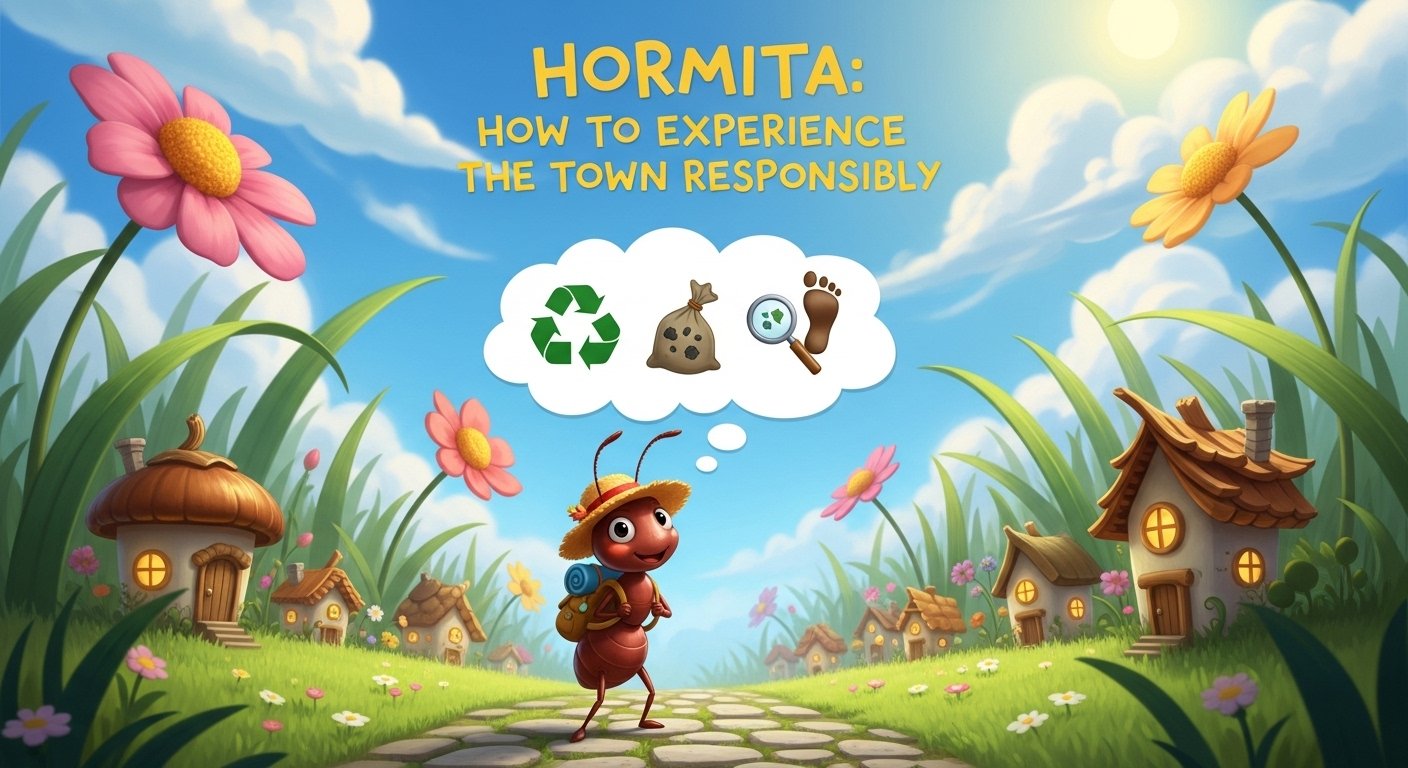
Hormita is a quaint town that embodies both history and nature, inviting travelers to explore its vibrant streets and serene surroundings. Experiencing Hormita responsibly means engaging with its culture, supporting local businesses, and preserving the environment for future generations. From traditional markets to lush green trails, the town offers an array of opportunities for visitors who seek meaningful connections without leaving a negative footprint. Understanding local customs, respecting residents, and making environmentally conscious choices are essential steps for anyone planning a visit to Hormita.
Tourism in Hormita is steadily growing, yet it retains its authentic charm due to community-driven initiatives. Responsible travel in Hormita encourages cultural immersion while protecting natural and historical landmarks. Visitors are increasingly choosing experiences that balance leisure with awareness, ensuring that their presence contributes positively to the town. Sustainable practices, such as eco-friendly accommodations and local guided tours, make it possible to enjoy Hormita while leaving minimal impact. The town’s commitment to preserving its heritage ensures that both residents and visitors can coexist harmoniously.
Discovering the Cultural Heart of Hormita
Hormita’s cultural landscape is rich with festivals, art, and history, offering visitors the chance to experience its heritage firsthand. The town’s local artisans preserve traditional crafts that reflect centuries of artistic evolution. Markets in Hormita showcase handmade pottery, textiles, and culinary delicacies, allowing travelers to engage with the community directly. Supporting these local enterprises not only sustains the economy but also nurtures the continuity of cultural traditions. By observing local etiquette, tourists can enjoy authentic experiences without disrupting the town’s daily life.
Historic landmarks in Hormita tell stories of resilience and creativity, making each visit an educational journey. Town museums and heritage sites provide insights into the social and architectural development of the area. Visitors are encouraged to participate in workshops and guided tours that emphasize respectful observation and learning. Engaging with the cultural heart of Hormita ensures that travel is transformative rather than superficial. The town thrives when tourists interact mindfully, appreciating its heritage while contributing to its preservation.
| Cultural Activity | Description | Responsible Tip |
|---|---|---|
| Artisan Market | Handcrafted goods and souvenirs | Buy locally-made items to support artisans |
| Traditional Workshop | Learn pottery, weaving, or painting | Follow guidance from local instructors |
| Heritage Tour | Explore historic buildings and monuments | Avoid touching delicate structures |
Exploring Natural Wonders in Hormita
Hormita is renowned for its natural landscapes, which range from tranquil forests to rolling hills. Responsible tourism encourages visitors to enjoy these wonders without harming the environment. Trails are designed to minimize ecological disruption, allowing hikers and nature enthusiasts to witness wildlife safely. The town’s riverbanks and parks are maintained through community efforts, reflecting a shared responsibility for the natural ecosystem. Simple actions such as carrying reusable water bottles and avoiding littering significantly reduce environmental impact while exploring Hormita.
Outdoor activities in Hormita offer a unique way to connect with nature while promoting conservation. Birdwatching, guided hikes, and botanical tours are among the sustainable options available. Local guides ensure that visitors understand the importance of preserving habitats and respecting native flora and fauna. By participating in these eco-conscious experiences, travelers contribute to ongoing preservation efforts. Hormita’s natural beauty becomes more meaningful when visitors embrace practices that protect its fragile environments for years to come.
| Nature Spot | Activity | Sustainable Practice |
|---|---|---|
| Forest Trail | Hiking and wildlife observation | Stay on marked trails to avoid disturbing habitats |
| Riverbank | Canoeing and fishing | Use eco-friendly gear and follow local regulations |
| Botanical Garden | Educational tours | Avoid picking plants or removing soil |
Sustainable Dining and Local Cuisine in Hormita
Hormita’s culinary scene is a reflection of its rich agricultural heritage and community values. Restaurants and cafes prioritize fresh, locally sourced ingredients, supporting nearby farms and producers. Dining responsibly in Hormita involves choosing establishments that embrace sustainable practices, such as minimizing food waste and using biodegradable packaging. Tourists can enhance their experience by sampling traditional dishes that are deeply connected to the region’s culture, promoting an appreciation for local gastronomy while reducing environmental impact.
Local markets in Hormita offer an immersive culinary journey, presenting a wide range of fruits, vegetables, spices, and artisanal products. Engaging with vendors provides insight into the town’s agricultural practices and food traditions. Visitors are encouraged to ask questions about ingredients and preparation methods, fostering a sense of connection to the community. Through mindful eating choices and respectful engagement with producers, travelers contribute positively to Hormita’s economic and cultural sustainability, ensuring that local cuisine thrives for generations.
| Dining Experience | Specialty | Responsible Choice |
|---|---|---|
| Farm-to-Table Restaurant | Seasonal dishes with local produce | Choose menu items that highlight seasonal ingredients |
| Street Food Market | Local snacks and beverages | Support vendors who practice hygiene and sustainability |
| Cooking Workshop | Traditional recipes | Participate in waste-reduction practices |
Engaging with the Community in Hormita
Community engagement is central to experiencing Hormita responsibly. Participating in cultural events, volunteering opportunities, and local initiatives allows visitors to create meaningful connections with residents. Respectful interactions foster trust and understanding, making travel more impactful. Tourists who seek authentic experiences are often welcomed by the community, creating opportunities to learn from local perspectives. By supporting educational and social programs, visitors play an active role in enhancing the quality of life in Hormita.
Local organizations in Hormita facilitate sustainable tourism by promoting environmentally and socially conscious projects. Travelers can contribute through workshops, cleanup drives, or donation programs, enhancing community resilience. Understanding local norms and traditions ensures that interactions are respectful and mutually beneficial. Responsible visitors recognize that tourism is a partnership with the community rather than a one-sided experience. By embracing this mindset, Hormita becomes a place where travel benefits both the visitor and the local residents.
| Community Initiative | Activity | Responsible Engagement |
|---|---|---|
| Educational Workshop | Teaching arts or languages | Follow guidelines and collaborate respectfully |
| Cleanup Campaign | Park and river cleanup | Participate actively while respecting local leadership |
| Cultural Festival | Music and dance performances | Observe and support performers without interference |
Practical Tips for Responsible Travel in Hormita
Planning a trip to Hormita responsibly begins with preparation and awareness. Travelers should research local customs, environmental regulations, and accommodation options that prioritize sustainability. Choosing eco-friendly transportation and minimizing energy use during the stay reduces the ecological footprint. Packing reusable items and avoiding single-use plastics helps maintain the cleanliness and health of public spaces. Visitors who approach their journey with mindfulness contribute to the preservation of Hormita’s unique character.
Responsible travel in Hormita also involves patience and respect for local life. Engaging with locals politely, adhering to cultural norms, and avoiding behaviors that disrupt daily routines are essential for a positive experience. Making informed decisions about purchases, activities, and tours ensures that tourism supports rather than undermines community well-being. By incorporating these practices, travelers can enjoy a fulfilling and conscious visit to Hormita, ensuring the town’s sustainability for future generations.
| Travel Tip | Recommendation | Responsible Action |
|---|---|---|
| Accommodation | Choose eco-lodges or sustainable hotels | Check for certifications and energy-saving practices |
| Transportation | Walk, bike, or use public transport | Reduce carbon emissions and traffic impact |
| Souvenir Shopping | Buy locally produced items | Avoid imported mass-produced goods |
Hormita offers a rare blend of cultural richness, natural beauty, and community-driven sustainability. Experiencing the town responsibly ensures that each visit enhances both the traveler’s understanding and the well-being of local residents. From exploring historic sites and lush landscapes to engaging with local artisans and dining sustainably, every action taken with awareness adds value to Hormita. By prioritizing mindful travel, tourists can leave a positive mark that respects the town’s heritage, environment, and people.
Conclusion
Responsible tourism in Hormita is about more than visiting landmarks—it is about fostering a connection that respects both the community and the environment. Choosing sustainable activities, supporting local businesses, and practicing cultural sensitivity allows travelers to immerse themselves fully in the town’s charm. Hormita thrives when visitors embrace responsible behaviors, ensuring that its beauty and traditions remain intact for generations. Every mindful choice contributes to a legacy of tourism that is beneficial, ethical, and enriching for all.
-

 Health1 month ago
Nerovet ai Dentistry: Transforming Diagnosis and Treatment
-

 Social Media2 months ago
Ironmartonline Reviews: What Real Customers Are Saying
-
 Digital Marketing2 months ago
Facwe: The Impact on Modern Digital Communication
-

 business1 month ago
Adswynk com: Revolutionizing Digital Advertising for Small Businesses
-

 Technology1 month ago
Voozon: What Sets It Apart in the Social Media Landscape?
-
 Celebrity2 months ago
Erny Huelke: How His Vision Continues to Inspire Today
-
 Fashion2 months ago
Fapell: Game Changer for Creators and Businesses
-

 Lifestyle1 month ago
Pirate Costume Costume: From Classic Films to Modern Celebrations