History
bảce: A Journey Through the History and Traditions

The concept of bảce represents far more than a single word or practice; it reflects a layered cultural identity shaped by time, geography, and collective memory. Throughout history, has evolved as a symbol of continuity, connecting generations through shared traditions and values. In many societies, bảce has served as a foundation for social interaction, artistic expression, and communal belonging. Understanding requires not only an exploration of its origins but also a deeper appreciation of how it continues to influence modern cultural narratives.
As cultures adapt to changing times, bảce remains a reference point that anchors communities to their heritage. Whether expressed through rituals, craftsmanship, language, or storytelling, the essence of bảce lies in its ability to preserve identity while allowing room for transformation.
The Historical Roots of bảce in Early Civilizations
The earliest traces of bảce can be found in ancient civilizations where tradition played a central role in daily life. Historical records suggest that originated as a communal framework, guiding social norms and collective responsibilities. In agrarian societies, it often dictated seasonal practices, celebrations, and moral codes that ensured harmony within the community.
Archaeological findings indicate that bảce was embedded in early governance systems, influencing how authority was respected and how disputes were resolved. Rather than rigid laws, functioned as a shared understanding passed down orally, reinforcing unity and cooperation.
Timeline of Early Development
| Historical Era | Role of bảce | Cultural Impact |
|---|---|---|
| Ancient Period | Oral tradition and rituals | Strengthened community bonds |
| Medieval Era | Integration into social customs | Preserved cultural identity |
| Pre-Modern Age | Symbol of heritage | Encouraged continuity |
bảce as a Foundation of Traditional Practices
Traditional practices associated with bảce vary across regions, yet they share common themes of respect, continuity, and symbolism. These practices often appear in ceremonies marking life events such as birth, marriage, and seasonal transitions. Through such customs, reinforces collective memory and shared values.
In many cultures, artisans incorporate motifs inspired by into textiles, architecture, and visual arts. These representations serve as tangible reminders of heritage, allowing traditions to endure beyond spoken language.
The Evolution of bảce Through Cultural Exchange
Cultural exchange has played a significant role in shaping bảce over time. As trade routes expanded and communities interacted, elements of adapted to new influences without losing their core meaning. This adaptability allowed to survive periods of social change and external pressure.
Rather than eroding tradition, cultural interaction often enriched bảce, introducing new interpretations while maintaining respect for its origins. This balance between preservation and adaptation highlights the resilience of as a cultural framework.
Symbolism and Meaning Within bảce Traditions
Symbolism is central to understanding bảce. Objects, colors, and gestures associated with it often carry layered meanings that reflect philosophical beliefs and moral lessons. These symbols serve as educational tools, teaching younger generations about values such as unity, respect, and responsibility. Interpretations of symbolism may vary by region, but the underlying purpose remains consistent: to communicate shared ideals in a form that transcends language barriers.
Common Symbolic Elements
| Symbolic Aspect | Interpretation | Cultural Purpose |
|---|---|---|
| Natural motifs | Connection to the earth | Emphasizes harmony |
| Circular designs | Continuity and unity | Reflects timelessness |
| Traditional colors | Emotional and spiritual meaning | Reinforces identity |
bảce in Oral Traditions and Storytelling
Storytelling has long been one of the most effective ways to preserve bảce. Oral narratives passed from elders to youth often embed lessons about history, ethics, and social conduct. Through stories, becomes a living tradition rather than a static concept. These narratives frequently adapt to contemporary contexts, ensuring relevance while maintaining their original message. This dynamic nature allows to remain meaningful across generations.
The Role of bảce in Community Identity
Community identity is deeply intertwined with bảce. Shared practices and collective memory foster a sense of belonging that strengthens social cohesion. In times of uncertainty, communities often turn to as a source of stability and reassurance. Festivals and communal gatherings centered around reinforce interpersonal connections and reaffirm cultural pride. Such events highlight the importance of tradition in maintaining social harmony.
bảce and Its Influence on Art and Expression
Artistic expression provides a powerful medium for showcasing bảce. From music and dance to visual arts, creative forms capture the emotional depth and historical significance of tradition. Artists often reinterpret through modern techniques, creating a dialogue between past and present. This fusion of tradition and innovation ensures that remains accessible to younger audiences while honoring its roots.
Modern Interpretations of bảce in Contemporary Society
In today’s globalized world, bảce continues to evolve. Modern interpretations often emphasize inclusivity and cultural awareness, adapting traditional values to contemporary lifestyles. While technology and urbanization have transformed social structures, still provides a framework for ethical behavior and cultural continuity.
Educational institutions and cultural organizations increasingly recognize the importance of preserving, incorporating it into curricula and public initiatives.
Challenges in Preserving bảce Traditions
Despite its resilience, bảce faces challenges in the modern era. Rapid globalization and cultural homogenization can dilute traditional practices. Younger generations may struggle to connect with customs that seem distant from their daily experiences.
Addressing these challenges requires thoughtful preservation strategies that balance authenticity with adaptability. Community engagement and education play vital roles in sustaining for future generations.
The Future of bảce in a Changing World
The future of bảce depends on its ability to remain relevant while honoring its origins. By embracing cultural dialogue and innovation, can continue to thrive as a living tradition. Its enduring values offer guidance in navigating social change and fostering mutual understanding. As societies seek meaningful connections in an increasingly digital world, stands as a reminder of the power of tradition to unite and inspire.
Conclusion
The journey through the history and traditions of bảce reveals a rich tapestry of cultural significance, resilience, and adaptability. From its ancient roots to its modern interpretations, embodies the collective spirit of communities bound by shared values and memory. By preserving and reimagining this tradition, societies ensure that remains a vital force shaping identity, creativity, and social harmony for generations to come.

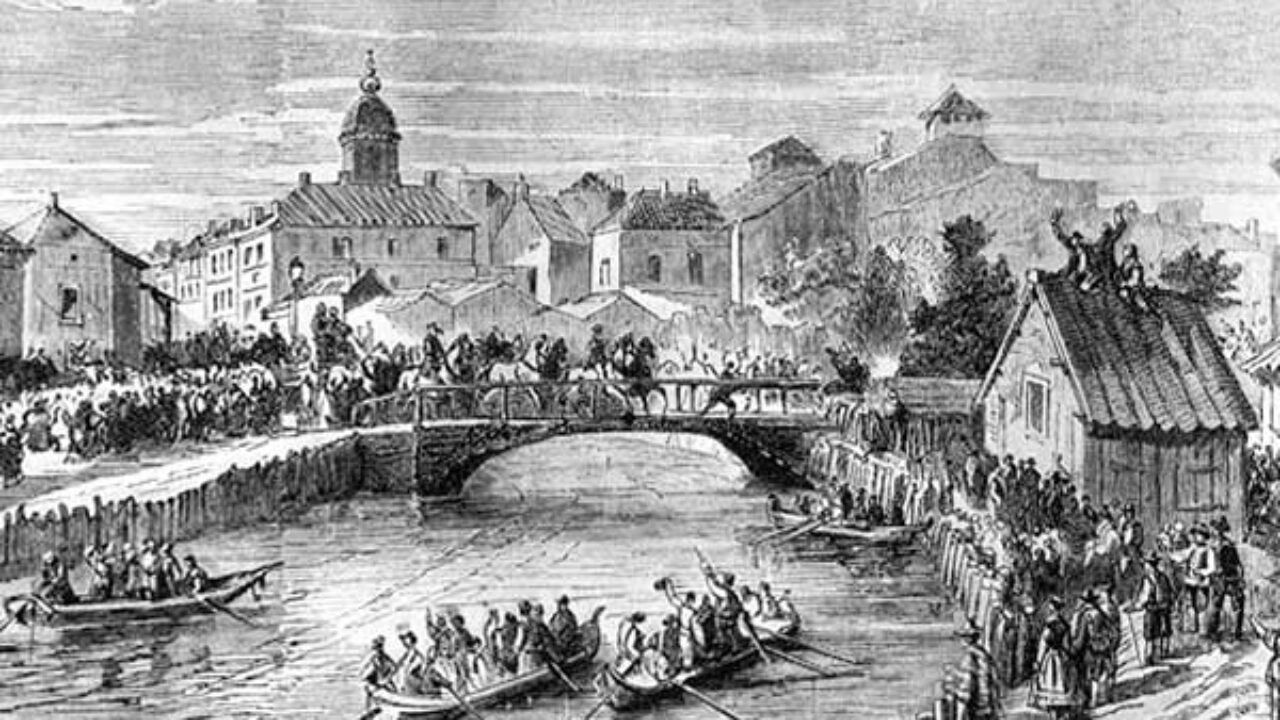
The history of Eastern Europe is rich with principality formations that influenced modern nation-states, and among them, княжество валахия stands as a cornerstone in Romania’s development. Established centuries ago, княжество валахия served not only as a political entity but also as a cultural beacon that preserved Romanian traditions, language, and identity. Its influence extended beyond local borders, interacting with the Ottoman Empire, neighboring Moldavia, and Transylvania, creating a unique tapestry of geopolitical significance. Understanding княжество валахия is essential to appreciating the modern state of Romania, both in terms of its territorial integrity and its socio-cultural evolution.
Historical Foundations of княжество валахия
The origins of княжество валахия can be traced back to the early Middle Ages when tribal communities sought centralized governance to protect themselves from invasions and political fragmentation. Historical records indicate that the region became a recognized principality around the 14th century, with rulers such as Basarab I consolidating power and establishing a structured political system. The strategic location of княжество валахия between the Carpathian Mountains and the Danube River allowed it to become a hub for trade and military campaigns. This positioning was not merely geographic; it shaped the principality’s diplomacy, economy, and cultural exchange.
The early rulers of княжество валахия prioritized autonomy while navigating the pressures of larger empires. They implemented legal codes and administrative frameworks that later served as blueprints for modern Romanian governance. Social structures developed within the principality, including a feudal system that dictated land ownership and social hierarchy. Yet, княжество валахия also fostered a sense of national identity among its inhabitants, which was critical in unifying various Romanian-speaking communities under a shared cultural vision.
Cultural and Religious Significance
княжество валахия was not only a political entity but also a cultural cradle that significantly contributed to Romanian heritage. The Orthodox Church played a central role in the principality, influencing art, literature, and education. Monasteries and churches became centers of learning and manuscript preservation, ensuring the survival of Romanian language and traditions through turbulent historical periods.
Literature in княжество валахия often reflected the themes of heroism, national identity, and resistance against foreign dominance. Folk tales and songs from this era remain integral to Romanian cultural consciousness, illustrating the principality’s enduring influence. In addition, architecture from княжество валахия showcases a blend of Byzantine, Ottoman, and local styles, which collectively shaped the visual identity of modern Romania.
A historical table below summarizes some key cultural milestones:
| Century | Cultural Development | Key Figures |
|---|---|---|
| 14th | Establishment of Orthodox Monasteries | Basarab I |
| 15th | Manuscript preservation and chronicling history | Vlad II Dracul |
| 16th | Introduction of architectural blending of styles | Matei Basarab |
| 17th | Development of legal codes and education | Constantin Brâncoveanu |
Political Evolution and Governance
The political structure of княжество валахия evolved significantly over centuries. Initially dominated by local nobility, the principality gradually centralized power under voivodes, who acted as both military leaders and governors. The legal frameworks introduced during this period emphasized justice, land rights, and succession rules, many of which laid the groundwork for Romania’s contemporary legal system.
Relations with neighboring states were complex. княжество валахия maintained alliances and rivalries with Moldavia, Transylvania, and the Ottoman Empire, adapting its diplomacy to survive periods of conflict. Treaties and vassal agreements shaped the principality’s sovereignty and influenced its economic strategies. Trade along the Danube, facilitated by княжество валахия’s strategic positioning, strengthened its economy and allowed for cultural exchange with other European territories.
княжество валахия and Modern Romanian Identity
The legacy of княжество валахия is most visible in the formation of modern Romania. By the 19th century, nationalist movements invoked the historical significance of to inspire political unification with Moldavia. Leaders and intellectuals looked to history as proof of Romanian resilience, governance, and cultural richness. The principality’s traditions, legal codes, and cultural artifacts provided the blueprint for modern institutions and social norms.
Nationalism, education reforms, and literary revival in 19th-century Romania drew heavily from княжество валахия’s history. Figures like Alexandru Ioan Cuza used the principality’s legacy to justify modernization and administrative centralization. The collective memory of contributed to a shared sense of national pride, bridging historical divisions between Romanian-speaking regions.
A table illustrating the influence on modern Romania:
| Aspect | Influence from княжество валахия | Modern Outcome |
|---|---|---|
| Legal | Feudal law codification | Romanian civil law |
| Religion | Orthodox traditions | Cultural preservation |
| Politics | Voivode governance | Modern governmental structure |
| Culture | Literature and arts | National identity and education |
Challenges and Conflicts
Despite its achievements, княжество валахия faced significant challenges. Constant threats from Ottoman expansion, internal noble conflicts, and regional rivalries tested the principality’s resilience. Periods of foreign occupation introduced cultural and administrative changes, but consistently reclaimed autonomy, illustrating the strength of its institutions and the determination of its people.
Military strategies from this era remain studied for their ingenuity. The principality’s leaders balanced diplomacy with defense, often using alliances and fortifications to preserve sovereignty. These lessons contributed to Romania’s ability to navigate 19th- and 20th-century geopolitical transformations.
Economic Contributions of княжество валахия
Economically, княжество валахия leveraged its fertile plains, forested lands, and strategic trade routes. Agriculture, particularly cereal and wine production, supported both local sustenance and export trade. Craftsmen, merchants, and local industries flourished in urban centers, contributing to a vibrant economy that sustained the principality through challenging periods.
Trade relations extended beyond immediate neighbors, reaching Central and Western Europe. This economic activity enabled to finance cultural projects, military defenses, and public infrastructure, reinforcing the principality’s role as a regional power.
Conclusion
In summary, княжество валахия played a pivotal role in shaping the political, cultural, and social fabric of modern Romania. Its historical experiences ranging from governance, diplomacy, cultural preservation, and economic strategies provided the foundations upon which contemporary Romanian identity was built. By studying, we gain a deeper appreciation for the resilience, creativity, and vision of the Romanian people throughout history.
The principality’s legacy continues to influence modern Romania in law, culture, education, and national consciousness. From its medieval origins to its enduring imprint on contemporary society, remains an essential subject for anyone seeking to understand the evolution of Eastern Europe and the formation of modern nation-states.
-

 Health1 month ago
Nerovet ai Dentistry: Transforming Diagnosis and Treatment
-

 Social Media2 months ago
Ironmartonline Reviews: What Real Customers Are Saying
-
 Digital Marketing2 months ago
Facwe: The Impact on Modern Digital Communication
-

 business1 month ago
Adswynk com: Revolutionizing Digital Advertising for Small Businesses
-

 Technology1 month ago
Voozon: What Sets It Apart in the Social Media Landscape?
-
 Celebrity2 months ago
Erny Huelke: How His Vision Continues to Inspire Today
-
 Fashion2 months ago
Fapell: Game Changer for Creators and Businesses
-

 Lifestyle1 month ago
Pirate Costume Costume: From Classic Films to Modern Celebrations