
Technology
Kovových: How Technology is Reshaping Metal Fabrication


The metal fabrication industry has experienced a remarkable transformation over the last few decades, and the concept of Kovových has become closely associated with this technological evolution. Traditionally, metal fabrication relied heavily on manual labor, mechanical tools, and time-consuming processes. Today, advanced digital technologies, automation systems, and intelligent machinery are reshaping how metals are designed, processed, and assembled. Kovových reflects this shift toward a smarter, more efficient fabrication ecosystem where precision, speed, and sustainability work together.
In modern manufacturing environments, Kovových represents the integration of digital engineering with traditional metalworking expertise. Fabricators now rely on computer-controlled systems, advanced robotics, and smart analytics to optimize production workflows. This approach enables manufacturers to produce complex metal components with unprecedented accuracy while minimizing waste and operational costs. As industries such as construction, automotive manufacturing, and aerospace continue to grow, Kovových-driven technologies are playing a crucial role in shaping the future of metal fabrication worldwide.
Kovových and the Evolution of Metal Fabrication Technology
The evolution of metal fabrication technologies has been closely linked to the rise of Kovových principles in manufacturing. In earlier eras, craftsmen depended on mechanical presses, hand tools, and manual measurement methods to shape metal structures. While these techniques laid the foundation for modern industry, they often resulted in slower production cycles and inconsistencies in finished products. With the introduction of computer-aided manufacturing systems, the Kovových approach began to redefine how fabrication facilities operate.
Today’s fabrication plants utilize advanced technologies such as CNC machining, automated cutting systems, and digital design platforms to streamline operations. These tools allow engineers to create precise digital models and instantly translate them into manufacturing instructions for machines. Kovových emphasizes the importance of combining digital design capabilities with advanced fabrication machinery, enabling companies to maintain higher productivity levels while ensuring consistent product quality in every stage of the manufacturing process.
The Role of Automation in Kovových Metal Fabrication
Automation has become one of the most influential factors in the Kovových transformation of the metal fabrication sector. Robotic arms, automated welding stations, and programmable cutting machines are increasingly replacing manual labor in repetitive and high-precision tasks. By automating these processes, manufacturers can significantly reduce human error, improve worker safety, and accelerate production timelines. Automation also allows fabrication facilities to operate continuously, leading to higher output and improved operational efficiency.
Another important aspect of automation in Kovových environments is the integration of smart monitoring systems. Sensors and machine-learning algorithms can analyze production data in real time, detecting potential equipment issues before they lead to costly downtime. This predictive maintenance capability helps companies optimize their machinery performance and extend the lifespan of critical equipment. As automation technology continues to evolve, Kovových manufacturing systems are expected to become even more intelligent and responsive to production demands.
Kovových and the Impact of Digital Design Tools
Digital design tools have become a cornerstone of Kovových-driven fabrication workflows. Engineers now rely on sophisticated software to create detailed three-dimensional models of metal components before they are manufactured. These digital prototypes allow designers to test structural integrity, simulate real-world conditions, and identify potential design flaws long before production begins. This capability significantly reduces material waste and ensures that final products meet precise engineering standards.
In addition to improving design accuracy, digital platforms also enhance collaboration among teams involved in fabrication projects. Designers, engineers, and machine operators can all access the same digital models and production data, enabling seamless communication throughout the manufacturing process. Kovových emphasizes this collaborative approach, where technology bridges the gap between design and fabrication, ultimately leading to faster project completion and improved product quality.
Key Technologies Driving Kovových Metal Fabrication
Several cutting-edge technologies are driving the Kovových transformation in modern fabrication facilities. These technologies enhance production speed, improve accuracy, and allow manufacturers to produce complex metal structures that were once difficult or impossible to create. The following table highlights some of the most influential technologies used in Kovových-based metal fabrication systems.
| Technology | Function in Fabrication | Benefits |
|---|---|---|
| CNC Machining | Computer-controlled cutting and shaping of metal | High precision and repeatability |
| Laser Cutting | Uses laser beams to cut metal sheets | Clean edges and minimal waste |
| Robotic Welding | Automated welding performed by robots | Consistent weld quality |
| 3D Metal Printing | Additive manufacturing using metal powders | Complex design capability |
| Smart Sensors | Monitor machine performance and production | Predictive maintenance |
These technologies work together to create highly efficient fabrication environments. Kovových systems rely on the integration of these innovations to deliver faster production cycles while maintaining exceptional levels of accuracy and reliability in finished components.
Kovových and Smart Manufacturing Systems
Smart manufacturing systems have become a defining characteristic of Kovových production facilities. These systems rely on interconnected machines, data analytics, and cloud-based platforms to manage manufacturing processes more efficiently. By collecting and analyzing operational data, manufacturers can gain valuable insights into equipment performance, material usage, and production bottlenecks. This information helps companies optimize their workflows and make more informed strategic decisions.
Another important advantage of smart manufacturing within Kovových frameworks is improved flexibility in production. Traditional fabrication lines were often designed to produce a limited range of products. However, modern smart systems can quickly adapt to new designs and production requirements. This flexibility allows manufacturers to respond rapidly to market demands while maintaining high standards of quality and efficiency.
Environmental Sustainability in Kovových Fabrication
Environmental sustainability has become a major focus in modern metal fabrication, and Kovových technologies are helping companies reduce their ecological impact. Advanced machinery and digital optimization tools enable manufacturers to use raw materials more efficiently, reducing waste generated during cutting, shaping, and assembly processes. Improved energy-efficient equipment also lowers electricity consumption, which contributes to more sustainable production practices.
Recycling and material recovery systems are another important component of environmentally responsible Kovových fabrication. Many fabrication facilities now collect and recycle metal scraps generated during manufacturing, transforming them into reusable raw materials. This circular approach to resource management helps reduce the demand for newly mined metals while supporting global sustainability initiatives across the industrial sector.
Kovových and the Future of the Metal Fabrication Industry
The future of the metal fabrication industry is closely tied to the continued development of Kovových technologies. Emerging innovations such as artificial intelligence, digital twins, and advanced robotics are expected to further revolutionize manufacturing processes. These technologies will allow companies to simulate entire production lines, identify inefficiencies, and optimize operations before actual manufacturing begins. As a result, fabrication facilities will become more efficient, agile, and capable of producing highly customized metal products.
Another significant trend shaping the future of Kovových fabrication is the rise of global collaboration. With digital platforms and cloud-based design systems, engineers and manufacturers from different parts of the world can work together on complex fabrication projects. This global connectivity encourages knowledge sharing, accelerates technological innovation, and helps the metal fabrication industry evolve toward smarter and more sustainable manufacturing practices.
Conclusion
The transformation of metal fabrication through Kovových technologies demonstrates how innovation can reshape an entire industry. By integrating automation, digital design tools, smart manufacturing systems, and sustainable practices, modern fabrication facilities are achieving levels of efficiency and precision that were once unimaginable. These advancements are enabling manufacturers to produce stronger, lighter, and more complex metal components for industries ranging from construction to aerospace engineering.
As technology continues to advance, Kovových will remain a driving force behind the evolution of metal fabrication. Companies that embrace these innovations will be better positioned to compete in a rapidly changing industrial landscape. By combining human expertise with advanced manufacturing technologies, the Kovových approach ensures that the metal fabrication industry continues to move toward a future defined by efficiency, sustainability, and technological excellence.
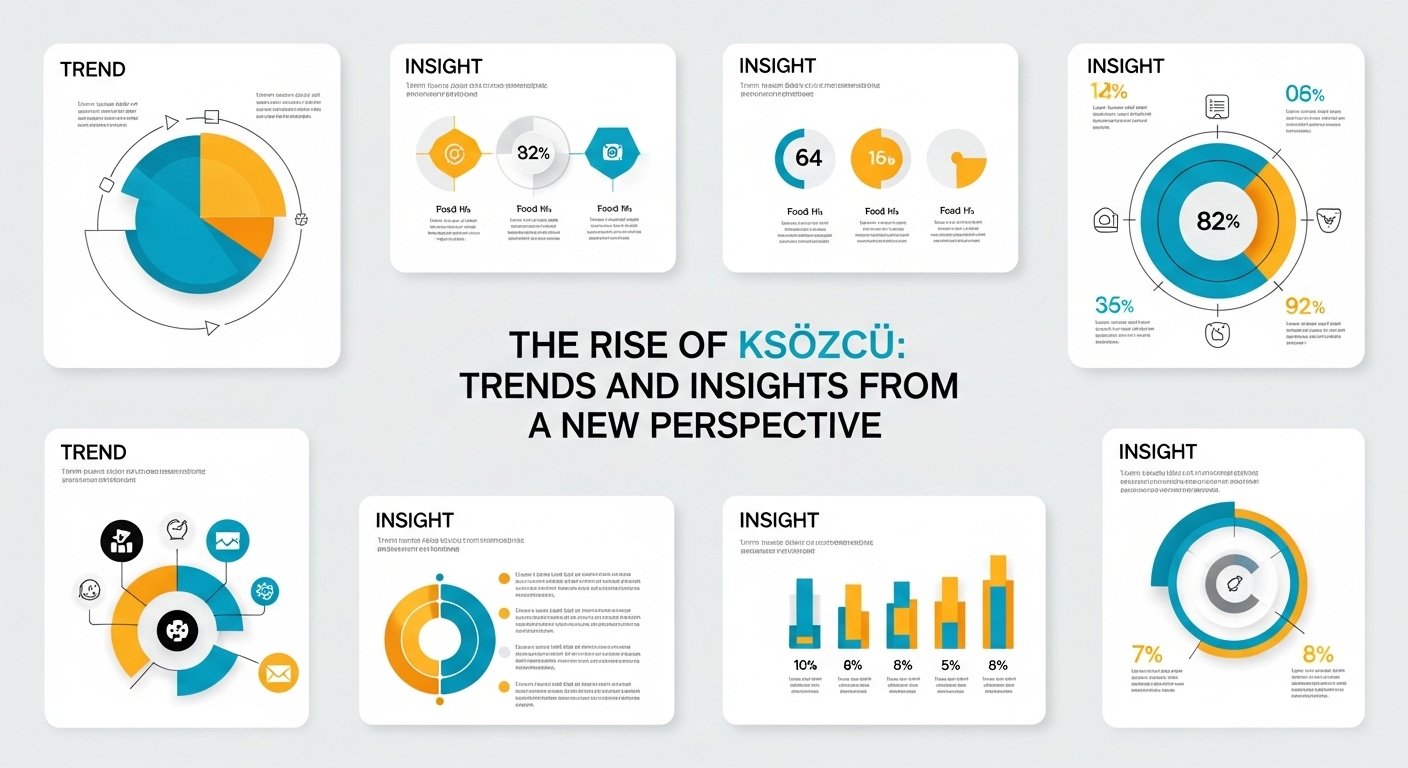
Ksözcü has steadily carved a distinctive niche in the media landscape, capturing the attention of audiences with its unique editorial approach. Its rise is not merely a result of traditional journalism but is closely linked to the evolving expectations of modern readers. In today’s fast-paced digital age, information consumption is immediate, and Ksözcü has adapted by leveraging digital tools to enhance accessibility and engagement. By integrating multimedia content, interactive storytelling, and real-time updates, it has created a platform that resonates with diverse demographics.
The emergence of Ksözcü also reflects a broader trend in global media: the shift from conventional reporting to audience-centric models. Readers are no longer passive consumers; they seek platforms that provide context, insight, and a sense of participation. Ksözcü has capitalized on this shift by delivering content that combines reliability with accessibility. Its editorial strategies focus on both local and international perspectives, enabling readers to understand complex topics with clarity. The result is a media outlet that thrives on credibility while embracing innovation.
Digital Strategies Driving Ksözcü’s Growth
The rapid growth of Ksözcü can largely be attributed to its digital-first strategy. By prioritizing online platforms and social media engagement, Ksözcü has effectively expanded its reach beyond traditional boundaries. This approach not only increases readership but also allows for real-time feedback and interaction, which further strengthens its brand loyalty. Digital analytics play a key role in shaping content strategies, ensuring that the publication aligns with audience interests and emerging trends.
Another critical factor in Ksözcü’s digital strategy is the optimization of content for mobile devices. With a growing percentage of readers accessing news through smartphones and tablets, ensuring seamless mobile experiences has become essential. The platform also employs search engine optimization techniques, enhancing visibility and discoverability online. By combining technical SEO practices with high-quality content, Ksözcü ensures that it remains a relevant and authoritative voice in the competitive media landscape.
Content Diversity and Audience Engagement
Ksözcü has distinguished itself by embracing content diversity, catering to a wide spectrum of audience preferences. From political analysis and economic insights to cultural commentary and lifestyle features, the platform covers a broad range of topics. This diversity ensures that it appeals to different segments while maintaining consistency in quality and reliability. Moreover, the use of multimedia, such as videos, infographics, and interactive charts, enhances audience engagement and comprehension.
Audience interaction is central to Ksözcü’s editorial philosophy. By integrating comment sections, social media sharing, and interactive polls, the platform fosters a sense of community. This participatory approach not only deepens reader engagement but also provides valuable feedback for content development. Readers feel heard and involved, creating a feedback loop that informs editorial decisions. The result is a dynamic platform that continually evolves to meet the expectations of its audience.
Ksözcü in the Context of Media Trends
In the context of broader media trends, Ksözcü exemplifies the shift toward digital transformation and personalized content experiences. Traditional print publications face declining readership, whereas platforms like Ksözcü embrace digital tools to stay relevant. Artificial intelligence, content analytics, and personalized recommendation engines are now key components of the modern media strategy, allowing platforms to tailor content to individual preferences.
Ksözcü also reflects a trend toward transparency and accountability in journalism. With audiences increasingly scrutinizing media credibility, it is essential to maintain accuracy and impartiality. Ksözcü’s commitment to thorough reporting and fact-checking positions it as a trusted source in an era of misinformation. Its strategic balance of speed, accuracy, and engagement has set a benchmark for contemporary media practices.
The Impact of Ksözcü on Society
The societal impact of Ksözcü extends beyond information dissemination. By providing critical insights into political, economic, and cultural developments, it shapes public discourse and fosters informed decision-making. Its role in highlighting emerging trends and societal issues enables readers to stay connected with global developments while understanding local implications.
Furthermore, Ksözcü’s focus on transparency and civic engagement empowers audiences to participate meaningfully in democratic processes. By providing data-driven reports and investigative journalism, it cultivates awareness and critical thinking. This influence contributes to a more informed and active citizenry, reinforcing the essential role of media in modern society.
Economic and Technological Implications
Ksözcü’s growth has implications for both the media economy and technological innovation. On one hand, it demonstrates how digital-first media models can generate revenue through subscriptions, advertising, and partnerships. This approach reduces dependency on traditional revenue streams and allows for more flexible, sustainable growth.
Technologically, Ksözcü leverages data analytics, AI-driven content curation, and responsive web design to enhance user experience. These innovations not only optimize operational efficiency but also provide readers with personalized and timely information. As technology continues to evolve, Ksözcü’s adaptability ensures that it remains at the forefront of media innovation.
Future Prospects and Emerging Opportunities
Looking ahead, Ksözcü is poised to expand its influence further by exploring new formats and international collaborations. Opportunities exist in podcasting, live-streaming, and immersive storytelling, which can attract younger, tech-savvy audiences. Additionally, partnerships with global media organizations can enhance cross-border content exchange, enriching the diversity of perspectives available to readers.
Sustainability will also play a role in shaping future strategies. By integrating environmentally conscious practices and promoting social responsibility, Ksözcü can strengthen its brand image and align with global values. Continuous investment in technology, content quality, and audience engagement will likely define the next phase of growth for this dynamic platform.
Comparative Analysis with Other Media Platforms
To contextualize Ksözcü’s rise, it is useful to compare its approach with other leading media platforms. Unlike many traditional outlets, Ksözcü emphasizes interactive content and real-time engagement, positioning itself as more agile and responsive. Its editorial policies prioritize accuracy and audience involvement, which strengthens trust and credibility.
The table below illustrates key comparative insights:
| Feature | Ksözcü | Traditional Media | Digital-First Competitors |
|---|---|---|---|
| Content Diversity | High | Moderate | High |
| Audience Engagement | Interactive | Limited | Moderate |
| Digital Accessibility | Fully Optimized | Partially Optimized | Fully Optimized |
| Multimedia Integration | Extensive | Limited | Extensive |
| Transparency and Credibility | Strong | Varies | Moderate |
This comparative framework highlights Ksözcü’s competitive edge in delivering diverse, reliable, and digitally accessible content.
Conclusion
The rise of Ksözcü represents a convergence of editorial integrity, digital innovation, and audience-centric strategies. Its evolution reflects broader shifts in media consumption, where speed, engagement, and reliability are equally important. Ksözcü exemplifies how modern platforms can balance traditional journalistic values with technological advancements to meet the expectations of contemporary audiences.
By maintaining a focus on quality, innovation, and societal impact, Ksözcü serves as a model for future media ventures. Its ongoing growth highlights the importance of adaptability in the digital age and underscores the critical role of media in shaping informed, engaged, and empowered communities. The platform’s trajectory offers valuable lessons for journalists, media executives, and digital strategists alike.

In the rapidly evolving digital landscape, communication platforms have become the backbone of both personal and professional interactions. Kinervus: How is Transforming Communication in the Digital Age has emerged as a frontrunner in this transformation, offering innovative solutions that redefine how people connect. Unlike traditional messaging and collaboration tools, Kinervus focuses on seamless integration, real-time engagement, and intelligent automation. This unique approach allows users to interact more naturally while leveraging the benefits of advanced technology. By prioritizing user experience and flexibility, Kinervus positions itself as a versatile platform for both individual and enterprise communication needs.
Kinervus achieves this transformation by blending multiple communication modes into a unified interface. The platform supports instant messaging, video conferencing, file sharing, and collaborative workspaces, eliminating the need for multiple apps. Moreover, its AI-driven features, such as smart replies and task suggestions, enhance productivity and reduce cognitive load. As organizations increasingly embrace remote work, platforms like Kinervus ensure that teams remain connected, efficient, and engaged. The combination of functionality and ease of use makes it an indispensable tool for navigating the complexities of digital communication.
Revolutionizing Digital Collaboration
Digital collaboration has faced numerous challenges, from fragmented tools to inefficient workflows. Kinervus: How is Transforming Communication in the Digital Age addresses these issues by creating an integrated ecosystem where collaboration is intuitive and seamless. The platform’s ability to centralize communication channels allows teams to focus on project objectives rather than managing disparate tools. Its cloud-based infrastructure ensures that team members can access information anytime, anywhere, enhancing flexibility and reducing delays in decision-making.
Furthermore, Kinervus incorporates intelligent project management features that streamline task tracking and accountability. Team members can assign responsibilities, monitor progress, and communicate updates without leaving the platform. This integration minimizes miscommunication and accelerates project completion. By emphasizing transparency and real-time updates, Kinervus fosters a culture of collaboration where every member feels informed and empowered, ultimately enhancing overall productivity.
Enhancing User Experience with AI Integration
Artificial intelligence plays a crucial role in the evolution of digital communication, and Kinervus leverages this technology to enhance user experience. Features such as predictive text, automated scheduling, and smart notifications simplify daily interactions, allowing users to focus on meaningful communication. Kinervus: How is Transforming Communication in the Digital Age uses AI to anticipate user needs, providing contextual suggestions that reduce response time and improve engagement.
In addition, AI-driven analytics enable organizations to understand communication patterns and optimize workflow. By analyzing message frequency, response times, and collaboration trends, Kinervus helps teams identify areas for improvement and adopt more efficient practices. This proactive approach ensures that communication is not only faster but also more effective, supporting both individual productivity and organizational growth.
Secure and Reliable Communication
Security and reliability are paramount in digital communication, and Kinervus places these priorities at the forefront. The platform employs end-to-end encryption, multi-factor authentication, and regular security audits to safeguard user data. Kinervus: How is Transforming Communication in the Digital Age ensures that sensitive information remains protected, whether it is shared internally within an organization or externally with clients and partners.
Beyond security, Kinervus guarantees high availability and minimal downtime. Its robust infrastructure is designed to handle heavy traffic without compromising performance, providing a consistent and reliable experience. Users can trust that their communication will remain uninterrupted and secure, which is especially critical for businesses operating in high-stakes environments. By combining reliability with strong security measures, Kinervus builds user confidence and fosters long-term adoption.
Bridging Global Communication Gaps
In an increasingly interconnected world, bridging communication gaps across geographies is essential. Kinervus excels in this domain by offering multilingual support, time-zone-aware scheduling, and intuitive collaboration tools. Kinervus: How is Transforming Communication in the Digital Age empowers global teams to work cohesively despite cultural and linguistic differences, enhancing productivity and reducing friction in international projects.
The platform’s real-time translation features and adaptive interfaces ensure that all users, regardless of location, can participate fully in discussions and decision-making. By eliminating language barriers and optimizing cross-border collaboration, Kinervus transforms the way organizations approach global communication. This capability not only enhances efficiency but also strengthens relationships with international partners, promoting a more inclusive and connected digital ecosystem.
Future Prospects of Digital Communication
The future of digital communication will be defined by innovation, adaptability, and user-centric design. Kinervus is at the forefront of this evolution, continuously refining its platform to meet emerging needs. Kinervus: How is Transforming Communication in the Digital Age focuses on integrating emerging technologies such as augmented reality, immersive collaboration tools, and enhanced AI-driven insights to keep users ahead in a competitive landscape.
As communication demands grow more complex, platforms like Kinervus will continue to play a pivotal role in shaping how individuals and organizations interact. By emphasizing seamless integration, robust security, and intelligent automation, Kinervus ensures that digital communication remains efficient, engaging, and future-ready. Its commitment to innovation positions it as a transformative force in the digital era, setting new standards for connectivity and collaboration.
Table: Key Features of Kinervus
| Feature | Description |
|---|---|
| Unified Interface | Combines messaging, video, and file sharing into one platform |
| AI Integration | Smart replies, predictive text, and automated scheduling |
| Security | End-to-end encryption and multi-factor authentication |
| Global Collaboration | Multilingual support and time-zone awareness |
| Cloud Accessibility | Real-time access from any device or location |
| Analytics | Insights on communication patterns and productivity |
Conclusion
In conclusion, Kinervus highlights the platform’s comprehensive approach to redefining digital interaction. By unifying communication channels, integrating AI capabilities, ensuring robust security, and fostering global collaboration, Kinervus sets a new benchmark for modern communication tools. Its emphasis on user experience, efficiency, and innovation positions it as a vital resource for both individuals and organizations navigating the complexities of the digital world.
As we continue to rely on digital communication for work, learning, and social interaction, platforms like Kinervus will play an increasingly central role. By bridging gaps, enhancing productivity, and anticipating user needs, it transforms not just the way we communicate, but also the way we connect, collaborate, and create in the digital age.
Technology
The Prospective Risk Adjustment Coding Alert Accuracy Threshold That Determines Program Success or Failure

Your prospective risk adjustment coding program launches with sophisticated AI analyzing patient data and generating real-time alerts for providers during encounters. The alerts suggest documentation opportunities based on clinical indicators, lab values, and medication patterns.
Six months later, provider engagement is declining. Alert dismissal rates are climbing. Providers complain the system is noisy and unhelpful.
The problem isn’t your AI or your clinical logic. The problem is you didn’t establish and maintain the critical alert accuracy threshold that determines whether providers trust or ignore prospective systems.
Here’s the accuracy threshold that predicts program success and how to measure and maintain it.
The 70% Accuracy Threshold
Research across prospective risk adjustment coding implementations reveals a consistent pattern: provider engagement collapses when alert accuracy drops below 70%.
Alert accuracy means: of the alerts generated, what percentage are clinically appropriate and lead to legitimate documentation additions?
At 80%+ accuracy: Providers trust alerts. Engagement remains high. Completion rates stay above 60%.
At 70-80% accuracy: Providers cautiously trust alerts. Engagement moderate. Completion rates 40-60%.
At 60-70% accuracy: Provider trust declining. Engagement drops. Completion rates 25-40%.
Below 60% accuracy: Providers ignore alerts systematically. Engagement collapses. Completion rates below 20%.
Most organizations launch prospective programs at 75-85% accuracy. Over six months, accuracy degrades to 55-65% as clinical data changes, provider documentation patterns evolve, and alert logic isn’t updated. Provider engagement collapses in parallel with accuracy decline.
The False Positive Cost
Every false positive alert costs provider trust more than true positive alerts build trust.
True positive alert: Provider sees alert suggesting diabetic nephropathy. Provider reviews patient data, confirms nephropathy, documents it. Provider thinks: “Helpful reminder.”
False positive alert: Provider sees alert suggesting CHF. Provider reviews patient data, confirms patient doesn’t have CHF, dismisses alert. Provider thinks: “System doesn’t understand my patient.”
False positives accumulate. After dismissing 10 inappropriate alerts, providers stop trusting all alerts and dismiss reflexively without review.
Organizations that tolerate 40% false positive rates (60% accuracy) discover providers dismissing 90%+ of alerts after three months because trust is destroyed.
The Accuracy Measurement Challenge
Most prospective risk adjustment coding programs don’t systematically measure alert accuracy. They track alerts generated and completion rates but don’t track whether completed alerts were clinically appropriate.
Measuring accuracy requires sampling alerts and clinically evaluating appropriateness:
Pull 100 random alerts from last month. For each alert, clinical review determines: Was the alert clinically appropriate given patient data? Did the provider appropriately complete or appropriately dismiss?
Appropriate completion (true positive): Alert suggested diabetes complications, patient has documented complications, provider documented them.
Appropriate dismissal (true negative): Alert suggested CHF, patient doesn’t have CHF, provider correctly dismissed.
Inappropriate completion (false positive): Alert suggested condition, provider documented it to clear alert despite condition not being clinically present.
Inappropriate dismissal (false negative): Alert suggested condition, patient has condition, provider dismissed without documenting.
Accuracy calculation: (True positives + True negatives) / Total alerts sampled.
Organizations that implement monthly accuracy measurement discover accuracy drift before provider trust collapses.
The Precision Tuning Requirement
Maintaining accuracy above 70% requires continuous precision tuning. Alert logic that worked at launch degrades over time.
Clinical guideline changes: HbA1c threshold for diabetes complications changes. Alert logic using old threshold generates false positives.
Provider documentation pattern evolution: Providers start documenting conditions more completely. Alerts based on prior documentation gaps become redundant.
Population health changes: Medication protocols change. Alert logic based on old protocols generates false positives.
Organizations that tune alert logic quarterly maintain 75-85% accuracy. Organizations that launch and never tune drop to 55-65% accuracy within 12 months.
The Specialty-Specific Calibration
Alert accuracy varies dramatically by specialty. Generic alert logic generates high false positive rates for specialists.
Endocrinologists don’t need alerts about documenting diabetes complications. They already document comprehensively. Alerts suggesting diabetes complications to endocrinologists generate 60%+ false positive rates.
Orthopedic surgeons do need alerts about documenting diabetes complications. They focus on surgical issues and often under-document medical comorbidities. Same alerts generate 25% false positive rates.
Organizations using identical alert logic across all specialties achieve 60% average accuracy. Organizations with specialty-calibrated logic achieve 80% average accuracy.
The Feedback Loop Implementation
Providers should be able to mark alerts as inappropriate. This feedback should drive alert logic improvements.
Provider dismisses CHF alert and marks “patient doesn’t have CHF.” System logs this feedback. After 10 similar dismissals from different providers for similar patients, alert logic is reviewed and refined.
Organizations with provider feedback loops maintain accuracy through continuous improvement. Organizations without feedback loops experience accuracy drift they can’t detect or correct.
What Actually Works for Prospective Risk Adjustment Coding
Maintaining prospective program success requires treating alert accuracy as the primary success metric.
Measure alert accuracy monthly through clinical sampling. Maintain accuracy above 70% through continuous alert logic tuning. Implement specialty-specific calibration to reduce false positives. Create provider feedback mechanisms to identify accuracy problems. Treat accuracy decline as the leading indicator of program failure.
Organizations with thriving prospective risk adjustment coding programs two years after launch are the ones maintaining 75%+ alert accuracy through systematic measurement and tuning. Organizations with collapsed engagement are the ones that launched at 80% accuracy, never measured it again, and drifted to 55% while wondering why providers stopped engaging.
If your prospective program is experiencing declining engagement, measure alert accuracy immediately. If you’re below 70%, you’ve found your problem. Fix accuracy before trying to fix engagement. Engagement follows accuracy automatically.
-

 Health3 weeks ago
Nerovet ai Dentistry: Transforming Diagnosis and Treatment
-
 Digital Marketing1 month ago
Facwe: The Impact on Modern Digital Communication
-

 Social Media1 month ago
Ironmartonline Reviews: What Real Customers Are Saying
-

 Technology3 weeks ago
Voozon: What Sets It Apart in the Social Media Landscape?
-
 Celebrity2 months ago
Erny Huelke: How His Vision Continues to Inspire Today
-

 business3 weeks ago
Adswynk com: Revolutionizing Digital Advertising for Small Businesses
-
 Fashion2 months ago
Fapell: Game Changer for Creators and Businesses
-

 Lifestyle4 weeks ago
Pirate Costume Costume: From Classic Films to Modern Celebrations