
Lifestyle
Hitsujikai Arupaka: A Sustainable Sheep Farming Practices

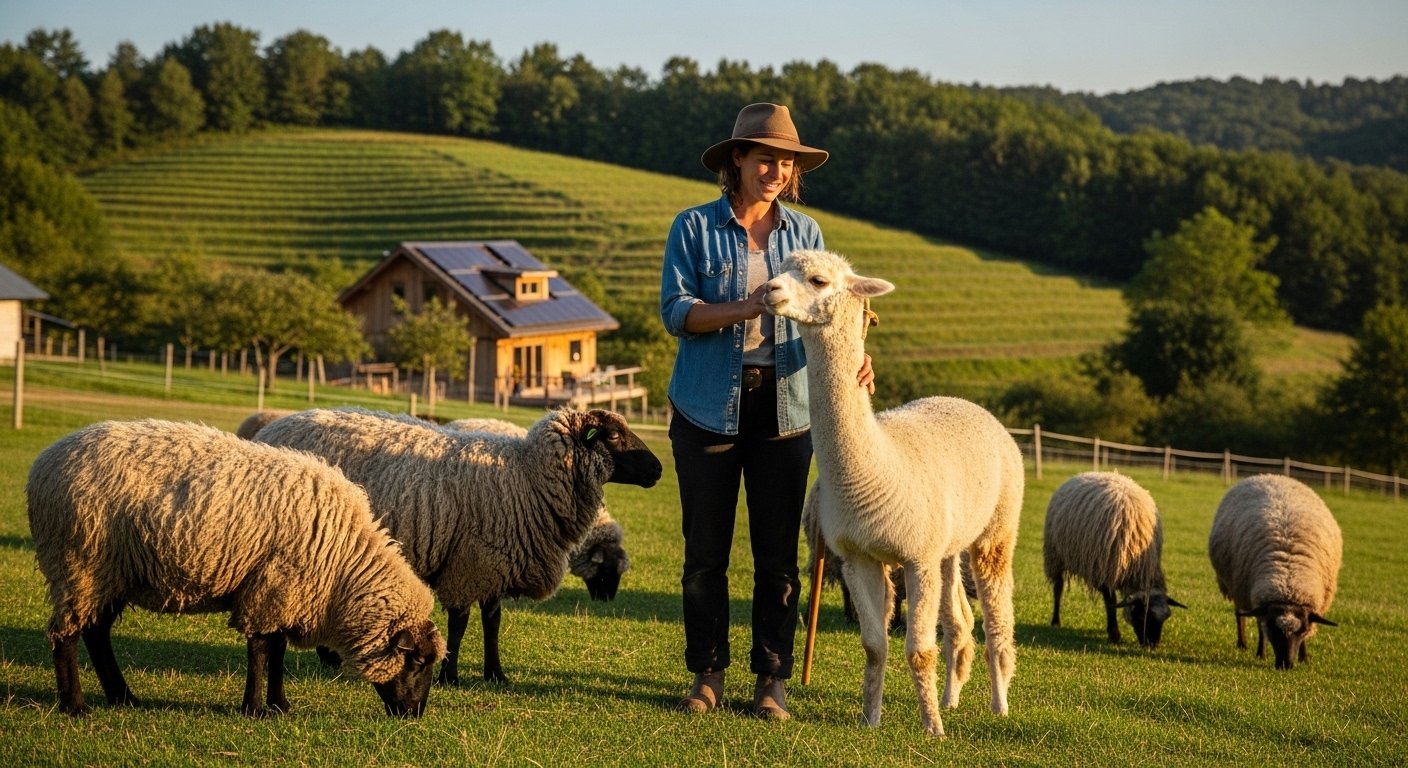
Hitsujikai Arupaka represents a pioneering approach in sustainable sheep farming practices, combining ethical treatment of animals with eco-friendly agricultural methods. In an era where sustainability is no longer optional but essential, has emerged as a benchmark for farmers and agribusinesses alike. This innovative methodology not only ensures the welfare of sheep but also contributes to the health of the surrounding ecosystem. By integrating traditional knowledge with modern techniques, Hitsujikai Arupaka creates a farming environment that prioritizes long-term ecological stability over short-term gains.
The philosophy behind Hitsujikai Arupaka is rooted in balance between productivity and preservation, animal care and natural resource management. Unlike conventional sheep farming, which often focuses solely on output, Hitsujikai Arupaka emphasizes the interconnectedness of soil, vegetation, livestock, and local communities. Farmers adopting this method have reported improvements in soil fertility, reduced dependence on chemical fertilizers, and higher quality wool and meat products.
Historical Background of Hitsujikai Arupaka
The origins of Hitsujikai Arupaka can be traced back to regions where sheep have traditionally played a central role in agriculture. Over decades, farmers observed that maintaining pasture diversity and practicing rotational grazing led to healthier flocks and more resilient ecosystems. Hitsujikai Arupaka builds on these observations, codifying practices that ensure the health of the land while meeting the growing demand for ethically produced wool and sheep meat.
Historically, sheep farming relied heavily on natural pasture cycles and seasonal migration to optimize grazing. With the introduction of industrial farming, many of these practices were abandoned, leading to overgrazing, soil degradation, and increased reliance on feed supplements. Hitsujikai Arupaka revives and modernizes these sustainable practices, promoting long-term ecological balance while remaining economically viable for farmers.
Principles of Hitsujikai Arupaka
Hitsujikai Arupaka revolves around several core principles that distinguish it from conventional farming approaches. Central to these principles is the commitment to animal welfare. Sheep are allowed to graze freely on rotational pastures, reducing stress and enhancing natural behavior. This practice improves not only the quality of life for the animals but also the quality of wool and meat they produce.
Another key principle is land stewardship. Pastures are managed in a way that prevents soil erosion, encourages biodiversity, and maintains natural water cycles. By avoiding chemical fertilizers and pesticides, protects local flora and fauna, ensuring that the land remains productive for future generations. This holistic approach demonstrates that high-quality agricultural production can coexist with environmental responsibility.
The integration of local communities is also essential. Hitsujikai encourages farmers to collaborate, share knowledge, and participate in sustainable practices that benefit the entire region. Such collaboration strengthens local economies and ensures that the benefits of sustainable sheep farming are widely distributed.
Sustainable Grazing Techniques in Hitsujikai Arupaka
A defining feature of Hitsujikai Arupaka is its use of sustainable grazing techniques. Rotational grazing is employed to prevent overgrazing and to encourage natural regrowth of pastures. By dividing land into sections and rotating sheep periodically, farmers maintain healthy soil and balanced vegetation cover. This not only provides the sheep with a diverse and nutritious diet but also improves the resilience of pastures against drought and erosion.
Moreover, mixed-species grazing is occasionally practiced, where sheep graze alongside other livestock such as goats or cattle. This approach minimizes parasite loads and promotes ecological balance. The presence of multiple grazing species contributes to more even nutrient distribution across the land, enhancing soil fertility naturally.
The careful monitoring of pasture health is a constant. Farmers employ soil testing, vegetation surveys, and adaptive management techniques to ensure that the land remains productive without compromising ecological integrity.
Sheep Health and Welfare under Hitsujikai Arupaka
In Hitsujikai Arupaka, the health and welfare of sheep are paramount. Farmers regularly monitor flocks for signs of disease, nutritional deficiencies, and stress. Unlike conventional practices that may rely heavily on antibiotics or growth hormones, emphasizes preventive care. Proper nutrition, rotational grazing, and stress reduction strategies contribute to robust immune systems and long-term animal health.
Sheep are also provided with shelters and shaded areas to protect them from extreme weather conditions. These environmental considerations are integral, demonstrating that animal well-being directly correlates with sustainable production. The practice encourages natural birthing processes and attentive care for lambs, ensuring that young animals grow in healthy and safe conditions.
Environmental Impact of Hitsujikai Arupaka
One of the most significant benefits of Hitsujikai Arupaka is its minimal environmental footprint. By avoiding overgrazing, promoting soil regeneration, and refraining from chemical inputs, this method helps combat soil erosion, water pollution, and biodiversity loss.
A comparative analysis shows that conventional sheep farms often rely on monoculture pastures and synthetic fertilizers, which can degrade soil health over time. Hitsujikai, in contrast, nurtures diverse ecosystems that support not only sheep but also wildlife and beneficial plants. This approach enhances carbon sequestration, reduces greenhouse gas emissions, and contributes to climate resilience.
Table: Environmental Benefits of Hitsujikai Arupaka Compared to Conventional Farming
| Aspect | Hitsujikai Arupaka | Conventional Farming |
|---|---|---|
| Soil Health | Maintained naturally | Often degraded with chemicals |
| Water Management | Sustainable and natural | High water consumption |
| Biodiversity | Encouraged and protected | Frequently reduced |
| Carbon Footprint | Low due to eco-practices | Higher due to intensive inputs |
| Animal Welfare | High | Moderate to low |
This table illustrates the clear advantages, demonstrating how ethical and sustainable practices can outperform conventional methods on multiple fronts.
Economic Viability of Hitsujikai Arupaka
While sustainable practices are often perceived as costly, Hitsujikai Arupaka demonstrates that eco-friendly sheep farming can also be economically viable. By producing high-quality wool and ethically sourced meat, farmers can access premium markets willing to pay higher prices. Furthermore, the reduction in chemical inputs and improved pasture productivity reduce operational costs over time.
Investing in also mitigates risks associated with climate change and soil degradation. Healthy pastures and resilient flocks are less susceptible to environmental shocks, ensuring stable production levels and consistent income for farmers. This approach highlights the synergy between sustainability and profitability, proving that environmental responsibility need not come at the expense of economic success.
Community Engagement and Education in Hitsujikai Arupaka
A critical aspect of Hitsujikai Arupaka is its emphasis on community engagement. Knowledge-sharing programs, workshops, and cooperative initiatives allow farmers to adopt best practices and adapt them to local conditions. Communities benefit from healthier landscapes, improved livestock productivity, and enhanced economic opportunities.
Educational initiatives are also essential for sustaining long-term success. By teaching younger generations about rotational grazing, soil management, and animal welfare, ensures that sustainable sheep farming practices are preserved and refined over time.
Technological Innovations Supporting Hitsujikai Arupaka
While grounded in traditional knowledge, Hitsujikai Arupaka leverages modern technology to optimize sustainable practices. Sensors and satellite imaging help monitor pasture health, water usage, and soil conditions. Digital record-keeping allows farmers to track flock health, breeding cycles, and wool quality efficiently.
These technologies enhance decision-making and allow for precision agriculture practices, reducing waste and maximizing resource efficiency. In this way, bridges the gap between age-old wisdom and modern innovation, ensuring that sustainability is both practical and scalable.
Challenges and Future Outlook
Despite its benefits, implementing Hitsujikai Arupaka presents certain challenges. Transitioning from conventional farming requires initial investment, training, and mindset shifts. Farmers may face difficulties in sourcing premium markets initially and adapting to new grazing schedules.
However, the long-term outlook is promising. Increasing consumer demand for ethically produced wool and meat, coupled with global attention on environmental sustainability, positions as a forward-thinking model. Governments, NGOs, and agricultural cooperatives are increasingly supporting initiatives that align with these principles, providing financial and technical assistance to facilitate adoption.
Conclusion
Hitsujikai Arupaka exemplifies how sustainable sheep farming practices can be both ethical and economically viable. By integrating animal welfare, environmental stewardship, and community engagement, this approach offers a holistic model for the future of agriculture. Farmers adopting not only produce superior wool and meat but also contribute to healthier ecosystems and resilient communities.
The journey of Hitsujikai Arupaka demonstrates that sustainability is not merely a trend but a responsibility one that benefits animals, people, and the planet. As global awareness of ecological issues grows, sets the standard for ethical and sustainable sheep farming practices that are likely to shape the industry for decades to come.
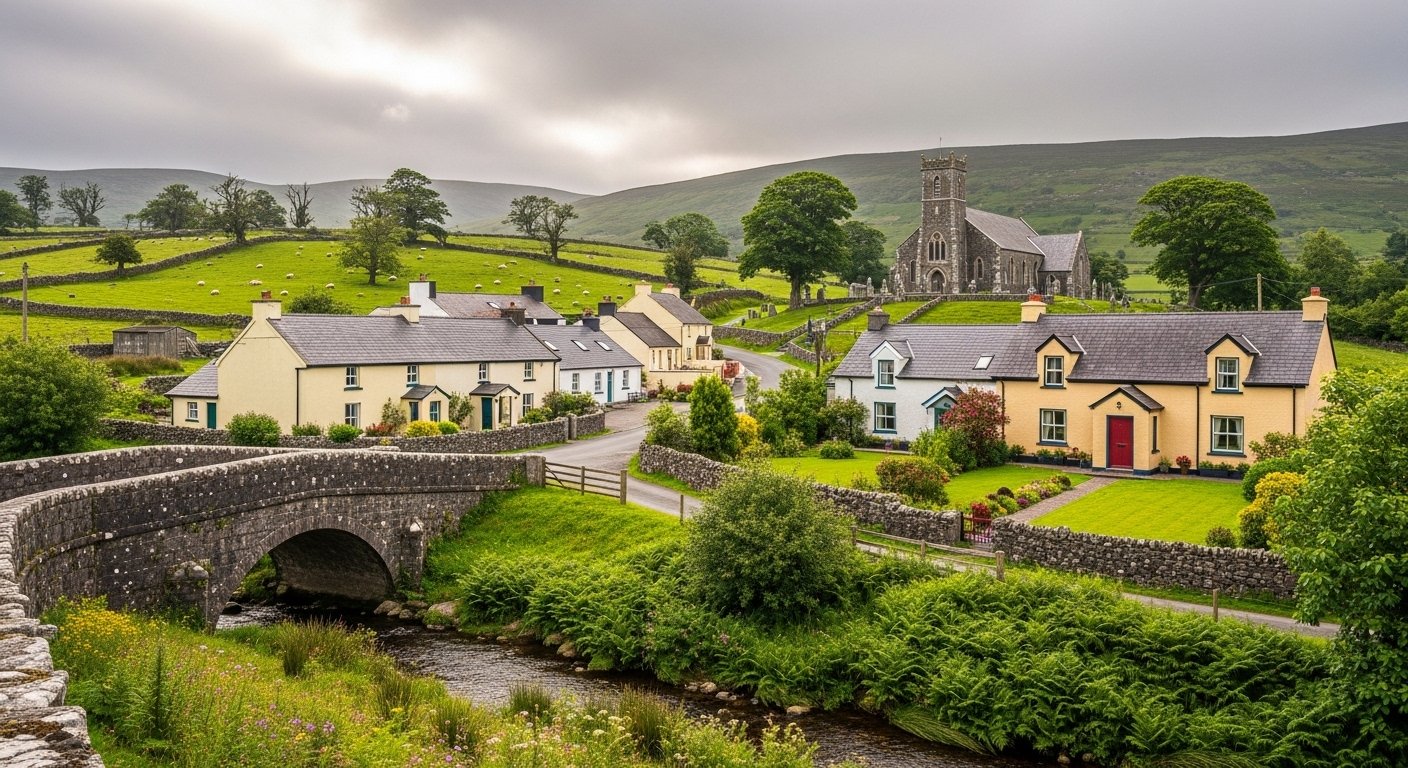
Nestled quietly in the heart of Ireland, Cloone co leitrim is a picturesque village that embodies the tranquil charm of the Irish countryside. Unlike the bustling cities of Dublin or Cork, Cloone offers an escape into serene landscapes, lush greenery, and a rich cultural heritage. Visitors are often captivated by the village’s natural beauty, traditional architecture, and the warmth of the local community. For those seeking an authentic Irish experience away from the typical tourist paths, Cloone co leitrim represents a perfect destination.
Ireland’s countryside is renowned for its rolling hills, sparkling rivers, and historical landmarks, yet few places capture the essence of rural Ireland like Cloone co leitrim. From exploring ancient ruins to walking along scenic trails, every corner of this village tells a story of heritage, resilience, and natural beauty. As tourism in Ireland continues to grow, destinations like remain a treasured secret for travelers who seek immersion in both history and nature.
The Scenic Beauty of Cloone co Leitrim
The landscapes surrounding Cloone co leitrim are a testament to Ireland’s natural allure. The village is surrounded by expansive meadows, serene lakes, and dense woodlands, offering breathtaking views throughout the year. Each season brings a unique charm: the spring blooms paint the fields with color, summer invites leisurely walks along riversides, autumn showcases fiery foliage, and winter blankets the village in a peaceful serenity.
Many travelers are drawn to Cloone co leitrim for its walking trails, which meander through the countryside, offering glimpses of local wildlife and traditional farmlands. Photographers often capture the mist rising over the hills at dawn, a scene that perfectly embodies the quiet magic of rural Ireland. These scenic vistas make the village a haven for those seeking both relaxation and inspiration.
Table: Natural Attractions Around Cloone co Leitrim
| Attraction | Description | Distance from Village Center |
|---|---|---|
| Lough Rynn Gardens | Beautifully landscaped gardens with lakes and walking paths | 8 km |
| Arigna Mining Experience | Historic coal mining museum offering guided tours | 12 km |
| Cuilcagh Mountain | Scenic hiking trails with panoramic views | 25 km |
| Shannon-Erne Waterway | Ideal for boating and kayaking | 10 km |
This table highlights some of the natural attractions near Cloone co leitrim, offering visitors a variety of outdoor experiences that are both enriching and relaxing.
Rich History and Cultural Heritage
Cloone co leitrim is not only a destination for nature lovers; it also has a deep historical and cultural heritage. The village and surrounding areas have been inhabited for centuries, with ancient ruins, churches, and monuments dotting the landscape. Visitors can explore remnants of medieval castles, traditional Irish cottages, and centuries-old stone structures that offer a glimpse into the region’s past.
Local traditions and folklore are integral to the community’s identity. Festivals celebrating music, dance, and agricultural heritage are held throughout the year, allowing visitors to immerse themselves in authentic Irish culture. Cloone co leitrim, with its harmonious blend of history and contemporary village life, showcases the resilience and pride of rural Ireland.
Table: Historical Sites in Cloone co Leitrim
| Site | Era | Notable Features |
|---|---|---|
| Cloone Abbey Ruins | Medieval | Stone carvings, ancient graveyard |
| Drumcoura Ringfort | Early Medieval | Circular stone fortification, archeological significance |
| St. Mary’s Church | 18th Century | Gothic architecture, local religious heritage |
| Arigna Coal Mines | 19th Century | Industrial heritage, guided tours available |
These historical landmarks provide a fascinating journey into Ireland’s past, reflecting the enduring spirit of Cloone co leitrim and its surrounding areas.
Local Cuisine and Hospitality
One of the most memorable aspects of visiting Cloone co leitrim is experiencing its local cuisine. Traditional Irish food is celebrated here with an emphasis on fresh, locally sourced ingredients. Pubs and eateries offer hearty meals such as stew, soda bread, and seafood dishes from nearby rivers and lakes. Visitors are often welcomed with the renowned Irish hospitality, where sharing stories over a warm meal is a cherished tradition.
Food festivals and farmers’ markets in the region provide an opportunity to taste local specialties and connect with the community. From artisanal cheeses to organic produce, allows visitors to savor the essence of Ireland’s culinary heritage.
Table: Popular Dishes in Cloone co Leitrim
| Dish | Ingredients | Special Notes |
|---|---|---|
| Irish Stew | Lamb, potatoes, carrots, onions | Traditional slow-cooked meal |
| Boxty | Potato pancakes | Often served with smoked fish or bacon |
| Soda Bread | Flour, baking soda, buttermilk | Homemade and commonly paired with butter |
| Freshwater Fish | Trout, Salmon | Caught from local rivers and lakes |
The diversity and freshness of local cuisine make Cloone an appealing destination for food enthusiasts looking to explore Ireland beyond urban dining experiences.
Outdoor Activities and Adventure
Beyond its serene landscapes and cultural sites, Cloone co leitrim offers numerous outdoor activities for adventure seekers. Hiking, cycling, fishing, and boating are popular pastimes in the village and surrounding areas. The Shannon-Erne Waterway, in particular, is a hub for boating, kayaking, and fishing enthusiasts.
Cyclists enjoy quiet country roads, scenic loops, and trails that wind through woodlands and farmlands. Birdwatching is also a favorite activity, with a rich variety of native species inhabiting the region. These outdoor experiences not only promote physical activity but also provide a deeper appreciation for the unspoiled beauty of Cloone.
Table: Outdoor Activities in Cloone co Leitrim
| Activity | Best Location | Seasonal Notes |
|---|---|---|
| Hiking | Cuilcagh Mountain | Spring to autumn, mild weather recommended |
| Boating | Shannon-Erne Waterway | Summer months, ideal for kayaking and canoeing |
| Fishing | Lough Rynn and local rivers | Spring and summer, local permits required |
| Cycling | Country lanes and trails | Year-round, weather dependent |
The variety of outdoor options ensures that visitors of all interests can enjoy a memorable experience in Cloone, from tranquil walks to adventurous pursuits.
Accommodations and Staying in Cloone co Leitrim
Visitors to Cloone co leitrim can choose from a range of accommodations, from cozy bed-and-breakfasts to boutique guesthouses. Many lodging options are family-run, offering a personal touch and insight into local life. Staying in the village allows tourists to experience its charm at a leisurely pace, taking time to explore both natural and cultural attractions.
For travelers seeking luxury, some nearby estates and manor houses offer upscale accommodations with stunning views of the countryside. Whether visitors prefer rustic charm or modern comforts, leitrim provides options that suit different preferences and budgets.
Table: Accommodation Options in Cloone co Leitrim
| Accommodation | Type | Notable Features |
|---|---|---|
| Riverside B&B | Bed & Breakfast | Warm hospitality, scenic views |
| Loughside Guesthouse | Guesthouse | Family-run, traditional Irish decor |
| Arigna Manor | Boutique Hotel | Luxury rooms, fine dining, countryside views |
| Self-Catering Cottages | Cottage Rentals | Privacy, fully equipped kitchens, close to hiking trails |
This table highlights the range of accommodations available, emphasizing the blend of comfort and authenticity that makes special.
Events and Community Life
The vibrancy of Cloone co leitrim extends beyond its landscapes and historical sites. Community events, fairs, and local festivals form the heartbeat of the village. Traditional music sessions in local pubs, art exhibitions, and seasonal fairs invite visitors to experience the lively and welcoming community spirit.
Agricultural shows and craft fairs allow local artisans and farmers to showcase their work, offering tourists the chance to engage directly with local culture. The village’s calendar is filled with celebrations that highlight both heritage and creativity, ensuring that visitors experience more than just a scenic getaway they experience life in itself.
Conclusion
Cloone co leitrim is a hidden gem in the Irish countryside, offering a rare combination of natural beauty, rich history, cultural heritage, and warm community life. From scenic walks and outdoor adventures to culinary delights and historical exploration, the village provides an authentic Irish experience for every visitor. Its quiet charm and unspoiled landscapes make it a perfect escape from urban life, inviting travelers to slow down, explore, and immerse themselves in the true essence of Ireland. For anyone seeking a destination that balances relaxation, adventure, and cultural richness, stands as an exemplary choice a place where memories are made, and the spirit of Ireland is felt in every moment.


In a world where cities compete to become smarter, faster, and more digital, there is something quietly radical about places that refuse to rush. Kotora Melnkalne is one of those rare corners of the world where time does not feel like a currency to be spent but a companion to be respected. Tucked away beyond the well-trodden tourist maps, this cluster of stone villages offers more than postcard beauty. It presents a philosophy of living that feels increasingly relevant to entrepreneurs, founders, and tech professionals who spend most of their lives chasing speed.
I first heard about Kotora Melnkalne not through glossy travel magazines, but through a conversation with a product designer who had vanished for six weeks and returned speaking about silence the way others speak about innovation. That contrast is what makes this place fascinating. It is not simply a destination. It is a reminder that progress does not always have to look like glass towers and fiber optics.
A Landscape Built on Stone and Memory
Kotora Melnkalne is defined by its stone architecture, but its character is shaped by what those stones have witnessed. The villages are built almost entirely from locally quarried rock, stacked with a patience that predates modern construction logic. Walls curve rather than rise sharply, doors are low, windows narrow, as if designed to invite humility rather than grandeur.
What strikes visitors most is not the scale, but the cohesion. Homes, pathways, wells, and chapels appear to grow from the same geological root. There is no visual noise here, no clashing styles or hurried renovations. Each structure respects what came before it.
This harmony is not accidental. For generations, building in Kotora Melnkalne followed an unwritten code: use only what the land gives, disturb as little as possible, and leave something for the next hands. In an age obsessed with disruption, this quiet continuity feels almost rebellious.
Why Entrepreneurs Are Drawn to Kotora Melnkalne
It might seem strange that founders and tech leaders are increasingly curious about remote stone villages. Yet that curiosity makes perfect sense.
Many who visit Kotora Melnkalne arrive exhausted by the constant urgency of modern business. They are not looking for faster Wi-Fi or co-working lounges. They are searching for perspective. In these villages, days unfold without notifications. Morning light dictates the pace, not calendar alerts.
What entrepreneurs discover here is not escapism but clarity. When stripped of digital clutter, decision-making becomes simpler. Ideas surface without being forced. Conversations slow down, but deepen. In a culture that celebrates speed, Kotora Melnkalne quietly champions depth.
Several startup founders now include such retreats in their personal routines, not as luxury but as necessity. The silence becomes a strategic asset.
Tradition Meets Quiet Innovation
Despite its ancient appearance, Kotora Melnkalne is not frozen in time. Innovation exists here, just not in the way we usually define it.
Local builders have refined stone techniques that improve insulation naturally, reducing the need for artificial heating or cooling. Farmers use crop rotation methods passed down through centuries that outperform some modern sustainability models. Artisans incorporate subtle modern tools without sacrificing the integrity of their craft.
This balance between tradition and thoughtful modernization offers a powerful lesson. Progress does not require erasing the past. In fact, the past often holds solutions we are only now rediscovering.
For business leaders obsessed with reinvention, Kotora Melnkalne suggests another path: refinement over replacement.
The Economic Pulse of Stone Villages
While tourism has found its way to Kotora Melnkalne, it has not overrun it. There are no towering resorts or mass transit hubs. Instead, the economy thrives on small, resilient systems: family-run guesthouses, craft workshops, seasonal markets, and local agriculture.
Here is a snapshot of how the local economy quietly sustains itself:
| Economic Activity | Role in Local Life | Modern Relevance |
|---|---|---|
| Craftsmanship | Preserves heritage and identity | Aligns with slow-luxury markets |
| Sustainable Farming | Feeds villages and nearby regions | Supports eco-conscious supply |
| Small-Scale Tourism | Brings income without overdevelopment | Model for responsible travel |
| Local Trade Networks | Keeps wealth within the community | Example of circular economy |
For founders exploring ethical business models, this structure is a living case study. It demonstrates that growth does not have to mean expansion at all costs.
What Tech Can Learn from Kotora Melnkalne
At first glance, stone villages and digital startups seem worlds apart. Yet the more time one spends in Kotora Melnkalne, the clearer the parallels become.
The villages operate on systems that are remarkably efficient. Waste is minimal, processes are transparent, and trust replaces bureaucracy. In many ways, this mirrors the ideals behind decentralized technologies and open-source movements.
Even the architecture teaches lessons. Buildings here are modular in spirit, designed to be repaired rather than replaced. That philosophy aligns closely with sustainable software development, where adaptability and long-term maintainability now matter more than flashy launches.
Kotora Melnkalne does not reject technology. It simply refuses to let it dominate. And in doing so, it offers a blueprint for healthier integration between human life and innovation.
The Emotional Geography of the Place
Beyond economics and architecture, there is an emotional dimension to Kotora Melnkalne that is difficult to quantify but impossible to ignore.
Evenings here are marked by long shadows and quiet conversations. There is a communal rhythm that feels almost ceremonial. People greet each other not out of politeness, but recognition. You are seen, even if you are passing through.
For many visitors, especially those from hyper-connected cities, this human-scale living can feel disarming. There is nowhere to hide behind roles or titles. A CEO and a farmer stand equal before a stone well.
This leveling effect is part of what makes the place so powerful. It reminds us that identity does not need constant performance.
Why Kotora Melnkalne Matters Now
We are living through a period where technology promises endless solutions, yet burnout, disconnection, and environmental strain continue to rise. In that context, Kotora Melnkalne is not just charming. It is instructive.
For founders and tech leaders shaping the future, this perspective is invaluable. Innovation without grounding leads to fragility. Innovation rooted in respect leads to endurance.
A Place That Refuses to Be Just a Destination
It would be easy to frame Kotora Melnkalne as a hidden travel gem, but that would miss the point. This is not a place that exists to be consumed. It exists to be understood.
The stone villages do not compete for attention. They wait for curiosity. And in that waiting, they offer something rare: a chance to rethink how we define success, growth, and progress.
For entrepreneurs, tech readers, and founders alike, Kotora Melnkalne is not an escape from the future. It is a quiet guide toward building one that lasts.
Conclusion
Kotora Melnkalne stands as a gentle contradiction to our era of speed. Its villages, carved from stone and shaped by patience, remind us that endurance is often more valuable than acceleration. In a world chasing the next big thing, these hidden settlements offer something far rarer: a vision of continuity, balance, and meaningful progress.
For those willing to look beyond metrics and milestones, Kotora Melnkalne does not promise answers. It offers better questions. And sometimes, that is where real innovation begins.
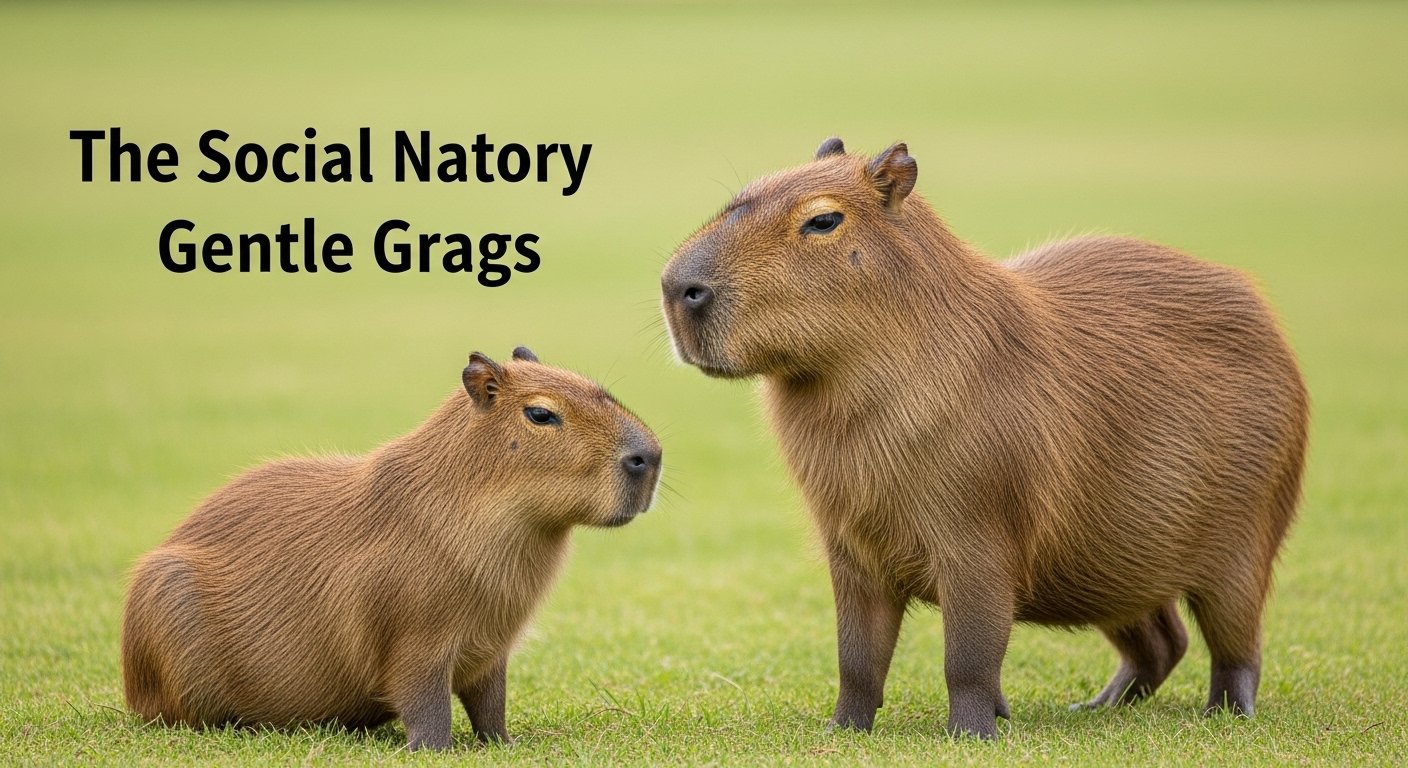
The Capybara pet is gaining popularity among exotic animal enthusiasts, and for good reason. Known as the world’s largest rodent, these gentle giants possess a social nature that makes them truly captivating. Unlike many other animals kept as pets, Capybaras thrive in communities and form deep bonds with both humans and other animals. Their calm demeanor, intelligence, and affectionate tendencies make the Capybara pet a unique companion for those willing to understand its social and environmental needs.
Understanding the Social Nature of a Capybara Pet
A Capybara pet is inherently social, often found in groups in the wild. These groups provide safety, companionship, and social learning opportunities, which are essential for their emotional well-being. When domesticated, Capybaras continue to seek interaction, displaying behaviors such as grooming, vocal communication, and playful interactions with other pets. Their social nature is central to their health, as isolation can lead to stress, anxiety, or depression in these animals.
Unlike solitary pets, the Capybara pet requires consistent engagement, whether from humans or other animals. Families considering a must provide environments that accommodate social interactions, such as ponds, spacious enclosures, and opportunities for bonding with other Capybaras or compatible animals like dogs or ducks. The intelligence of these creatures also makes them responsive to training and social cues, further enhancing the bond between the Capybara pet and its caretakers.
Communication and Behavior of Capybara Pet
Capybaras use a range of vocalizations to express themselves, including purrs, whistles, and barks. The Capybara pet communicates not only to signal distress or hunger but also to strengthen social ties. Grooming and physical closeness are other indicators of their social preferences. Observing these behaviors helps owners understand the emotional state of their and respond appropriately.
Table 1: Common Behaviors of a Capybara Pet and Their Meanings
| Behavior | Meaning | Observation Tips |
|---|---|---|
| Purring | Contentment | Often occurs during petting or grooming |
| Whistling | Communication | Used to call others or signal alert |
| Nuzzling | Affection | Can be towards humans or fellow pets |
| Barking | Alert or Stress | Usually indicates warning or discomfort |
Housing and Environmental Needs
Providing a proper environment is essential for the well-being of a Capybara pet. Unlike conventional pets, Capybaras need access to water for swimming, as well as ample space to move and socialize. Their enclosures should simulate natural habitats, including shallow pools, grassy areas, and shaded regions to prevent overheating. The social environment is equally important; keeping a single alone can result in boredom and behavioral issues.
Maintaining water hygiene is critical, as Capybaras spend significant time in water. Regular cleaning and replenishing of their swimming areas reduce the risk of infections. Additionally, integrating natural vegetation into their space encourages natural foraging behaviors, keeping the mentally stimulated and physically active.
Diet and Nutrition of a Capybara Pet
The Capybara pet has a herbivorous diet, relying on grasses, fresh vegetables, and specialized rodent pellets. A well-balanced diet supports dental health, digestion, and overall vitality. Owners must monitor portion sizes to prevent obesity, a common concern with domesticated Capybaras. Freshwater access is equally essential, both for drinking and swimming purposes.
Table 2: Ideal Diet for a Capybara Pet
| Food Type | Frequency | Notes |
|---|---|---|
| Fresh Grass | Daily | Essential for fiber intake |
| Vegetables | 2–3 times per day | Include leafy greens, squash, carrots |
| Pellets | Limited | Choose high-quality rodent or Capybara-specific pellets |
| Fruits | Occasionally | Treats like apples or berries in moderation |
Social Integration with Humans and Other Pets
The Capybara pet exhibits a remarkable ability to bond with humans. With consistent interaction, Capybaras recognize their caregivers and enjoy gentle handling, play, and even shared activities like swimming. The early socialization of a is key to establishing trust, as these animals are sensitive to abrupt changes in routine or environment.
Compatibility with other pets varies but is often positive with animals such as dogs, cats, and ducks. Careful introductions, monitoring, and understanding of body language help ensure harmonious relationships. The Capybara pet thrives in environments where companionship is readily available, highlighting the importance of considering both human and animal interactions in its care.
Health and Veterinary Care
Maintaining the health of a Capybara pet involves regular veterinary visits, monitoring for parasites, and routine vaccinations when advised by an exotic pet veterinarian. Dental health is a particular concern due to constant tooth growth, making proper diet and chew toys necessary. Preventive care ensures the remains active, social, and free from avoidable diseases.
Table 3: Basic Health Checklist for a Capybara Pet
| Health Aspect | Recommended Care | Frequency |
|---|---|---|
| Veterinary Check-up | Full health assessment | Every 6–12 months |
| Dental Care | Provide chew toys and monitor teeth | Daily observation |
| Parasite Prevention | Use approved treatments | As advised by vet |
| Weight Monitoring | Maintain ideal weight | Weekly |
Behavioral Enrichment and Mental Stimulation
A Capybara pet requires mental enrichment to prevent boredom and promote positive behaviors. Providing puzzle feeders, foraging opportunities, and social interactions stimulates cognitive development. Swim-based games and gentle play sessions mimic natural behaviors, satisfying the instinctual needs.
Interactive enrichment enhances the social nature while fostering a stronger bond with caregivers. Understanding their communication cues and providing appropriate stimulation contributes to a happier, healthier, and more sociable companion.
The Emotional Bond of a Capybara Pet
The gentle disposition of a Capybara pet allows humans to experience a unique form of companionship. Their calm demeanor, combined with social intelligence, results in strong emotional bonds. Owners often describe a sense of calm and joy from observing and interacting with these animals. In return, the benefits from a secure, engaging, and nurturing environment, reinforcing its social instincts.
Table 4: Emotional Benefits of Owning a Capybara Pet
| Benefit | Description | Observation |
|---|---|---|
| Stress Relief | Interaction lowers human stress | Observed in petting or swimming together |
| Companionship | Offers friendship and affection | Bonding during play and grooming |
| Social Learning | Engages in interaction skills | Observed with humans or other pets |
Conclusion
The Capybara pet is more than just an exotic animal; it is a gentle giant with a profound social nature. Understanding its behavioral tendencies, dietary needs, environmental requirements, and communication methods is essential for anyone considering adopting one. From creating a stimulating environment to fostering strong social bonds, caring for a demands commitment but rewards owners with an affectionate, intelligent, and uniquely social companion.
Owning a Capybara pet offers an opportunity to witness firsthand the joy, intelligence, and gentle social interactions that define this remarkable species. With proper care, attention, and respect for their social instincts, the thrives, enriching the lives of those who welcome it into their home.
-

 Health2 weeks ago
Nerovet ai Dentistry: Transforming Diagnosis and Treatment
-
 Digital Marketing1 month ago
Facwe: The Impact on Modern Digital Communication
-

 Social Media3 weeks ago
Ironmartonline Reviews: What Real Customers Are Saying
-
 Celebrity1 month ago
Erny Huelke: How His Vision Continues to Inspire Today
-
 Fashion1 month ago
Fapell: Game Changer for Creators and Businesses
-

 Technology1 week ago
Voozon: What Sets It Apart in the Social Media Landscape?
-

 business1 week ago
Adswynk com: Revolutionizing Digital Advertising for Small Businesses
-

 Technology3 weeks ago
Anon Vault: The Ultimate Solution for Secure Data Storage