
business
EDFvsDRV: Key Differences and Use Cases in Modern Software


In the ever-evolving landscape of software development, understanding the distinctions between various methodologies and frameworks is crucial for creating robust and efficient applications. One topic that has recently gained attention among developers and software architects is EDFvsDRV. These two approaches, while often mentioned together, serve different purposes and are applied in unique contexts within modern software systems. Exploring their differences, advantages, and ideal use cases can provide critical insights for both developers and project managers aiming to optimize system performance.
Understanding EDF and DRV
EDF, or Earliest Deadline First, is a dynamic scheduling algorithm primarily used in real-time systems. It focuses on task prioritization based on deadlines, ensuring that the task with the nearest deadline is executed first. In contrast, DRV, or Dynamic Rate Variation, emphasizes adjusting task execution rates dynamically according to system load or resource availability. While both methodologies aim to optimize system efficiency, they do so through fundamentally different mechanisms.
The distinction between EDF and DRV is essential for software designers who need to balance responsiveness, resource utilization, and predictability. By integrating these strategies appropriately, developers can achieve a more resilient system that adapts effectively to variable workloads.
Key Performance Differences Between EDF and DRV
Performance metrics are critical when choosing between EDF and DRV for software applications. EDF excels in environments where strict timing constraints are paramount, such as embedded systems or real-time operating systems. Its ability to prioritize tasks by deadlines ensures predictable response times and minimizes the likelihood of deadline misses. However, EDF can introduce overhead when task arrival rates are highly variable, and it may require complex scheduling mechanisms for large-scale systems.
DRV, on the other hand, shines in systems where workload and resource availability fluctuate frequently. By dynamically adjusting task rates, DRV can optimize CPU usage, reduce power consumption, and maintain throughput under variable loads. Unlike EDF, DRV focuses less on individual task deadlines and more on overall system efficiency and adaptability.
| Feature | EDF (Earliest Deadline First) | DRV (Dynamic Rate Variation) |
|---|---|---|
| Focus | Task deadlines | Task execution rate and system load |
| Ideal Environment | Real-time systems, embedded applications | Variable load systems, cloud computing |
| Resource Utilization | Can be less efficient under fluctuating loads | Optimizes resource usage dynamically |
| Predictability | High | Medium |
| Complexity | Moderate to high | Low to moderate |
Practical Applications of EDF in Modern Software
The use of EDFvsDRV in practical software scenarios highlights their distinct advantages. EDF is widely applied in real-time operating systems, industrial automation, and aerospace software, where meeting precise timing constraints is non-negotiable. In these contexts, tasks such as sensor monitoring, control loops, and communication protocols require deterministic scheduling. EDF provides a framework that ensures high-priority tasks are completed in time, minimizing risk and enhancing system reliability.
Software developers working with embedded devices or critical infrastructure systems often favor EDF due to its predictability. The scheduling algorithm allows for systematic testing, verification, and optimization of task execution timelines, which is crucial in safety-critical applications. Moreover, EDF integrates well with existing real-time operating systems like FreeRTOS, RTEMS, and VxWorks, offering mature tools and libraries for implementation.
Implementing DRV for Dynamic Software Environments
DRV is more applicable in scenarios where system load and resource availability are unpredictable. Cloud-based applications, large-scale data processing systems, and multimedia streaming services benefit from the flexibility offered by DRV. By dynamically adjusting execution rates, DRV helps prevent bottlenecks, optimizes power consumption, and maintains consistent performance under variable workloads.
For example, a cloud-based video transcoding service may implement DRV to adjust processing rates based on server load and incoming request rates. During peak demand, DRV ensures efficient distribution of resources, while during off-peak periods, it reduces unnecessary CPU usage, leading to cost savings and energy efficiency. In this way, DRV provides adaptive system behavior without the strict timing guarantees that EDF offers.
| Application Sector | EDF Implementation | DRV Implementation |
|---|---|---|
| Embedded Systems | Task control in automotive software | Rate adjustment in IoT devices |
| Aerospace | Flight control systems | Adaptive sensor data handling |
| Cloud Computing | Time-critical transaction scheduling | Load balancing and dynamic scaling |
| Multimedia Processing | Audio/video synchronization | Adaptive streaming rates |
Integrating EDF and DRV in Hybrid Systems
While EDF and DRV have unique strengths, modern software often benefits from hybrid approaches. Combining EDF’s deterministic scheduling with DRV’s dynamic adaptability allows systems to meet strict deadlines while remaining flexible under varying loads. For instance, an industrial IoT system may use EDF to manage critical control signals and DRV for non-critical monitoring tasks. This dual-layer strategy ensures reliability and efficiency without compromising either priority or performance.
Hybrid systems leveraging EDFvsDRV require careful design. Developers must identify which tasks are deadline-critical and which can tolerate flexible execution rates. Once identified, scheduling policies can be implemented to dynamically switch between EDF and DRV modes based on current system conditions. Such integration improves overall system robustness, minimizes downtime, and enhances resource utilization.
Challenges in EDFvsDRV Adoption
Despite their benefits, implementing EDF and DRV is not without challenges. EDF may suffer from scheduling overhead and complexity in systems with large numbers of tasks. DRV, while simpler to implement, can introduce unpredictability in time-sensitive applications. Understanding the trade-offs is critical for software engineers who aim to maximize the benefits of these approaches.
Additionally, testing and validation of EDF and DRV require different strategies. EDF systems demand rigorous deadline verification and timing analysis, whereas DRV systems need continuous monitoring of load variations and system responsiveness. Proper simulation and modeling tools are essential to ensure that implementations of EDFvsDRV meet performance expectations without unintended consequences.
Future Trends in EDFvsDRV Applications
Looking forward, the role of EDFvsDRV in software development is poised to grow. With the increasing prevalence of real-time analytics, autonomous systems, and AI-driven applications, the demand for efficient scheduling and resource management strategies will continue to rise. EDF’s reliability in timing-critical applications will remain valuable, while DRV’s adaptability will be critical in cloud computing, distributed systems, and energy-sensitive environments.
Moreover, advancements in hybrid scheduling frameworks and machine learning-driven scheduling algorithms are likely to enhance EDFvsDRV integration. Intelligent systems may dynamically determine the optimal balance between deadline adherence and resource optimization, further improving system performance in complex and unpredictable scenarios.
Conclusion
Understanding the distinctions and complementary strengths of EDFvsDRV is crucial for modern software developers and system architects. EDF provides deterministic scheduling and is ideal for real-time, safety-critical applications, while DRV offers flexibility and efficiency in dynamic environments. By carefully evaluating system requirements and combining both methodologies when appropriate, developers can achieve robust, adaptive, and high-performing software solutions.
The evolving landscape of software development will continue to demand innovative approaches to task scheduling and resource management. EDFvsDRV, whether implemented separately or in combination, offers powerful tools for meeting these challenges and ensuring that modern software systems operate efficiently under a variety of conditions.

In today’s competitive business landscape, finding a software solution that streamlines operations, enhances productivity, and supports growth is crucial. Software keepho5ll emerges as a transformative tool for businesses of all sizes, offering an intuitive platform that combines efficiency with adaptability. Unlike traditional software solutions that often require extensive training and time-consuming setups, Software keepho5ll provides a seamless experience that aligns with modern business needs, ensuring organizations remain agile and innovative.
The rise of digital transformation has pushed companies to explore tools that not only automate routine tasks but also provide actionable insights. Businesses leveraging Software keepho5ll have witnessed measurable improvements in operational efficiency, reporting accuracy, and team collaboration. Its advanced analytics capabilities allow leaders to make data-driven decisions, fostering a culture of informed strategy rather than reactive management.
Redefining Business Efficiency with Software keepho5ll
Efficiency is the backbone of every successful enterprise, and Software keepho5ll delivers a comprehensive suite of features designed to optimize workflows. From automated scheduling and task management to real-time reporting, this platform reduces the complexity of day-to-day operations. Companies no longer need to juggle multiple tools or rely on fragmented processes; Software keepho5ll centralizes essential functions under a single, intuitive interface.
One of the distinguishing aspects of Software keepho5ll is its adaptability. Businesses in different industries face unique operational challenges, and generic solutions often fall short. The software’s modular design allows organizations to customize features according to their specific needs, ensuring that every team member has access to relevant tools without being overwhelmed by unnecessary functions.
Enhancing Collaboration Across Teams
Team collaboration is a critical component of business success, and Software keepho5ll facilitates seamless communication among employees. Integrated messaging, project tracking, and shared calendars foster transparency and accountability. Employees can access updates in real-time, reducing the lag often associated with traditional email communication.
A table highlighting the collaboration features of Software keepho5ll within a corporate environment illustrates its practical benefits:
| Feature | Description | Impact on Team Productivity |
|---|---|---|
| Real-time Messaging | Enables instant communication among team members | Reduces delays in project execution |
| Shared Project Boards | Tracks task progress across departments | Improves accountability and workflow visibility |
| Integrated Calendar | Schedules meetings and deadlines seamlessly | Enhances time management and planning |
| Document Sharing | Central repository for all files | Ensures easy access and reduces redundancy |
These collaborative features ensure that businesses can operate with greater coherence, making Software keepho5ll an essential tool for companies aiming to achieve a unified work environment.
Data-Driven Decision Making with Software keepho5ll
In the modern business ecosystem, decisions backed by data are far more reliable than intuition alone. Software keepho5ll offers robust analytics and reporting tools that allow businesses to monitor key performance indicators (KPIs) and identify trends over time. From financial reporting to operational metrics, the software’s dashboards provide a comprehensive overview that is both insightful and actionable.
Businesses that adopt Software keepho5ll experience the advantage of predictive insights. The software’s intelligent algorithms analyze historical data to forecast outcomes, helping managers anticipate challenges and adjust strategies proactively. A table summarizing the reporting capabilities of Software keepho5ll demonstrates its value to decision-makers:
| Report Type | Use Case | Business Benefit |
|---|---|---|
| Financial Reports | Revenue, expenditure, and profit tracking | Supports budget planning and cost control |
| Operational Analytics | Workflow efficiency, task completion rates | Identifies bottlenecks and optimizes resources |
| Customer Insights | Purchase patterns, feedback analysis | Enhances marketing strategies and customer retention |
| Employee Performance | Task completion and engagement metrics | Drives team performance and professional growth |
With such extensive capabilities, Software keepho5ll empowers organizations to move from reactive to proactive business management, strengthening overall competitiveness.
Integrating Seamlessly with Existing Systems
One of the key challenges for any business software is integration. Many enterprises struggle with tools that are incompatible with their existing systems, leading to inefficiencies and increased costs. Software keepho5ll is designed for seamless integration, allowing businesses to incorporate the platform alongside existing software with minimal disruption.
Whether it is accounting systems, customer relationship management (CRM) tools, or project management platforms, Software keepho5ll ensures data flows smoothly across all channels. This integration minimizes duplication of effort, reduces errors, and allows teams to focus on high-value activities. The software’s ability to harmonize with current infrastructure makes it a practical solution for businesses seeking to modernize without overhauling their entire IT ecosystem.
Scalability and Future-Ready Solutions
Growth is a constant goal for businesses, and software must scale accordingly. Software keepho5ll supports scalability with flexible architecture that accommodates expanding teams, increased data volumes, and evolving business processes. Companies can start with essential modules and expand functionalities as required, making it a cost-effective solution for both small startups and large enterprises.
The software’s future-ready design ensures that businesses are not only equipped for current needs but are also prepared to adopt emerging technologies. Artificial intelligence (AI) enhancements, cloud-based solutions, and automated workflows are integrated thoughtfully to future-proof operations. A table demonstrating scalability features highlights how Software keepho5ll can grow with a business:
| Feature | Scalability Aspect | Business Advantage |
|---|---|---|
| Modular Architecture | Add or remove features as needed | Cost-effective adaptation to growth |
| Cloud-Based Storage | Handles increasing data volume | Ensures uninterrupted access and flexibility |
| AI-Powered Automation | Adapts to complex workflows | Reduces manual effort and increases accuracy |
| Multi-User Access | Supports expanding teams | Maintains productivity across departments |
By offering scalable solutions, Software keepho5ll ensures businesses can focus on growth without worrying about outgrowing their software capabilities.
Security and Compliance in Modern Business
In an era where data breaches and compliance issues can severely impact a business, security cannot be an afterthought. Software keepho5ll prioritizes robust security protocols, including encryption, access controls, and regular system audits. These measures protect sensitive information, ensuring that businesses meet regulatory requirements and maintain customer trust.
Compliance with industry standards is a critical benefit, especially for sectors such as finance, healthcare, and legal services. By embedding security within its architecture, Software keepho5ll reduces the risk of data loss, legal complications, and reputational damage. The following table outlines key security and compliance features:
| Security Feature | Purpose | Benefit |
|---|---|---|
| Data Encryption | Protects sensitive data at rest and in transit | Prevents unauthorized access |
| Role-Based Access | Restricts system access based on user roles | Enhances accountability and minimizes risk |
| Audit Logs | Tracks user activity and system changes | Supports regulatory compliance and monitoring |
| Backup and Recovery | Ensures data integrity and availability | Minimizes disruption in case of failures |
These features position Software keepho5ll as a reliable and secure platform for businesses that prioritize both efficiency and responsibility.
Cost-Effectiveness and ROI
Investing in software is a strategic decision, and businesses need tangible returns on investment (ROI). Software keepho5ll offers a cost-effective solution by combining multiple functions into a single platform, reducing the need for separate tools. Time saved through automation, enhanced team productivity, and improved decision-making translate into measurable financial benefits.
A table illustrating cost and ROI benefits provides a clear picture:
| Cost Aspect | Impact | ROI Benefit |
|---|---|---|
| Reduced Software Redundancy | Fewer subscriptions for multiple tools | Lower operational expenses |
| Automated Processes | Less manual labor required | Time savings and increased productivity |
| Data-Driven Decisions | Optimized strategies and resource allocation | Increased profitability |
| Scalable Pricing | Adjust subscription according to team size | Cost aligns with business growth |
By optimizing both operations and finances, Software keepho5ll ensures that businesses experience significant value without unnecessary expenditure.
Conclusion
Software keepho5ll stands out as an ultimate business solution due to its comprehensive feature set, seamless integration, collaborative tools, data-driven analytics, robust security, and scalability. It bridges the gap between traditional operational challenges and modern technological solutions, offering a platform that grows with your business while maximizing efficiency and performance.
For organizations aiming to remain competitive in a fast-paced market, adopting Software keepho5ll is not merely an option but a strategic imperative. Its ability to transform workflows, empower teams, and provide actionable insights ensures businesses are well-positioned for sustainable success. As the digital landscape evolves, Software keepho5ll continues to adapt, delivering a future-ready solution for every business need.
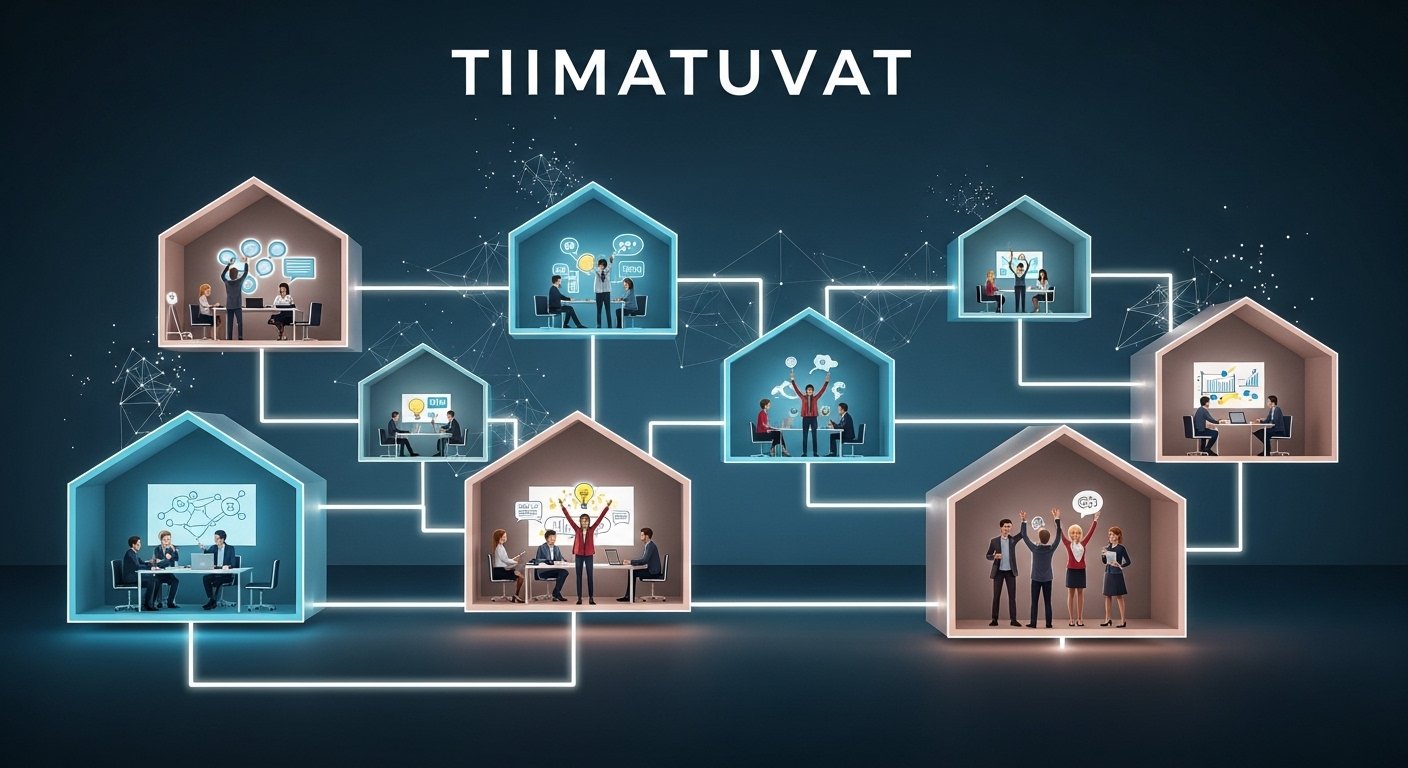
Workplace collaboration has always been a cornerstone of organizational success. In recent years, however, the way teams interact and function has undergone a significant transformation. One of the most innovative approaches to this evolution is Tiimatuvat, a method designed to enhance group dynamics in workplaces, making collaboration more effective, inclusive, and productive. Unlike traditional team management strategies, Tiimatuvat focuses on understanding the underlying behaviors, communication patterns, and cultural nuances within groups, offering a fresh perspective on how teams can thrive in modern work environments.
Understanding the essence of Tiimatuvat requires delving into the science of team interactions. At its core, this methodology emphasizes empathy, active listening, and adaptive collaboration. Workplaces that adopt Tiimatuvat strategies notice a shift in how employees communicate, solve problems, and align with organizational goals. This shift is not just theoretical; companies implementing Tiimatuvat report measurable improvements in employee satisfaction, reduced conflict, and enhanced performance metrics.
How Tiimatuvat Shapes Team Collaboration
The strength of Tiimatuvat lies in its ability to analyze and reshape group dynamics without imposing rigid structures. Teams are encouraged to recognize individual strengths and weaknesses, which fosters a culture of mutual respect and cooperation. Communication, a vital aspect of any collaborative effort, becomes more transparent and constructive under the approach. Employees learn to express ideas openly while also valuing diverse perspectives, ultimately leading to innovative solutions that may not emerge in traditional hierarchical setups.
A comparative view of traditional team structures versus Tiimatuvat-oriented teams reveals key differences in outcomes:
| Feature | Traditional Teams | Tiimatuvat Teams |
|---|---|---|
| Communication Style | Top-down, directive | Collaborative, inclusive |
| Conflict Resolution | Often reactive | Proactive, structured around dialogue |
| Innovation | Moderate, dependent on leadership | High, fueled by diverse input |
| Employee Engagement | Variable | Consistently higher |
From this table, it becomes evident that fosters an environment where employees feel valued and empowered, which in turn strengthens group cohesion.
Implementing Tiimatuvat in Modern Workplaces
Introducing Tiimatuvat in a workplace requires thoughtful planning and continuous monitoring. Initially, organizations may conduct assessments to understand current group dynamics and identify areas of friction. These assessments serve as a foundation for targeted interventions aimed at improving communication, trust, and collaborative problem-solving. Leadership training is often a central component, equipping managers with tools to nurture driven teams effectively.
Moreover, Tiimatuvat emphasizes ongoing feedback loops. Regular check-ins and reflective sessions ensure that team members can share their experiences, address challenges, and adjust behaviors in real time. Such a feedback-oriented culture not only strengthens relationships but also accelerates organizational learning, creating a resilient workforce capable of adapting to change swiftly.
Benefits of Adopting Tiimatuvat
The positive impact of Tiimatuvat on workplaces is multi-dimensional. Beyond enhanced productivity and smoother collaboration, it significantly improves employee morale. Teams operating under principles exhibit a heightened sense of belonging, which reduces turnover and encourages long-term commitment to organizational goals.
In addition, Tiimatuvat offers measurable benefits in performance metrics. A study of companies integrating principles found notable improvements in project completion rates, innovation scores, and inter-departmental collaboration. The structured yet flexible framework allows employees to take ownership of their roles while remaining aligned with broader team objectives.
| Metric | Pre-Tiimatuvat | Post-Tiimatuvat |
|---|---|---|
| Employee Satisfaction | 68% | 89% |
| Project Completion Rate | 74% | 92% |
| Innovation Index | 56 | 81 |
| Inter-department Collaboration | 63% | 87% |
These numbers demonstrate that is not just a theoretical framework but a practical tool that drives tangible results for organizations of all sizes.
Real-World Applications of Tiimatuvat
Across industries, Tiimatuvat has been applied to improve teamwork in both traditional offices and remote work environments. In tech companies, for instance, project teams have used strategies to facilitate smoother cross-functional collaboration, resulting in faster product development cycles. Healthcare organizations have leveraged to enhance interdisciplinary coordination, ensuring better patient outcomes and more efficient care delivery.
Even in creative industries, where collaboration can be challenging due to varying artistic perspectives, Tiimatuvat has provided a framework for constructive debate and collective decision-making. By creating a shared understanding of goals and mutual respect for individual contributions, ensures that creative teams can innovate without conflict stifling their progress.
Future of Group Dynamics with Tiimatuvat
As workplaces evolve, the importance of adaptable team structures becomes increasingly apparent. Tiimatuvat positions itself as a forward-thinking solution, capable of addressing the complexities of modern organizational life. Its emphasis on empathy, flexibility, and constructive communication aligns perfectly with the growing trend of human-centric workplaces.
Organizations that continue to invest in principles are likely to experience sustained growth, higher employee engagement, and a stronger competitive edge. The method’s scalability also makes it suitable for both small startups and large multinational corporations, proving that the benefits of are universal across organizational types and cultures.
Conclusion
In summary, Tiimatuvat represents a paradigm shift in how group dynamics are understood and managed in workplaces. By fostering communication, empathy, and collaborative problem-solving, transforms teams into cohesive, high-performing units. Its measurable benefits, real-world applications, and adaptability make it an indispensable tool for organizations striving to enhance workplace culture and performance.
Embracing is not just about improving productivity; it is about cultivating a culture where employees feel empowered, respected, and motivated to contribute their best work. As workplaces continue to face new challenges and embrace innovative solutions, stands at the forefront, guiding teams toward a more collaborative and successful future.


As renewable energy will become an integral part of modern-day dwellings, solar energy continues to grow as one of the most dependable and sustainable solutions for homes and corporations. However, reaching the most reliable performance from a solar system calls for more than simply putting in panels on a roof. Proper layout, particular planning, and professional setup are crucial to making sure maximum power performance and long-term reliability.
Without interest in those elements, property proprietors may face reduced power output, pointless protection fees, and slower returns on investment. Today’s solar systems integrate superior technology and require a strategic method to supply the full advantages of clean energy. Understanding contemporary practices and leveraging professional understanding can substantially enhance average device performance.
Planning and Assessment for Optimal Output
A well-performing solar machine starts offevolved with a radical evaluation of the property, energy needs, and environmental elements. Strategic planning guarantees that every panel and thing is positioned to generate the maximum amount of strength feasible.
Professional offerings like Solar Installation Services in Norfolk specialise in web page tests, analyzing elements such as roof orientation, shading, and anticipated energy consumption. These insights permit experts to lay out a device tailor-made to the particular needs of the property.
Effective planning also includes financial forecasting, assisting owners in picking additives that offer the pleasant stability of efficiency and fee. Identifying ability incentives, potential financial savings, and long-term benefits in advance ensures that the system promises the predicted return on funding.
Scalability is another consideration. Proper planning anticipates destiny strength requirements, permitting the device to extend as household or enterprise energy needs develop. By forecasting demand, installers can design structures that can be bendy, heading off high-priced modifications later.
Selecting High-Quality Components
Once the device is planned, selecting the proper components is essential for lengthy-time period performance. Efficiency, sturdiness, and reliability vary widely amongst panels, inverters, and other machine components. Selecting the first-class additives guarantees steady strength production over the life of the system.
Using additives encouraged by using Solar Master Pro ensures that panels, inverters, and assisting equipment meet strict industry requirements. High-efficiency panels convert extra sunlight into power, even as dependable inverters ensure clean operation and minimal strength loss.
While fantastic components may come at a barely higher initial price, they lessen protection needs, save you from early failures, and improve the common device’s overall performance. Durable substances additionally enhance protection by using minimizing the risk of electrical problems, overheating, or corrosion.
Compliance and Certification for Efficiency
Solar structures have to adhere to nearby rules and enterprise requirements. Compliance guarantees installations are secure, effective, and eligible for any relevant financial incentives. Properly licensed structures are also less likely to experience performance issues due to fallacious set up or design.
Providers such as Solar Installation Company in Chesapeake focus on navigating those regulatory necessities. They manage allowances, inspectionsand technical certifications, making sure that every device meets local protection and performance standards.
Working with licensed professionals improves standard efficiency. Proper installation techniques, adherence to electric codes, and satisfactory guarantee inspections save you fromromnusual problems along with wrong wiring or flawed panel angles, that could lessen strength output.
Enhancing Performance with Advanced Techniques
Modern solar structures take advantage of advanced technologies and layout techniques that maximize power production. Techniques like actual-time tracking, microinverters, and power optimizers make sure every panel contributes correctly, even below partial shading or variable climate conditions.
NEDES US emphasizes using tracking systems that monitor music machine performance and alert proprietors to any drop in output or machine issues. Early detection allows thesettingt off of corrective measures, preventing prolonged power losses.
Optimizing device layout, wiring, and panel orientation similarly improves efficiency. Advanced planning ensures minimum strength loss due to resistance, shading, or temperature variations. Proper renovation, including normal inspections and cleaning, keeps panels operating at height ability.
Professional Installation for Long-Term Reliability
Even with the exceptional planning and system, poor installation can compromise overall performance. Certified Solar Panel Installer, make certain that every issue of the system is hooked up and related efficiently, from securing panels to integrating inverters and wiring.
Professional installers recollect structural elements along with roof load, wind resistance, and tilt angles to maximise solar output. Proper setup reduces protection requirements, prevents machine failures, and prolongs the life of the investment.
Expert setupalso provides steering on destination improvements, battery garage integration, or hybrid electricity solutions. This guarantees that the device remains adaptable to converting strength demands over the years.
Final Thoughts
Maximizing solar performance requires a comprehensive method that integrates cautious planning, great additives, regulatory compliance, superior techniques, and professional installation. Each element contributes to a machine that operates successfully, thoroughly, and sustainably.
Leveraging the information of Solar Master Pro, NEDES US, and certified Solar Panel Installers ensures reliable electricity production, cost savings, and environmental benefits. By adopting these cutting-edge practices, property owners can secure a solar system that delivers top-rated overall performance these days and adapts to their future energy desires.
Investing in expert offerings and superior technology lays the inspiration for long-term sustainability, making solar electricity a reliable and green supply of electricity for years to come.
Frequently Asked Questions
- How does expert planning impact solar efficiency?
A professional making plans guarantees panels are placed effectively, gadget sizing is accurate, and layout maximizes power output.
- Why is the issue nice and critical for a solar system?
High-quality panels and inverters enhance strength conversion, lessen renovation, and amplify system lifespan.
- How does compliance with policies affect performance?
Adhering to codes and certifications prevents installation errors, complements protection, and might provide financial incentives.
- How regularly should sun structures be maintained?
Regular maintenance, which includes cleaning panels and checking connections, ought to be carried out at least twice in line with yr to hold peak performance.
-
 Health2 weeks ago
Nerovet ai Dentistry: Transforming Diagnosis and Treatment
-
 Digital Marketing1 month ago
Facwe: The Impact on Modern Digital Communication
-

 Social Media4 weeks ago
Ironmartonline Reviews: What Real Customers Are Saying
-
 Celebrity1 month ago
Erny Huelke: How His Vision Continues to Inspire Today
-
 Fashion2 months ago
Fapell: Game Changer for Creators and Businesses
-

 Technology2 weeks ago
Voozon: What Sets It Apart in the Social Media Landscape?
-

 business2 weeks ago
Adswynk com: Revolutionizing Digital Advertising for Small Businesses
-

 Technology4 weeks ago
Anon Vault: The Ultimate Solution for Secure Data Storage